Retro gaming looks like an expensive hobby from the outside. Rare cartridges, old consoles, and collector prices can scare off newcomers. It does not have to start that way.
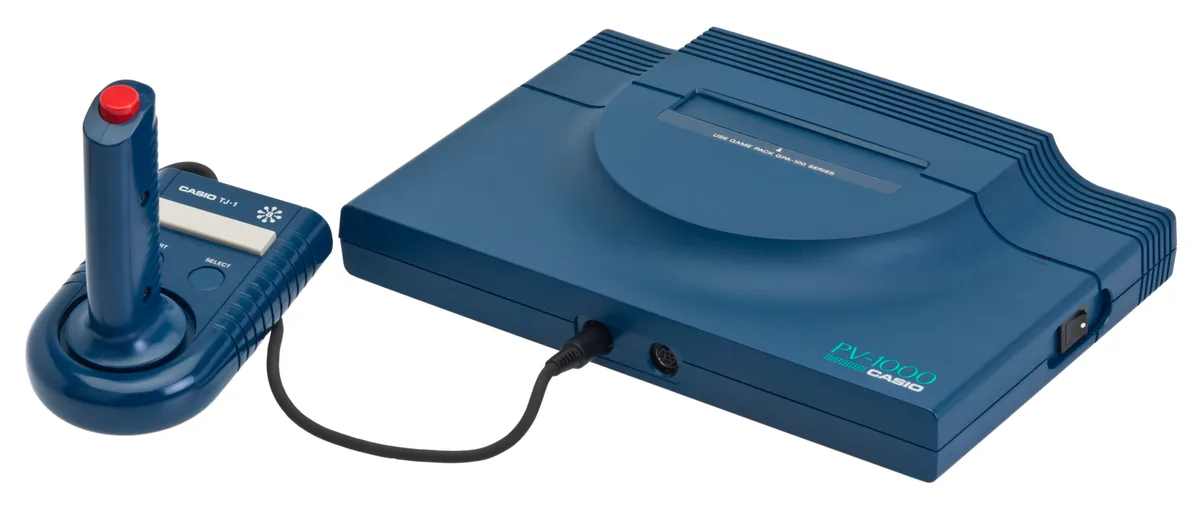
Retro gaming, also known as classic gaming and old school gaming, is the playing and collecting of personal computers, consoles, and games from earlier decades. It usually centers on systems that are outmoded or discontinued. The good news is that old games have never been easier to reach.
Why Old Games Still Pull Players In
Players give a few steady reasons. Nostalgia leads the list, but it is not alone. Many players feel older games were more innovative and original. Others point to simplicity: a classic game can often be understood in seconds.
Simple does not mean shallow. Older games often asked players to master one core idea, and they rewarded practice rather than purchases. There are less personal motives too. Some players treat the hobby as preservation, keeping old software and hardware alive. Others chase authenticity, the feel of the original machine. Each reason suggests a different way to start.
Start on Hardware You Already Own
The cheapest entry is usually the one already in your home. Ported retro gaming lets old games run on modern hardware through ports, emulations, or compilations. Many current consoles and phones can play decades of back-catalog this way.
Compilations are a gentle first step. One purchase can hold dozens of classics, often with save states and display options the originals never had. Ports bring a single beloved title to a current system. Emulation covers the widest range, though it rewards a little patience with setup.
This route also saves shelf space. A single modern device can stand in for a closet full of old machines. For families with limited room, that alone can settle the question.
Choose Your Era, Not a Shopping List
Newcomers often try to buy "the classics" all at once. A better first move is to pick an era or a genre that genuinely interests you. If you grew up with one console, start there. If you missed that period entirely, start with the games that still get talked about today. For related coverage, see How to Choose Your Family's First Game Console: Switch vs. Xbox vs. PlayStation.
Genres age at different speeds. Puzzle and racing games often stay easy to enjoy. Some early genres reward patience, and it is fine to skip them at first. Budget a small amount for your first month, and treat it as tuition. You will learn what you like faster by playing than by reading lists.
If You Buy Old Hardware, Buy Slowly
Original hardware has real charm, and real risks. Old machines age, and condition varies wildly from unit to unit. Check that a console powers on, reads its media, and comes with the cables you need before you commit. Ask sellers direct questions and prefer clear photos over stock images.
Sets help too. A console with its cables and one or two games is a better buy than a bare machine, even if it costs a little more up front.
Prices also swing with attention. A game that is "rare" this month may be ordinary next year, and re-releases appear without warning. Waiting is a budget tool, and a perfectly fair one.
None of this needs to happen in a weekend. The back-catalog is not going anywhere, and slow starts are the norm, not the exception.
Conclusion
Retro gaming rewards curiosity more than cash. Start with ports, compilations, or emulation on equipment you already own. Pick an era that means something to you, and add original hardware only when you know exactly why you want it. The hobby has lasted decades because the games still work. The point is play, not paperwork. Start small this week, and let the collection grow one good game at a time. We covered a connected angle in Games Workshop Explained: What Warhammer Newcomers Need to Know.