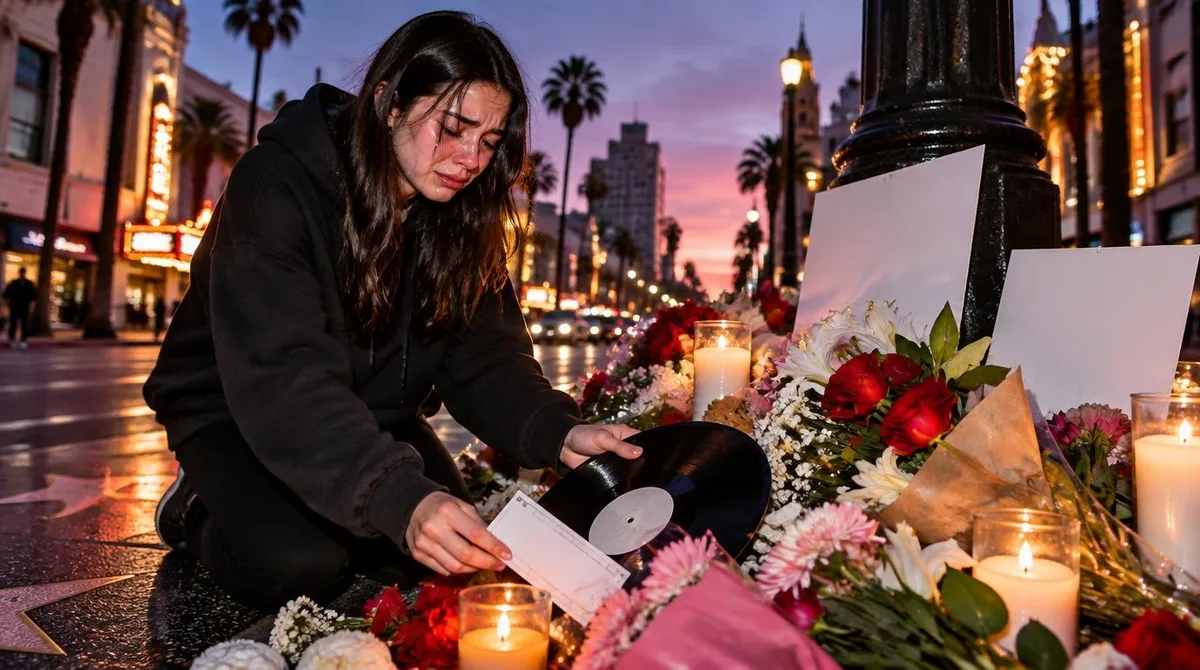
Yes, the grief is real, and psychology has a name for it. One-sided bonds with stars are called parasocial relationships. Researchers Donald Horton and Richard Wohl coined the term in 1956. Studies since then find that losing such a bond can hurt like losing a friend, only milder.
That matters when a beloved star or character exits, because kids and parents alike can mourn someone they never met. The research treats the sadness as normal. Knowing how these bonds work makes the goodbye easier to share. For related coverage, see ESRB vs. MPA: How Game and Movie Age Ratings Actually Work.
What Exactly Is a Parasocial Relationship?
It is a bond that runs one way. Per Wikipedia's research overview, audiences react to hosts, actors, characters, and online creators as if the tie ran both ways. Horton and Wohl coined the term in 1956 while studying TV hosts who felt like familiar neighbors. The fan knows the star, and the star does not know the fan. See Wikipedia's parasocial interaction entry for the full research timeline.
Regular viewing does the rest. Wikipedia's summary notes that steady, positive exposure builds trust the way sharing does between friends. Loyal viewers read a star's voice, gestures, and habits the way they would read a close companion. Social media keeps the feeling alive with constant, casual updates.
Why Does the Loss Feel Like Losing a Friend?
Researchers call the end of such a bond a parasocial breakup, and a performer's death counts. Per Wikipedia's summary, researchers Eyal and Cohen studied fan reactions when the sitcom Friends went off the air. They defined the breakup as a moment when a character a viewer loved leaves the screen. We covered a connected angle in Spider-Man: Brand New Day Trailer Unveiled After 24-Hour Fan Countdown.
The hurt follows a familiar shape. Wikipedia's overview reports that the pattern looked much like grief after a real loss, though weaker. Stronger bonds bring stronger reactions, per Cohen's findings cited there. People under 20 felt the hardest symptoms. So did fans who leaned on media mostly for company.
Time helps too. The same overview frames this sadness as a normal, passing response rather than a problem to fix, which is useful to remember when a favorite show ends or a beloved actor dies.
Why Do Kids Grieve a Favorite Character So Deeply?
Children form these bonds early. Wikipedia's summary notes that kids and teens grow parasocial ties at a young age. It also credits psychologist Sandra L. Calvert with the view that long-term studies of those effects are still new. A weekly character can feel like a playmate, so a finale or a recast lands hard.
Fiction runs deeper than fame. Per Wikipedia's summary, a story that feels real and close can make a character bond stronger than a bond with a real star. That means tears at a finale are a normal answer to a story that did its job. Listening helps. So does rewatching favorite scenes and naming what the character meant.
When Did Fans Bond This Strongly Before Television?
Fandom ran hot long before TV. Wikipedia's celebrity history records a huge fan frenzy called Lisztomania that began in 1841. It credits that devotion as the basis for how music fans act today. More of that story lives in Wikipedia's entry on celebrity.
Movie fame was distant at first, and on purpose. Per Wikipedia's entry, film scholar Paul McDonald notes that studios hid performers' names in the early 1900s. They feared fame would make actors demand more money. TV hosts later invited viewers in daily, and Horton and Wohl described that closeness in 1956.
Conclusion: Real Feelings for a Face on the Screen
Parasocial bonds carry real feelings down a one-way street. The research, from Horton and Wohl in 1956 to the breakup studies after Friends, treats the sadness as normal. It is usually milder than a personal loss, and it fades with time. When a favorite star says goodbye, mourning together simply proves the bond worked.