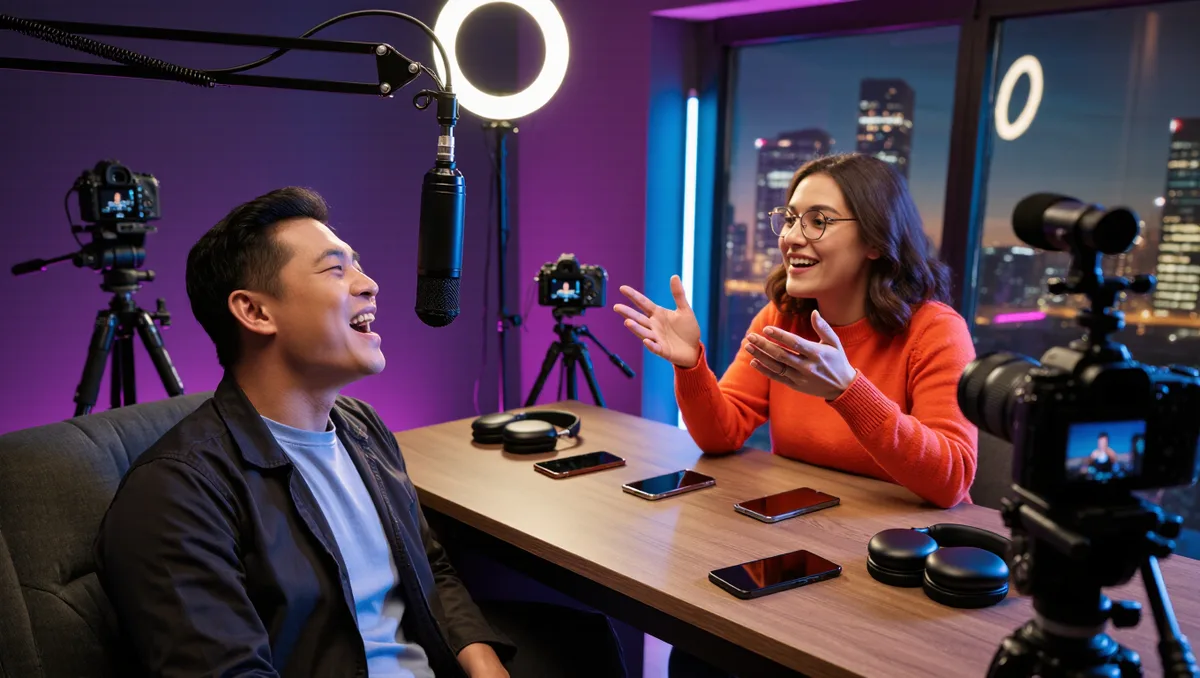
For decades, one venue made a celebrity feel real: the late-night couch. A host, a desk, a monologue, seven minutes. That monopoly is gone. Today the star-making interview happens on a YouTube show, a video podcast, or a streaming platform, where the conversation runs an hour or more and the guest eats a hot dog instead of sipping from a mug. The shift matters to families too, because these long interviews are now some of the most-watched video on the internet, sitting right beside the shows and films your household already streams.
What changed is simple: the audience moved, and the interviews followed. Viewers got used to choosing what to watch and when, on services that carry everything from a two-minute clip to a three-hour conversation. According to PCMag, streaming services keep growing larger and more numerous as more people cut the cord, which means more room for formats that never fit broadcast television. A long, unscripted celebrity interview is exactly that kind of format.
Why did the late-night couch stop being the main stage?
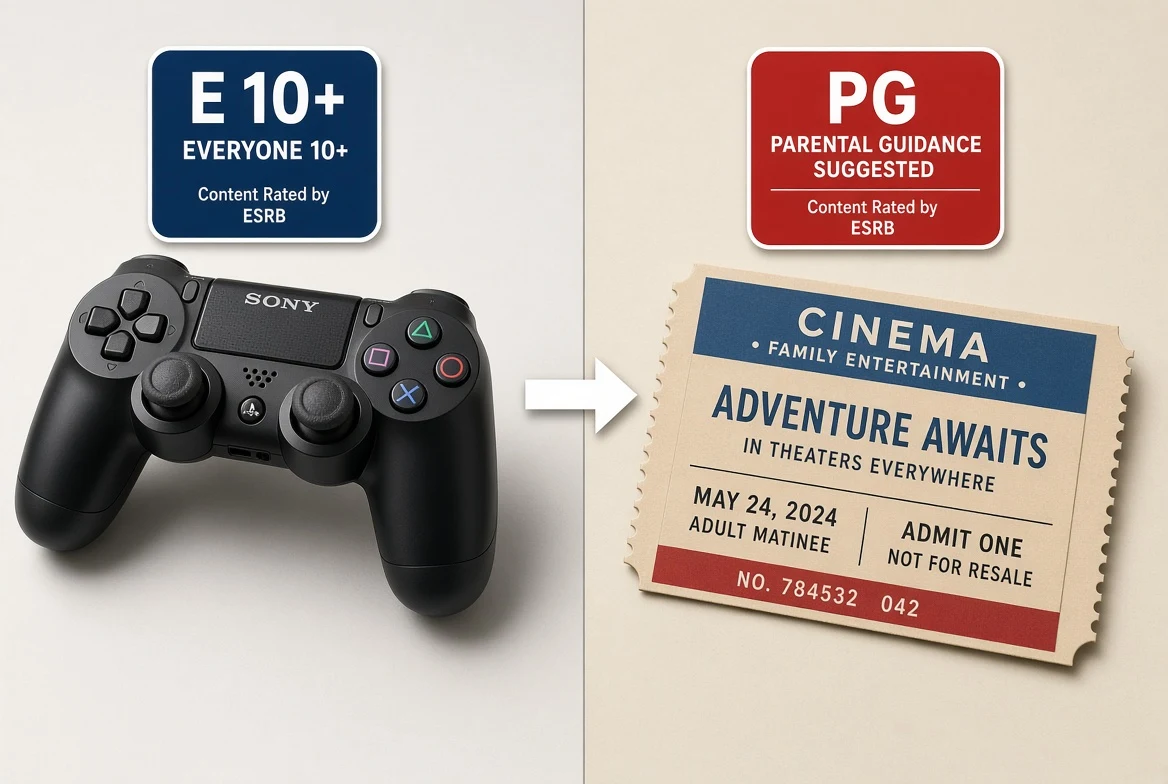
The couch format was built around a broadcast schedule. A star had a movie opening Friday, so they appeared Thursday night, told a rehearsed story, and left. The interview existed to sell something in a narrow window. It worked because there was no alternative. This connects to our earlier piece, ESRB vs. MPA: How Game and Movie Age Ratings Actually Work.
Streaming broke that logic. A new project no longer lives or dies by one week of ticket sales, and its stars no longer need one night of national television to reach people. As JustWatch notes in its guide to finding movies online, major films now make their way to streaming services after release, so a cast spends months promoting a title that viewers can discover at any time. An interview that stays online forever serves that longer life better than a single broadcast ever could.
The couch still exists. It just stopped being the only door into a star's personality.
What makes a long-form interview different?
Time is the whole difference. A seven-minute segment rewards polished anecdotes. A two-hour conversation rewards something else entirely: comfort. Guests get bored, drop their guard, and say things no publicist scripted. The format trades control for texture.
Food helped, oddly enough. Interview shows built around a shared meal, from chicken-wing challenges to casual diner food, gave guests something to do with their hands and gave viewers a reason to relax. Eating on camera reads as unguarded, and unguarded is what audiences came for. The gimmick is not the point; the running time and the low stakes are.
Audio podcasts pushed the same trend before video caught up. Once shows began filming their podcast sessions, the gap between "podcast" and "TV interview" mostly closed.
What this means for how stars are made
Our analysis: the star-making pipeline now runs through these shows in a way it never did before. A guest who is funny for two hours builds a following that outlasts whatever they were promoting. Clips cut from long interviews spread on their own, so a single appearance can produce weeks of smaller moments. The old system made a star once per project. The new one can make one per conversation.
It also changes who gets a turn. Booking a late-night slot required a studio campaign behind you. Booking a popular interview show requires being interesting to talk to. That is a lower, stranger, more open gate.
What should parents know about these shows?
Long-form celebrity interviews are usually calmer than the red-carpet and gossip content they replaced, but they are not made for children. Language runs loose, adult topics come up without warning, and runtimes can stretch past two hours. Treat them the way you would any unrated online video: preview first, or watch together. If your family watches YouTube, our checklist for age-appropriate channels offers a practical screening process before anyone hits play. For how official ratings work across games and movies, the ratings boards explain more in our guide to how game and movie age ratings actually work. Readers following this should also see How to Spot Age-Appropriate YouTube Channels for Kids: A Parent's Screening Checklist.
One more practical note: much of this interview content lives on free, ad-supported platforms alongside subscription services. That is convenient, but it is worth knowing which services your household pays for and which run on ads, since the free ones carry more unpredictable recommendations.
Where is the celebrity interview headed next?
The direction is more length, not less. As streaming libraries compete on originals and personality-driven programming, expect more shows built around a single host and a single guest, filmed cheaply and released constantly. The desk-and-mug interview will survive as a promotional stop. But the conversation that makes you feel like you actually know a star will keep happening somewhere slower, longer, and on demand.
What the evidence shows is a shift in where attention lives, not the death of anything. The couch lost its monopoly; the hot dog won the audience.