Topic
How to Develop Film at Home: A Beginner's Guide
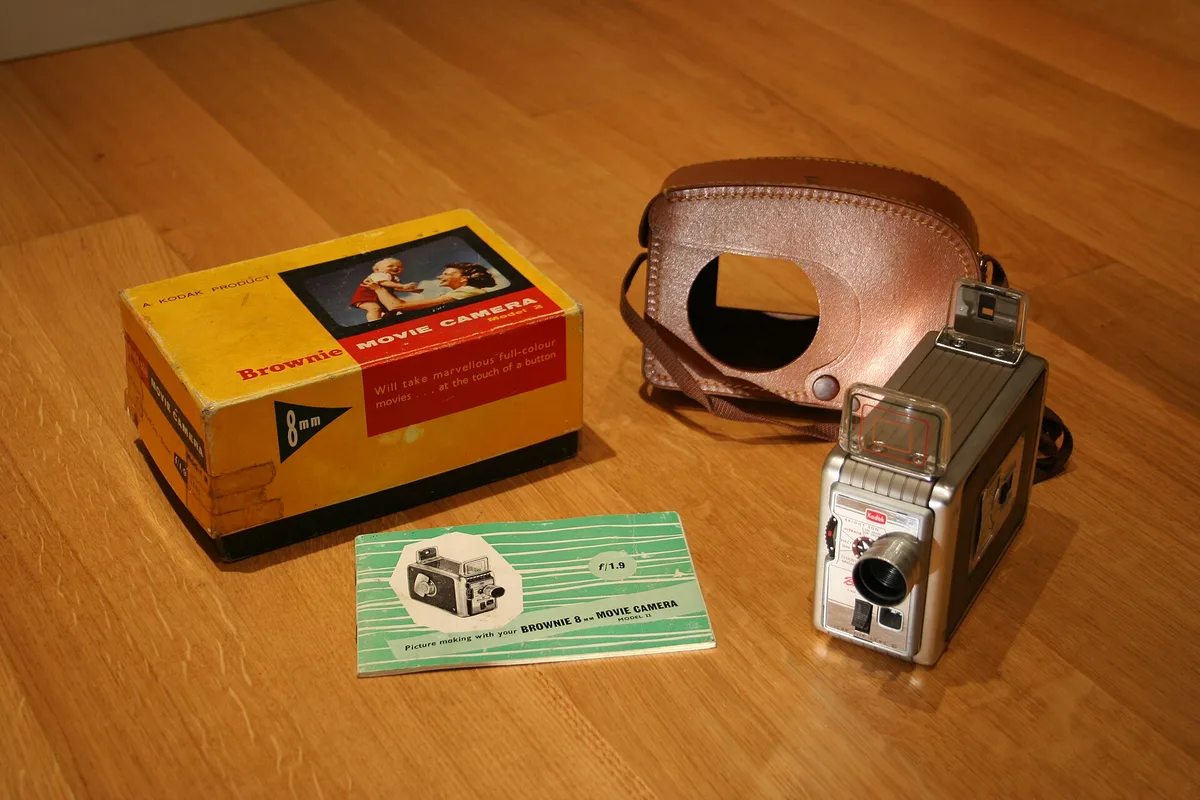
Home film developing needs only a changing bag, a tank, and three chemicals for black-and-white rolls, while color still goes to a lab.
Home film developing needs only a changing bag, a tank, and three chemicals for black-and-white rolls, while color still goes to a lab.
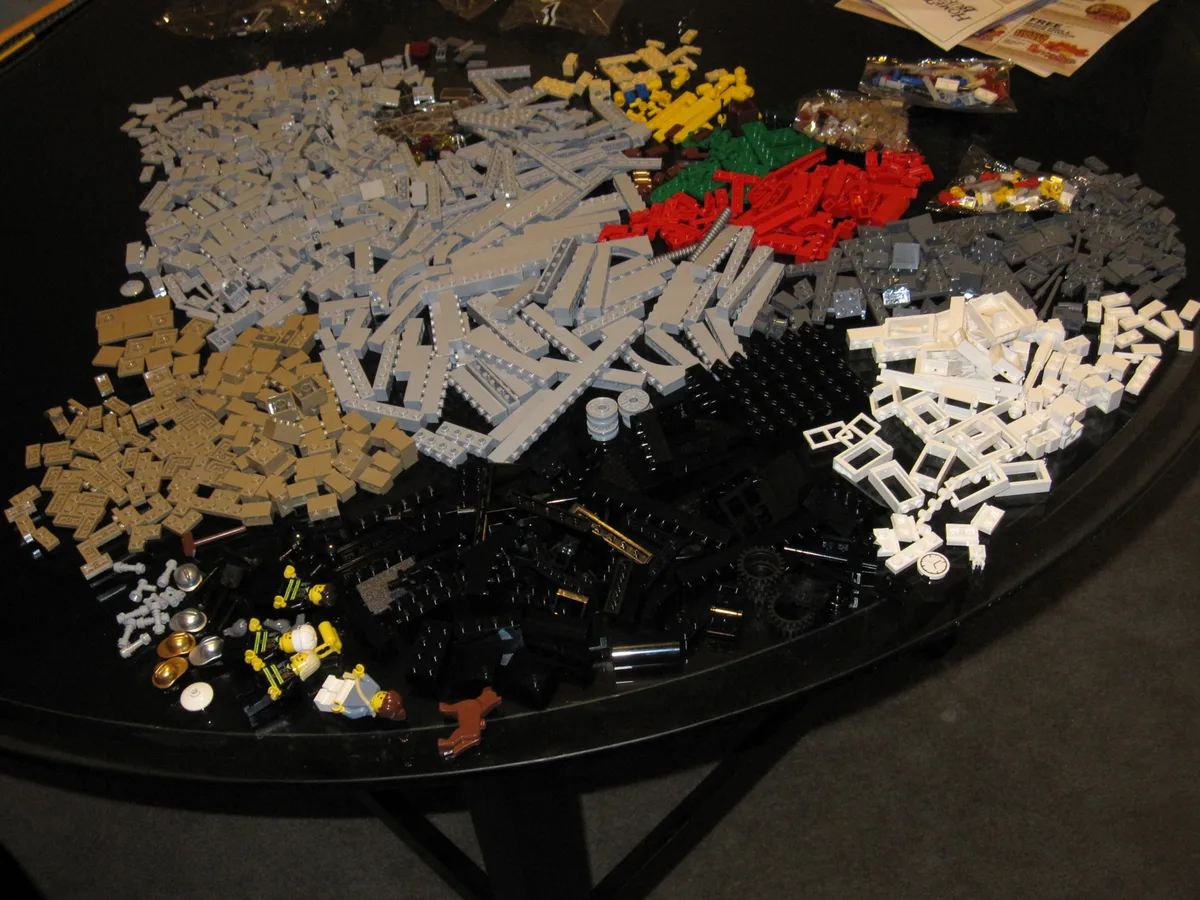
Adults have become a core Lego audience, with 18+ sets, film tie-ins, and lockdown habits all playing a part. Here is why grown-ups are building again.

Plan a family picnic that runs smoothly: pick the right spot, pack simple sturdy food, time the day around kids and keep backup plans ready.
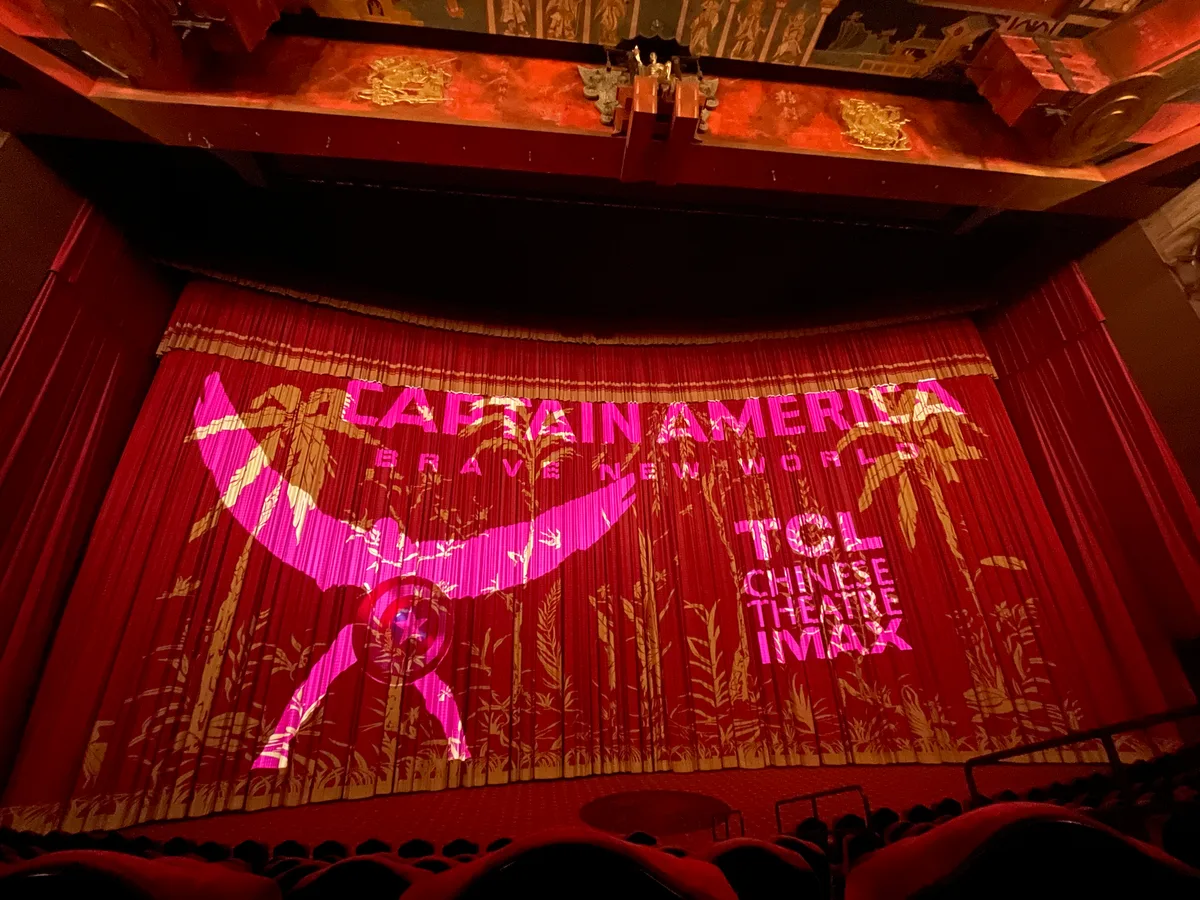
A plain-English primer on the Marvel Cinematic Universe, and a sensible way to catch up without a spreadsheet.

How fan devotion grew from mimeographed zines and stamped envelopes into the biggest social spaces on the internet.
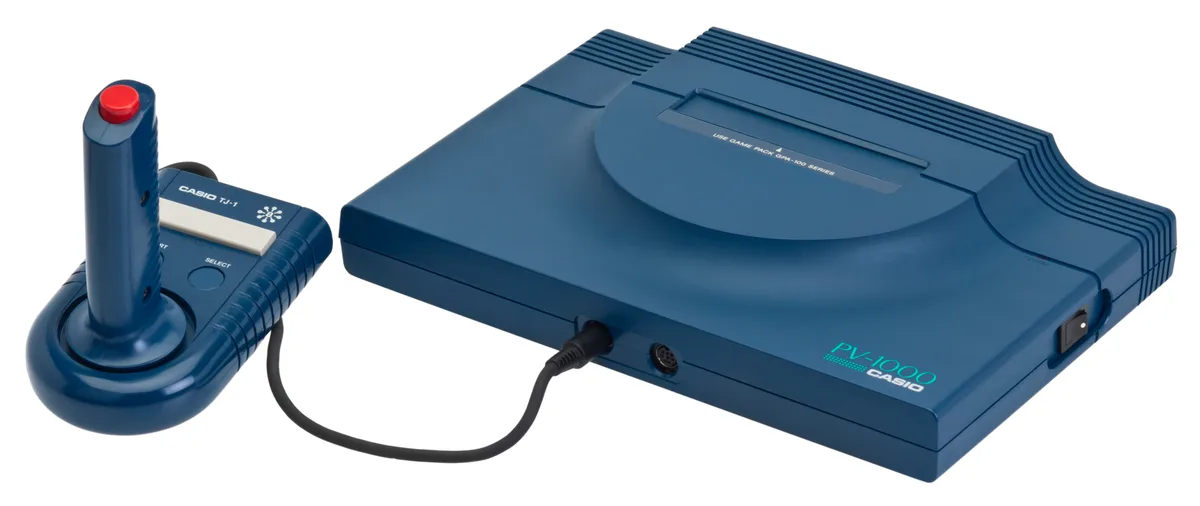
Retro gaming does not require rare cartridges or collector prices. Ports, compilations, and emulation let new players start on the hardware they already own.
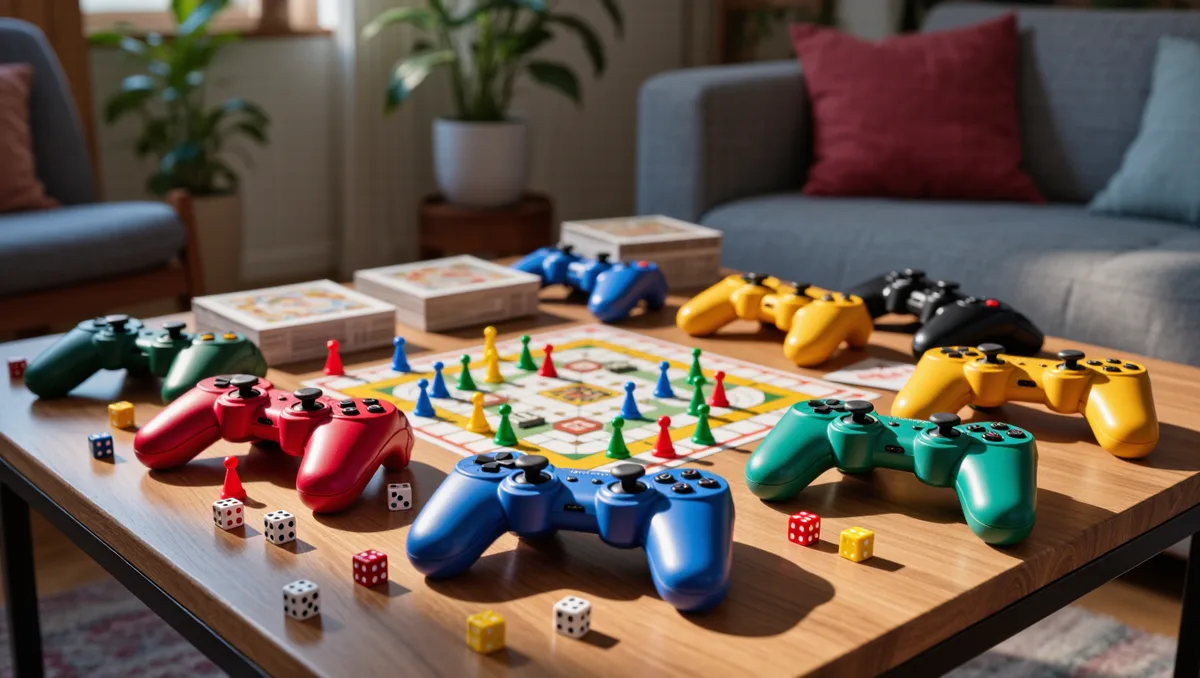
From the first dial to vibrating haptic pads, see how video game controllers evolved through D-pads, analog sticks, motion and touch.
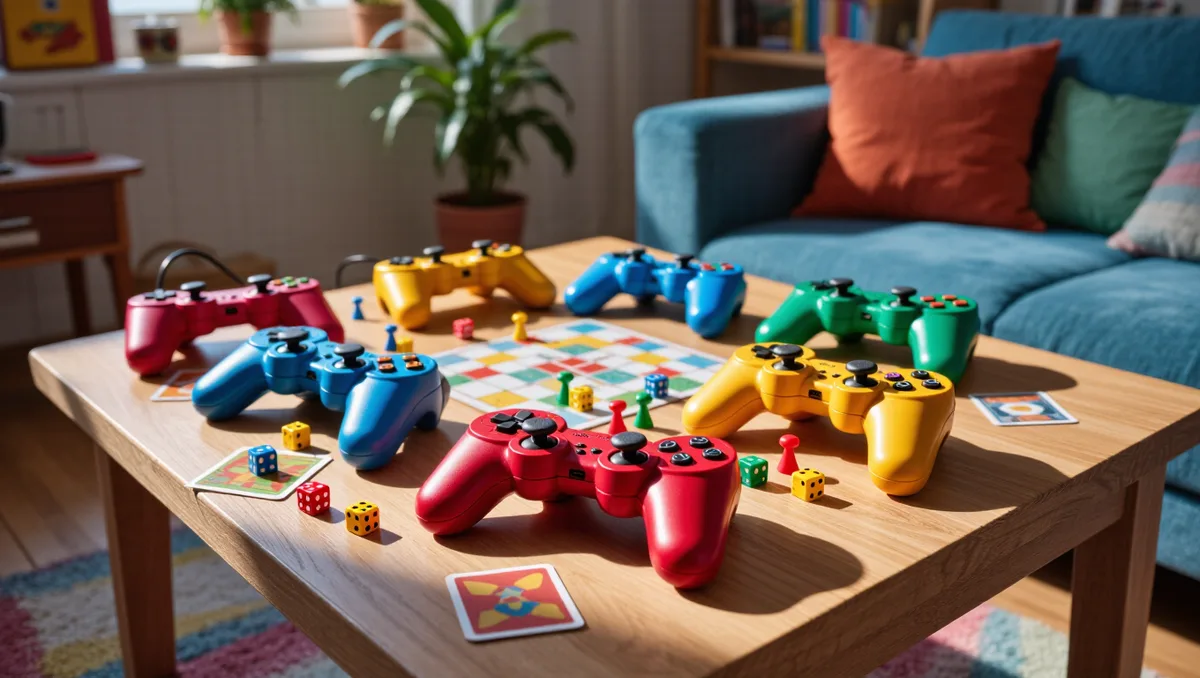
Why board games beat screens on rainy weekends and how to build a family shelf with luck, skill and trading games for every mood.
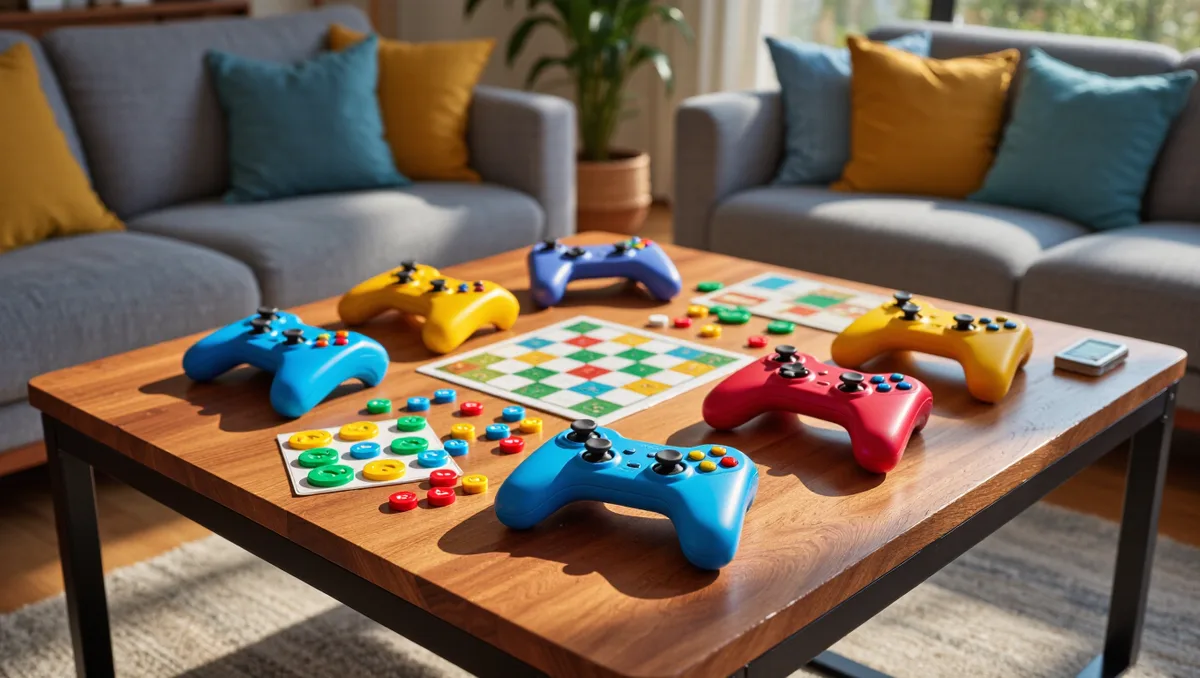
How to choose the best family video games for multiplayer nights: co-op modes, couch play, age ratings and matching the game to your group.
Vinyl records, film cameras and paper journals are back — not as gadgets, but as a slower way to spend an evening.