The reunions people actually attend are planned around one fixed date, one shared job list, and one place everyone can reach. Set the date a year ahead, book the location first, and give every branch of the family a job before the invitations go out, the way established family associations do it.
A reunion works like any family routine, only bigger. Per HealthyChildren.org, the American Academy of Pediatrics' site for parents, guidance published June 28, 2024 puts it plainly: children do best when routines are regular, predictable and consistent. A gathering built on those three traits stops feeling like a chore and starts feeling like a tradition. Readers following this should also see How to Plan a Family Picnic That Doesn't Fall Apart: Food, Timing and Backup Plans.
How Far Ahead Should a Family Set the Date?
Earlier than feels necessary. Per Wikipedia, reunions are often held regularly, on the same date every year, which is why a fixed weekend wins: relatives can guard the date before work and school fill it. The tradition runs deep too, per Wikipedia's example of a 1988 Swedish-American reunion for descendants of an ancestor born in 1776.
- Pick the date one year out, and prefer the same weekend each time so the reunion becomes routine.
- Book the venue before any announcement, because a date without a place quietly falls apart.
- Set the budget next, with a per-family target and a cheaper tier for students and new parents.
- Send save-the-dates right away, then full invitations with food and lodging details months later.
Each step protects the one resource a reunion cannot replace, which is advance notice.
How Do You Pick a Spot Everyone Can Actually Reach?
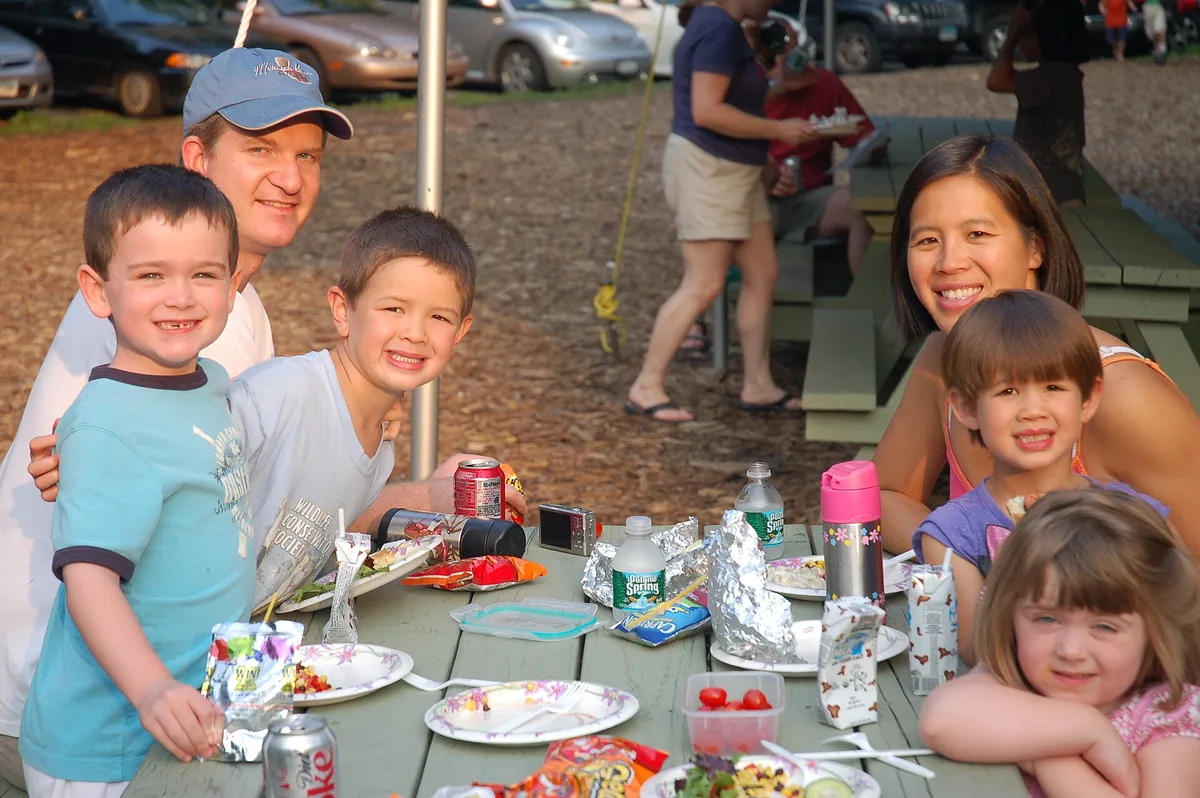
Draw a map before falling in love with a location. Put a pin where most relatives cluster, then look for spots within a one-day drive of it. An airport option keeps far-flung cousins in play. Wikipedia describes a typical reunion as assembling for a meal, some recreation and discussion. That shortlist needs a kitchen or a caterer, open space for games, and room for the conversations that are the whole point. We covered a connected angle in Minecraft for New Families: What to Know Before the First World.
Grandparents and toddlers share a checklist, oddly enough. Look for level walkways, short distances between the meal area and the restrooms, and shade or indoor space for the hottest hour of the day. A venue that works for the oldest and youngest guests works for everyone in between.
What Jobs Keep a Reunion on Track?
Long-running family associations hold the secret, per Wikipedia: regular reunions are often run by organizations centered on a common ancestor or a shared surname, and the structure is the point. A reunion with named jobs runs itself, so hand out roles that match talents.
- A food lead collects counts, allergies, and the potluck list.
- A games lead plans the all-ages afternoon, from lawn bowling to a scavenger hunt.
- A history lead gathers photos and runs the memory table everyone gravitates toward.
- A greetings lead tracks RSVPs and welcomes arrivals by name.
Four job titles, four people, and no single exhausted host by Saturday night.
How Do You Keep Every Age Group Happy?
Build the schedule around the shared meal, because that is the anchor every generation can count on. HealthyChildren.org advises that family members eat together at the dinner table without the distraction of electronic devices, and a reunion dinner is the same idea at scale. Add a short program after dessert, then let the hours stay open.
Choice keeps the middle generations engaged, and structure keeps the day predictable for the youngest guests. The AAP describes the ideal routine as a happy compromise between chaos and a structure so rigid it offers no flexibility, per the guidance published June 28, 2024, and the same balance shapes a reunion day. Music earns a spot too, since the AAP calls music a natural mood lifter. A playlist drawn from the family's favorite decades costs nothing and fills every quiet stretch.
Conclusion: Traditions Outdraw Perfect Menus
Reunions people actually attend share a skeleton: one fixed date protected a year ahead, one reachable spot with food and open space, named jobs for every branch, and a day built around a shared meal with room to breathe. None of it requires a big budget, and every piece works at a first reunion or a fiftieth.
Start with the calendar this week. The families who gather every year are not luckier than everyone else; they picked the date, booked the place, and handed out the jobs.