Screen time rules stick when they are few, concrete, and tied to the day's rhythm rather than to a minute count. Pediatric experts back that shape of plan. The American Academy of Pediatrics' family media plan guide, updated in January 2026, tells families to create media rules that fit their own routines and values, then discuss them with the kids.
This guide lays out a working system: zones and daily anchors instead of stopwatch limits, activity swaps that keep the calendar full, and rules each child helps write. The facts here come from the American Academy of Pediatrics and Wikipedia's research overview on screen time.
Why Do Minute Limits Keep Failing?
Wikipedia defines screen time as hours spent on devices with display screens, from smartphones to consoles, and notes that research treats it as a factor whose effects depend on levels and content of exposure. That mix explains the loophole in a raw number. Forty minutes of a video call and forty minutes of autoplay video do not feel alike, and children notice before parents finish typing the timer.
Anchors hold up better than tallies. A rule keyed to a moment, such as screens off at dinner or homework before games, can be checked at a glance, and nobody needs a spreadsheet. The Academy's 2026 guide puts routine first for the same reason: a plan that fits the household's shape gets used. This connects to our earlier piece, Minecraft for New Families: What to Know Before the First World.
Which Rules Do Pediatric Experts Suggest First?
The Academy's guide offers starter rules with reasons attached. It suggests screen-free zones at the dinner table, during homework, and before bed, to strengthen face-to-face connection, promote learning, and improve sleep. It proposes a "one screen at a time" rule, with devices not in use turned off to cut distractions.
The guide also targets the machinery of endless viewing. Turn off autoplay and notifications, it says, because those features exist to keep kids engaged longer. Choose apps and shows that teach, spark creativity, and encourage social connection. Check privacy settings before new apps arrive, and talk about ads and influencer marketing so children learn what is real and what is designed to sell, per the January 2026 page.
How Does a Family Write Rules Kids Will Follow?
A rule a child helped write is a rule a child can explain, so the drafting session matters as much as the final list. A pediatric-written guide on family routines notes that children do best when routines are regular, predictable, and consistent, with room for flexibility rather than a rigid structure.
- Hold a short family meeting, and draft the rules together.
- Write each rule as an anchor: screens sleep in the kitchen, homework first, dinner is a no-phone table for everyone.
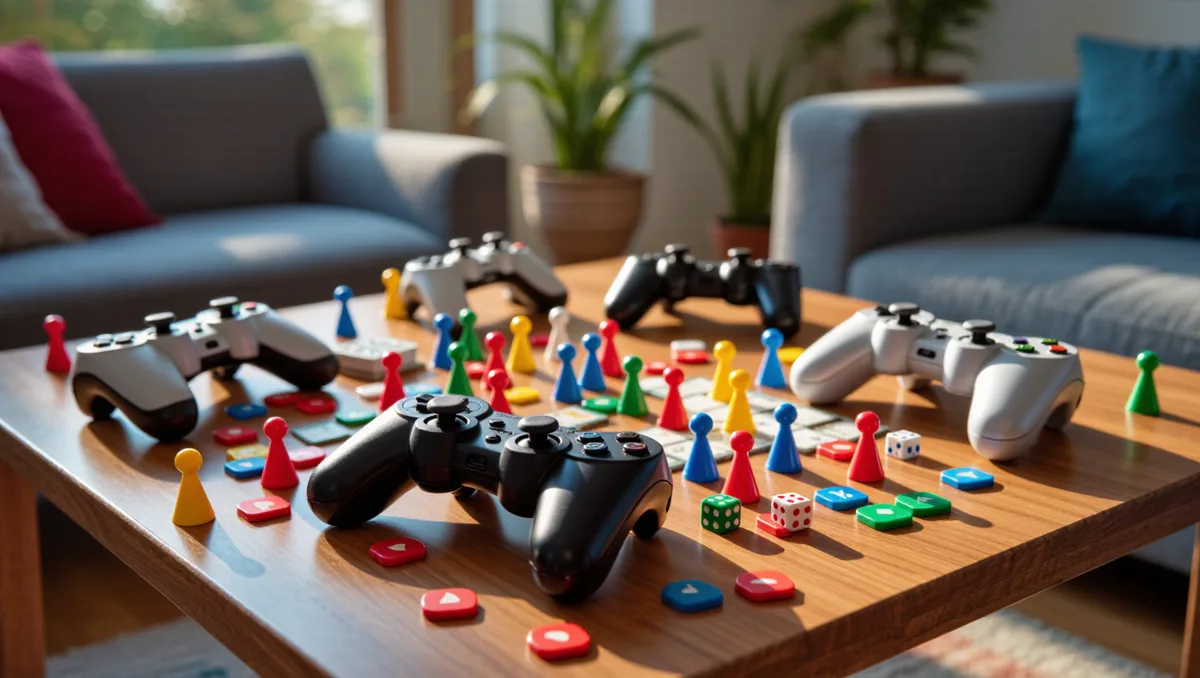
- Add swaps from the Academy's list, like reading, outdoor play, family games, and hobbies.
- Post the plan where the whole household can see it.
- Review the list each season, and retire rules that stopped making sense.
What About School Nights, Weekends, and Grown-Ups?
Different days can carry different rules, and the plan should say so out loud. Weekend mornings may run loose while school nights hold the anchors, and a travel day gets its own clause. The adults belong under the plan too: a no-phone dinner table works only when every chair at it follows the same rule.
Breadth matters as well. Wikipedia notes that TV and video games once made up the largest share of children's screen time, and that the past decade shifted the balance toward smartphones and tablets. A family plan that names every screen, not just the television in the living room, ages better.
Conclusion: A Plan the Household Can Actually Keep
The rules that survive are the ones a family can see, say, and share: zones at the table and bedtime, anchors around homework and sleep, autoplay switched off, and swaps ready when the tablet goes dark. Pediatric guidance and routine research agree on the frame. Build the plan around the household's real day, let the kids hold the pen, and the screen time rules will outlast the battery. For related coverage, see Screen Time Guidelines for Kids: What the AAP Says.