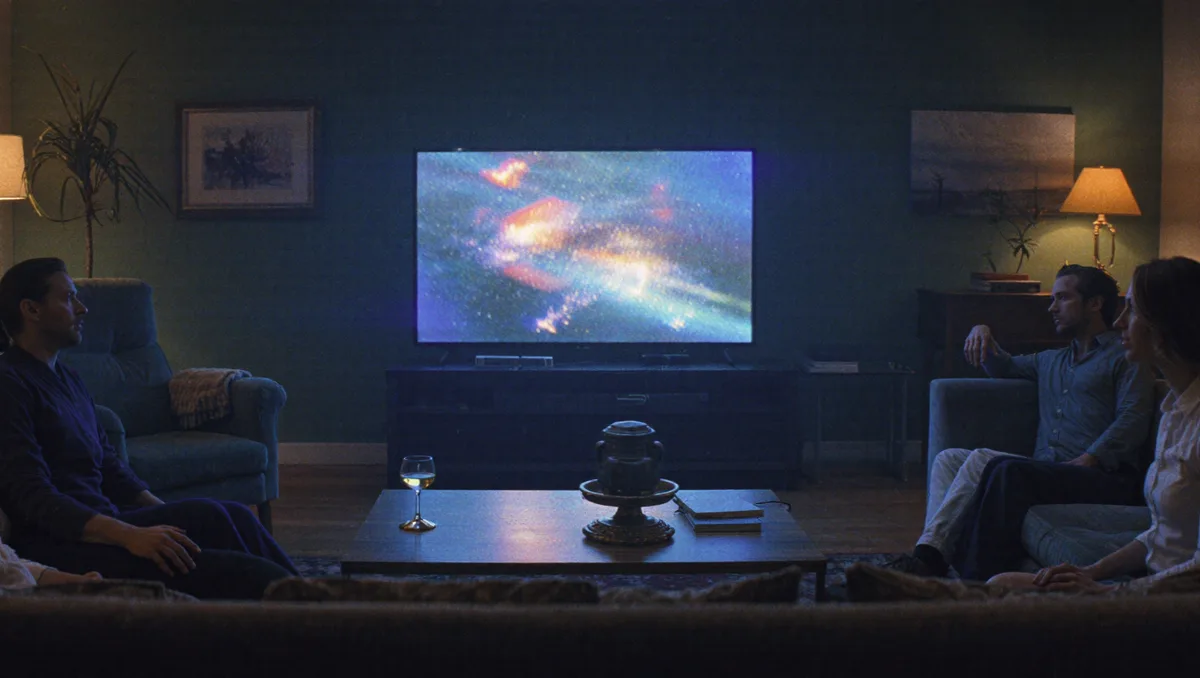
The best movie plot twists do two things at once. They surprise you in the moment, and then they send you scrambling back through everything you just watched. A twist that only shocks is a firework. A twist that rewrites the story is the reason people rewatch films and drag friends along to see their reaction.
So why do some twists stick with us for decades while others land with a thud? The answer is less about the secret itself and more about how the film earns it. Great twists are built from planted details, honest misdirection, and a payoff that makes the earlier scenes mean something new. Here's how that machinery works, with examples kept spoiler-safe so you can read the whole thing before family movie night.
It's worth pausing on the word itself. According to US Dictionary, "why" works as an interjection that expresses surprise or disbelief — think "Why, I never thought you'd ask!" — and as a noun meaning the reason behind something. A good plot twist triggers both senses at once: the gasp of surprise, and the hunt for the reason.
What actually happens in your head during a twist?
When you watch a movie, your brain is constantly guessing what happens next. Psychologists call this prediction, and it's automatic. You build a working model of the story from every scene, every line, every glance. A twist works by giving you information that breaks that model — and then hands you the pieces to build a better one.
That second step is the important one. If the new information just breaks the model and leaves the rubble there, you feel cheated. If the film shows how the new information fits the old scenes, you feel the click. That click — surprise followed by sense — is the pleasure of a twist. It's the same satisfaction as solving a riddle, except the movie solved it for you and let you feel like you almost did.
This is also why twists reward rewatching. The second viewing is a different experience entirely. You're no longer asking what happens. You're checking whether the film played fair. If it did, the rewatch deepens the story. If it didn't, the twist collapses on contact.
What separates a fair twist from a cheat?
Fair-play twists follow one rule: everything you needed to know was on screen. The film showed you the clue, then steered your attention somewhere else. That steering is misdirection, and it's a craft skill, not a trick. Writers and directors misdirect with framing, editing rhythm, a comic relief line placed at exactly the wrong moment, or a character whose role seems obvious.
A cheat works differently. It hides the ball. The reveal depends on information the film never showed you, or it contradicts something you already saw. You can usually spot the difference with one question: on a rewatch, do the earlier scenes still make sense? If the answer is yes — better yet, if they make more sense — the twist was fair. If the earlier scenes only worked because you didn't know the secret, the film broke its own promise.
Our analysis: audiences forgive a lot, but they rarely forgive a broken promise. That's why twist-heavy films live or die on their second viewing reputation. Word of mouth often says less about the surprise itself and more about whether the surprise holds up under scrutiny.
Why do the best twists rewire the whole film?
The strongest twists are retroactive. They don't add a new chapter; they change the meaning of the chapters you already read. A line that seemed like small talk becomes a confession. A character who seemed minor becomes the whole point. A scene you barely noticed becomes the most important scene in the movie.
Film noir built an entire tradition on this. The genre runs on unreliable narrators, hidden motives, and reveals that recast everyone on screen. If that sounds like your kind of story, our explainer on What Film Noir Really Means: The Shadows Behind the Style digs into how those shadowy storytelling rules took shape.
Retwisting also explains the emotional punch. A twist that changes plot is interesting. A twist that changes motivation is powerful, because it changes how you feel about characters you had already made judgments about. The gasp comes from the plot. The ache comes from realizing you misjudged someone — and the film gently shows you why your judgment was reasonable anyway.
How do filmmakers plant clues without giving the game away?
The planting is a balancing act, and it usually comes down to a few repeatable techniques:
- Hide clues in plain sight. The detail appears in a busy scene, a background element, or a line delivered casually. You registered it, but you didn't flag it.
- Give the clue a different job. The planted detail also does emotional work — it's funny, sad, or tense — so your attention goes to the feeling, not the fact.
- Repeat with variation. The key information appears more than once, slightly changed each time, so it reads as texture rather than signal.
- Redirect at the reveal. Right before the twist, the film gives you a plausible alternate explanation. You predict the wrong thing confidently, and the real reveal lands harder.
None of these techniques require hiding anything. They require knowing exactly where the audience will look, and putting the truth just off that line of sight. That's direction and editing as much as writing — the same shot-by-shot craft we cover in How to Read a Film: Shots, Cuts, and Camera Moves.
What this means for choosing family movie nights
Twist films can be wonderful shared experiences, with one practical caveat: the younger viewer in the row next to you has less story-pattern experience to guess from. That cuts both ways. Kids are often genuinely floored by twists adults saw coming a mile off — and they're also more likely to find a dark reveal upsetting rather than thrilling. Checking the official rating and content descriptors before you press play is the reliable move, and our guide to Scary Scenes in Kids' Movies covers how to spot tone warnings ahead of time.
There's also a sweet spot for introducing twist-driven classics. Films built around famous reveals belong to a conversation everyone eventually joins, and watching them with your kids before schoolyard spoilers get there first is a genuine small pleasure. Our Classic Films to Introduce to Kids: An Age-by-Age Guide suggests where to start. And if your household likes the guessing game itself, try making predictions out loud mid-movie — it turns twist-watching into a parlor game, and it sharpens exactly the prediction machinery we talked about above.
The takeaway: a twist is a promise, kept twice
Great plot twists work because they honor two promises. The first is the obvious one: the film surprises you. The second is quieter: the film shows you that the surprise was there all along, hiding in plain sight. Surprise without sense is a stunt. Sense without surprise is a slow news day. The twists people quote for decades deliver both, in that order, in about ninety seconds.
So the next time a movie gets you, resist the urge to immediately look up the ending online. Rewatch instead. Watch for the planted details, the misdirection, the moment your model of the story broke — and then rebuilt itself into something better. That's the craft. And once you've seen it work once, you'll spot it everywhere.