Film noir is a style of dark, stylish crime storytelling that took shape in American movies of the 1940s and 1950s. The phrase is French for "black film," and it fits: shadowy photography, tangled plots, and heroes who are never quite heroes. It is less a strict category than a mood, one built on moral uncertainty as much as on dramatic lighting.
Why should a family entertainment site care? Because noir is the DNA behind a huge share of what households watch now, from animated mysteries to superhero stories with a cynical streak. Understanding the style makes old classics easier to introduce to kids and new releases easier to talk about at the dinner table. It is also simply one of the most influential movements in the medium's history, and the medium itself, as Wikipedia's overview of film notes, is a visual art form whose images communicate across languages and cultures with little need for translation.
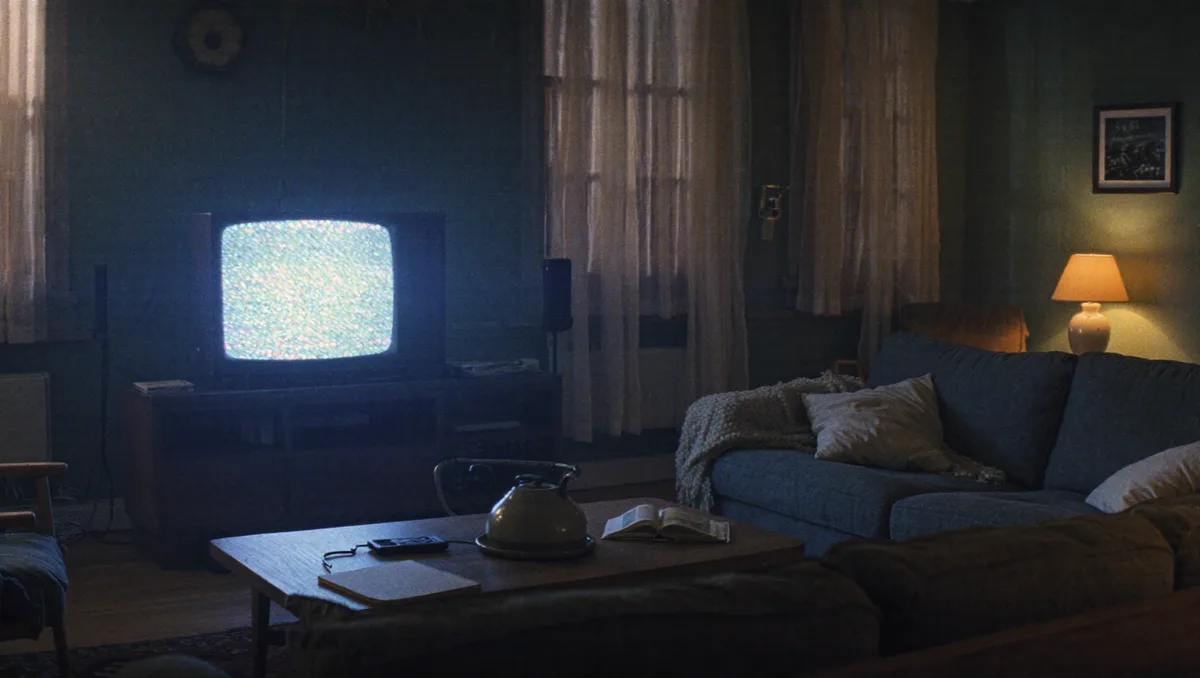
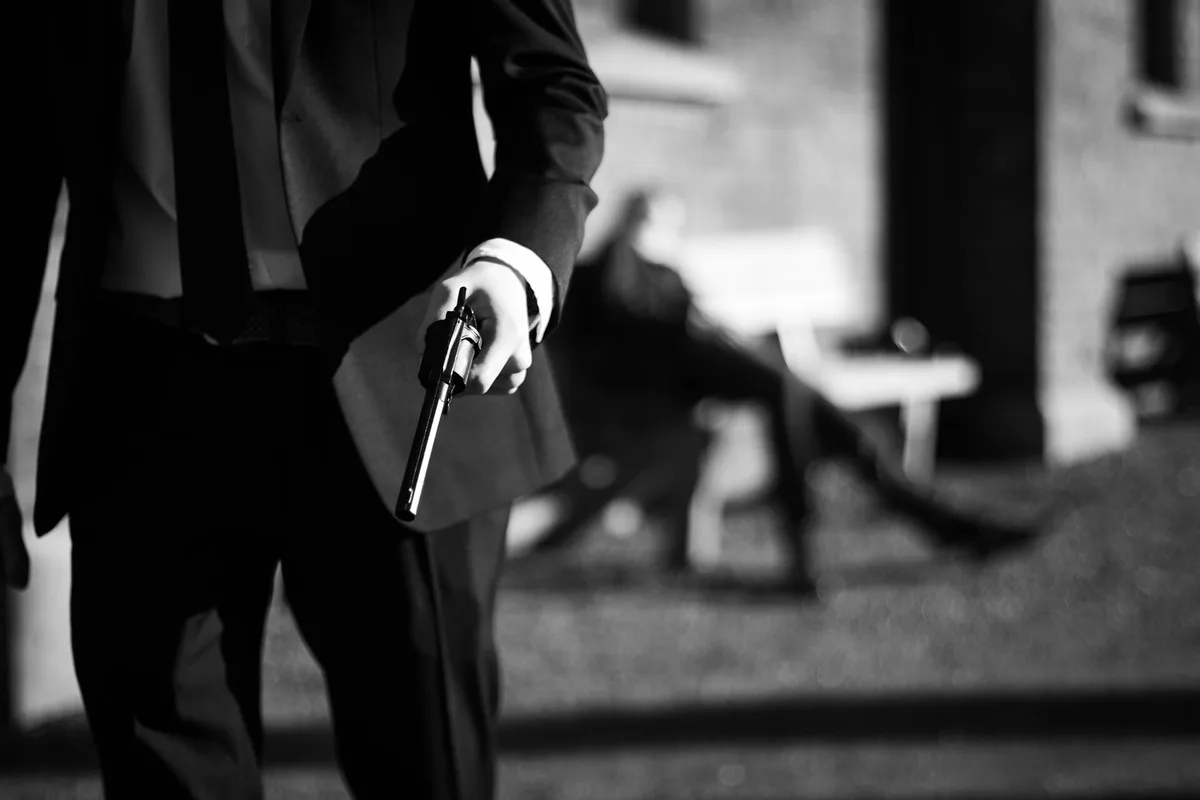
That visual power is exactly what noir leaned on. Long before anyone explained the plot, the screen told you the world was crooked. A single image, a face half-swallowed by shadow, did the work of a page of dialogue.
Where did the name "film noir" come from?
French critics coined the term after World War II, when American crime pictures that had been held back during the occupation finally reached Paris. Viewers there noticed a shared darkness of tone and style across these Hollywood films, and "film noir" stuck as a label. The filmmakers themselves rarely used the word. They thought they were just making crime stories.
The name also nods to a literary tradition. Hard-boiled American fiction, the terse, tough-minded crime writing of the era, supplied many of the plots and much of the attitude. When those novels reached the screen, they carried their fatalism with them. The movies added something the page could not: light, or the deliberate refusal of it.
What does film noir actually look like?
The visual signatures are easy to spot once you know them, and they are the fastest way to explain the style to a young viewer.
- Chiaroscuro lighting. Hard pools of light against deep black shadows, borrowed from German expressionist filmmaking. Faces are often split down the middle, half lit, half hidden.
- Venetian-blind shadows. Slatted stripes of light fall across characters and rooms, hinting at bars, cages, and hidden motives.
- Rain-slicked streets and night cities. Wet pavement reflects signs and headlights; the city itself becomes a character with bad intentions.
- Off-kilter compositions. Tilted angles and mirrors make the world feel unstable, as if the floor itself cannot be trusted.
- Cigarettes, hats, and phones. Props as shorthand: smoke for concealment, a fedora for anonymity, a ringing phone for trouble arriving on schedule.
None of this is decoration. In noir, the visuals carry the meaning. When a character steps out of the light, the film is telling you something about their conscience before they say a word.
Why is moral ambiguity the heart of noir?
Classic heroes, in most Hollywood storytelling, want something good and pay a price to get it. Noir inverts that. Its central figures, a private eye with a personal code, a drifter with a plan, a woman with a past, want something questionable and usually lose. The plots are built like traps: every choice closes a door behind the character.
This is where the famous figures come from: the world-weary detective who cannot walk away from a case, the femme fatale whose charm is a survival tool, the ordinary man pulled one step at a time into a scheme he cannot stop. Nobody in a noir is entirely clean, and the films treat that as the point rather than the problem. The question is never "will good triumph?" It is "what will this person trade to survive?"
What this means for viewers today: noir reframed the crime story as a character study. Modern prestige dramas, antihero comedies, and even animated features with morally gray villains all descend from that shift. The style taught the movies that an audience will follow a flawed protagonist into the dark and find the experience honest rather than grim.
Why does film noir keep coming back?
Because the style is portable. The lighting and the fatalism can wrap around almost any setting, and each generation finds a new one. Filmmakers have run noir through science fiction, where a detective hunts rogue artificial people in a rain-soaked future. They have run it through period romance, through neo-noir thrillers with comic energy, and through animation, where the shadows become playful rather than menacing. A cartoon parody of a hard-boiled detective works precisely because the audience already knows the code: the voice, the office door with frosted glass, the client who lies.
The revival also tracks the mood of the moment. Noir thrives when audiences are drawn to stories about institutions that cannot be trusted and people who must improvise their own ethics. That appetite never fully goes away, so neither does the style. Each resurrection looks different on the surface, brighter colors, bigger budgets, new genres, but the skeleton underneath is the same one the 1940s built.
Our analysis: noir endures because it is honest about temptation. It does not lecture. It simply shows a person choosing, step by step, and lets the shadows do the commentary. That restraint is why the films still play as grown-up without ever needing to be explicit.
Can families watch film noir together, and where should they start?
Yes, with judgment. Most classic noirs carry no content warnings from the modern era, so parents should lean on ratings boards and their own read of the tone rather than assume age-appropriateness from a film's reputation. Our guide to what G, PG, PG-13, R and NC-17 ratings actually mean explains how the modern system maps onto older films, and our age-by-age guide to classic films covers how to stage a first encounter with black-and-white cinema without losing a young viewer in the first ten minutes. We covered a connected angle in Scary Scenes in Kids' Movies: How to Spot Tone Warnings Before You Press Play.
A few practical notes for a family's first noir night:
- Start with parody or animation. A cartoon that plays with detective noir teaches the visual code in a form kids already trust.
- Explain the lighting rule. Tell younger viewers that shadows mean secrets. Suddenly the film is a puzzle they can read.
- Pick a mystery with a clear throughline. A private-eye story with a single case is easier to follow than an ensemble tragedy.
- Watch the ending together. Noir endings are famously bittersweet. That aftertaste is the best conversation starter the style offers.
Noir is also a gateway. A household that falls for the look often ends up exploring the wider film catalog together, from silent classics to modern thrillers, and the shared vocabulary of shadows and suspects makes every later movie night richer. Readers following this should also see 2026 Family Movie Release Calendar: Every Animated and Kids' Film Dated So Far.
The takeaway: noir is an attitude, not a checklist
Film noir means dark movies in both senses: dark in the photography and dark in the worldview. Its visual signatures, the light and shadow, the tilted world, the city at night, express a story about people whose choices trap them. Its moral ambiguity is not cynicism for its own sake; it is a way of taking character seriously. And its endless resurrections prove the style was never locked to one era. Whenever filmmakers want to ask what a person will trade for what they want, the shadows are waiting, already lit.