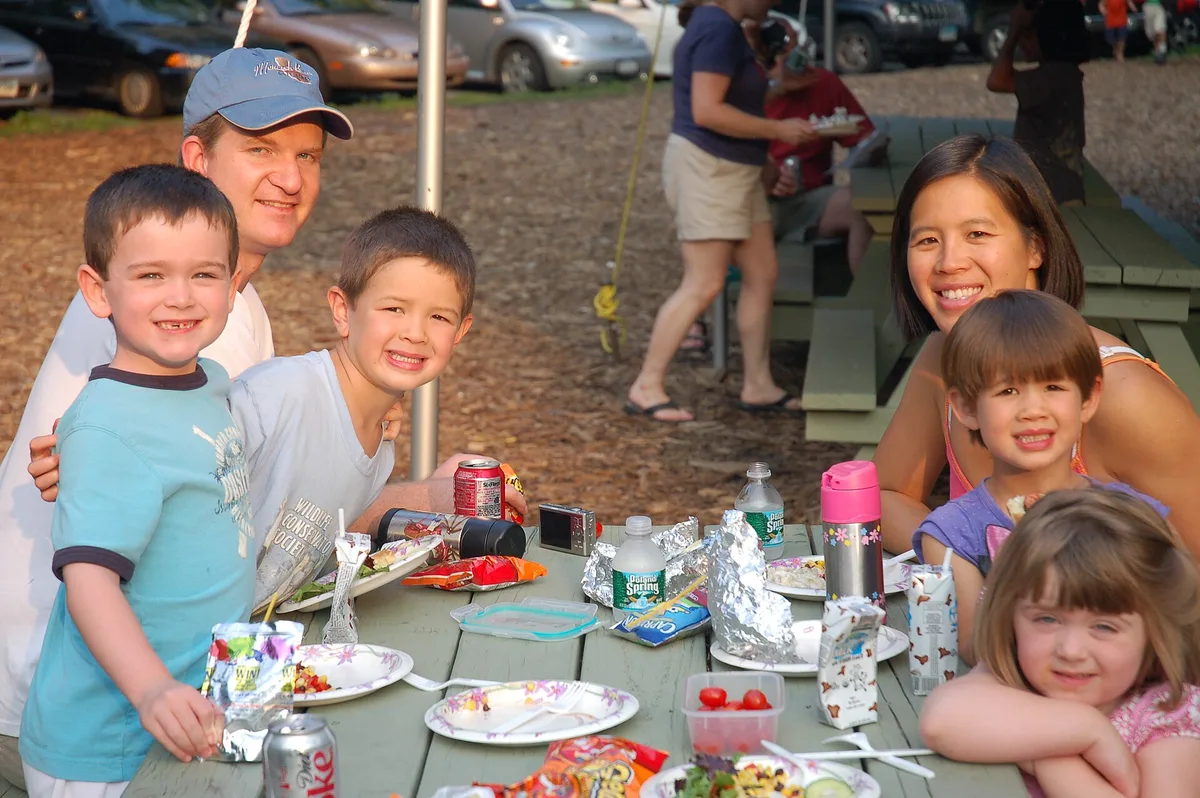
A family picnic sounds easy until you are halfway to the park. Then someone is hungry, the blanket sits on a hill of ants and the juice has leaked. A little planning fixes most of that before it starts.
Here is a simple plan for food, timing and backups. Follow it and the day stays fun even when small things go wrong. None of it needs fancy gear or hours of prep.
Pick the Spot Before Anything Else
Wikipedia describes a picnic as a meal taken outdoors, often in scenic surroundings such as a park, a lakeside or any place with a nice view. Start there. Look for shade, open grass and room to run. According to Wikipedia, picnic areas in public parks often include tables, garbage containers, restrooms and shelters. Those extras matter a lot when small children come along.
Visit the same spot twice and you will learn its quirks. You will know which table catches the wind and where the toilets hide. Local knowledge turns a good outing into a smooth one.
Keep the Food Simple and Sturdy
Fancy food wilts on the way to the park. Wikipedia notes that picnic food is rarely hot, and usually means sandwiches, finger food, fresh fruit, salad and cold meats. That list is a gift for busy parents, because nearly all of it can be packed the night before. For related coverage, see Family Feud at Home: How to Run Your Own Game Show Night.
Give every item its own box so one leak cannot ruin the meal. Freeze water bottles overnight; they keep the cooler cold and become chilled drinks by lunchtime. Pack more water than you think you need, and skip anything that spoils fast in the sun.
Time It Around Naps and Hunger
Late morning works well for most families. Everyone arrives fresh, and lunch lands right on time. Set the food out soon after you arrive, before hunger turns into a meltdown. Long gaps between arrival and eating are where picnics fall apart. We covered a connected angle in Minecraft for New Families: What to Know Before the First World.
Plan the day backward from tired kids. Eat first, play second and head home before the cranky hour. A relaxed exit beats a forced march every single time.
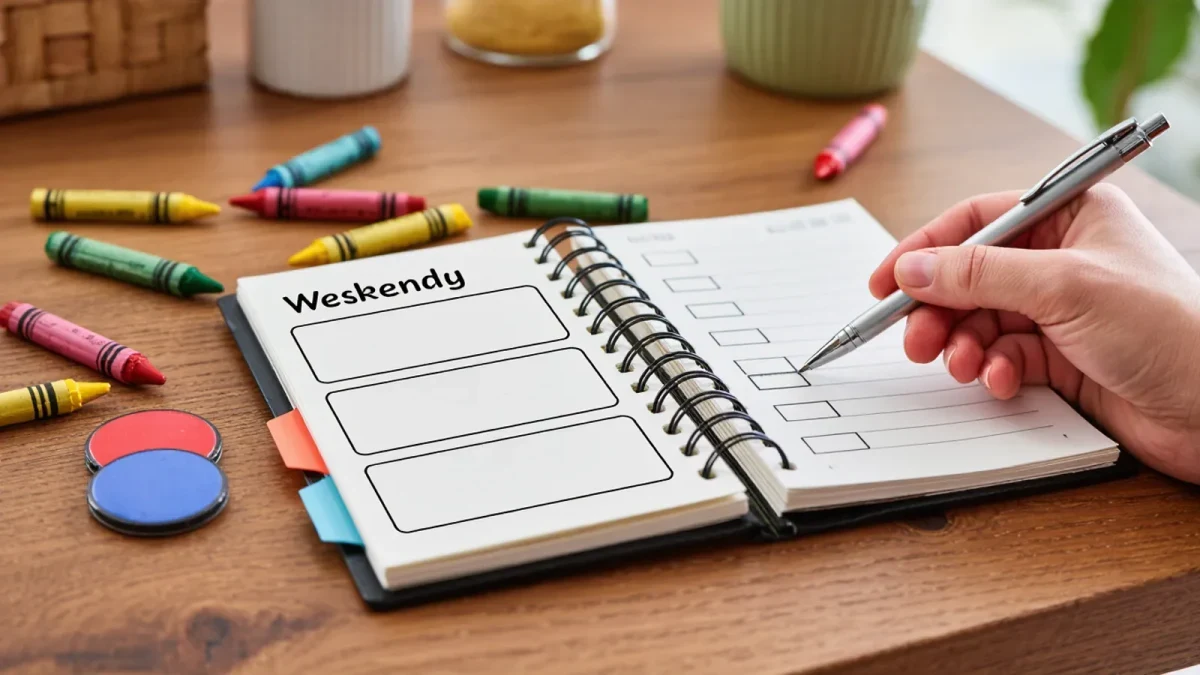
Tuck a small bag of extras beside the cooler: wet wipes, a spare shirt and one trash bag. Small comforts rescue the day more often than any gadget ever will.
Plan for Play in the Open Air
Games turn a meal into a real outing. Wikipedia notes that outdoor games are common at big picnics, and that even the food can join the fun. A heavy watermelon works well in a relay race, according to Wikipedia, and the stones of cherries and other fruit have long powered spitting contests and marble games. Pack a ball and leave the grass open for races. Simple games with no setup win every time.
Backup Plans That Save the Day
Weather is the big wildcard, so check the forecast the night before. If rain rolls in, move the same menu onto the living room floor. A blanket on the carpet keeps the magic alive. If the park looks crowded, carry a second spot in your head. If one child dislikes the main dish, tuck in a fallback snack they always eat.
A potluck twist spreads the work, too. Wikipedia describes potluck picnics where each person brings a dish for all to share. Older kids can plan and own their contribution from start to finish, which makes the meal theirs.
Conclusion
A picnic that goes well is mostly a picnic that was packed well. Pick the spot first, keep the food simple, eat early and hold a backup plan in your pocket. Do those things and the day bends instead of breaking. The kids will remember the blanket, the ball and the watermelon race, not the small stumbles along the way.