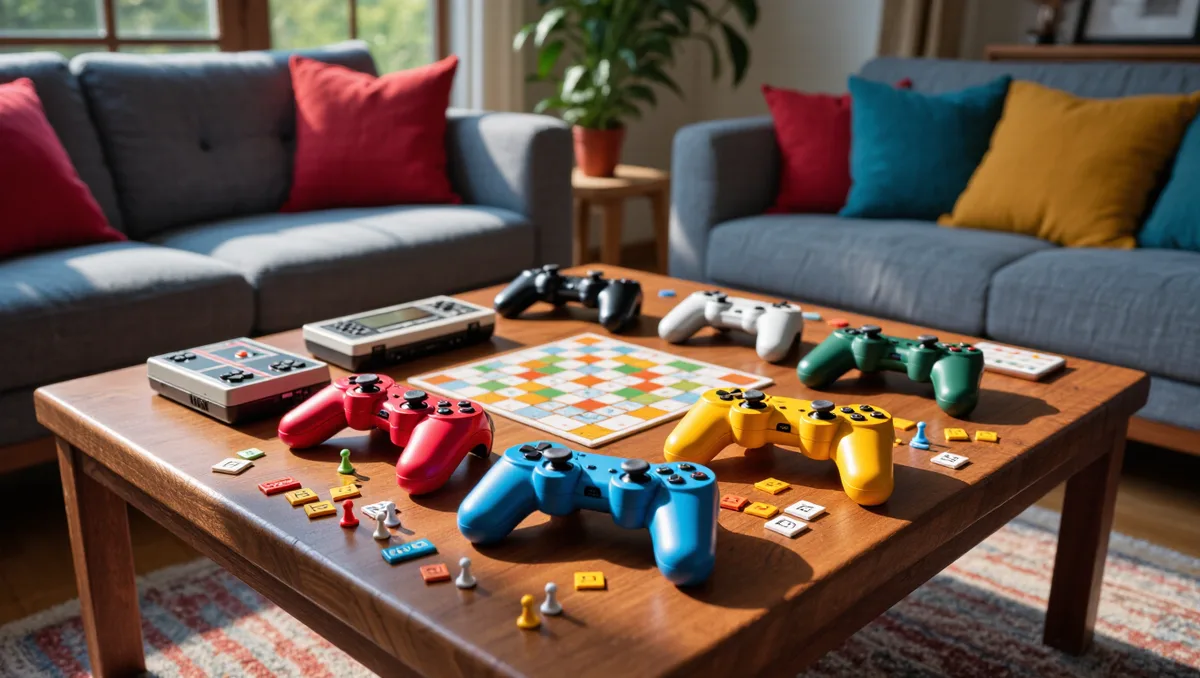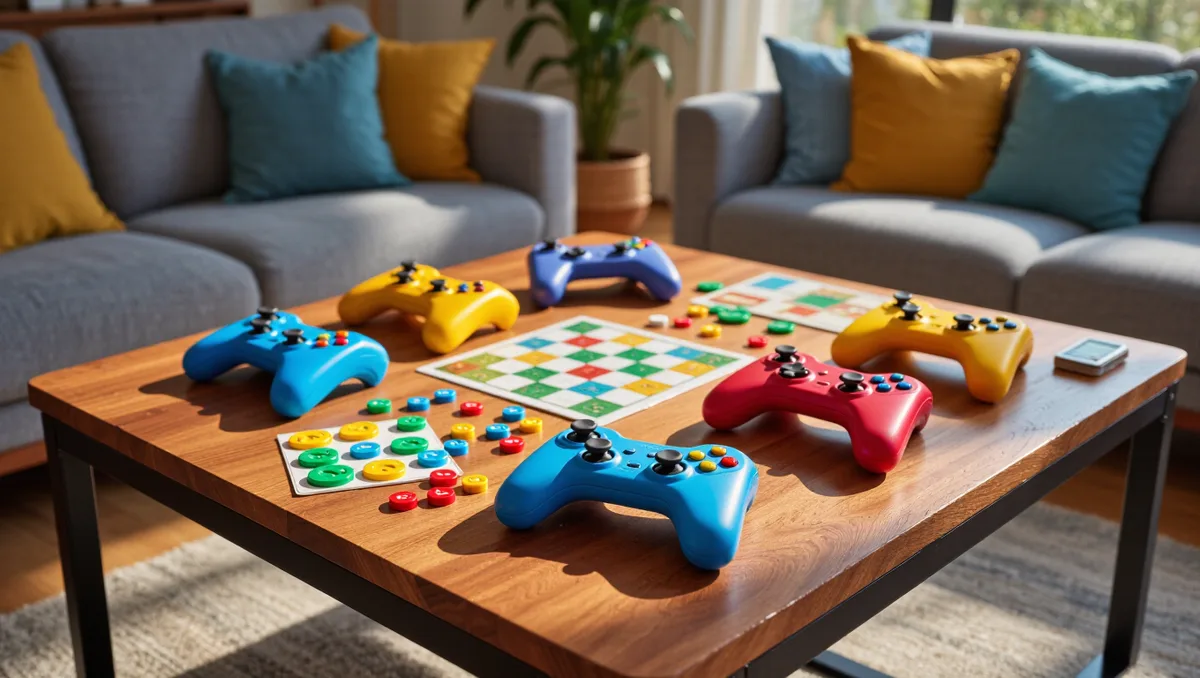
Family game night lives or dies on the game you pick. The right one gets grandparents, parents and kids laughing on the same couch. The wrong one sits on a shelf gathering dust.
There is no single best game for every household, so skip the chase for a magic list. Great family multiplayer games share clear traits instead. Here is how to spot them, and how to check a game fits before you spend a cent.
Start With Games Built for Co-op Play
A cooperative video game lets players work together as teammates, usually against computer-controlled opponents, according to Wikipedia. That shared goal is gold for families. Younger kids can chip in without needing to win, nobody carries the whole team alone, and every good moment belongs to everyone at once.
Wikipedia notes that many game genres now include co-op modes, from sports titles to adventure worlds. That range means you can pick a theme your family already loves and still find a shared mode inside it.
Couch Co-op Keeps Everyone Together
For family night, favor games the whole room can play on one screen. Wikipedia calls these couch co-op or local co-op games, where players share a single display. Online co-op instead links players on separate systems. It is lovely for cousins far away, but the heart of family night is shoulder-to-shoulder play. This connects to our earlier piece, Board Games vs. Video Games for Family Night: Which Should You Choose?.
Check the controller count before you buy, too. Wikipedia notes the industry has settled on four-player support as an informal standard, a limit that reaches back to arcade machines, though some games allow more. Four slots fit most living rooms just fine.
Read the Age Rating Before You Buy
Age ratings tell you what sits inside a game before anyone plays it. According to Wikipedia, the Entertainment Software Rating Board assigns age and content ratings to video games in the United States and Canada. It opened in 1994 and uses five age-based categories, plus content descriptors that explain exactly what a game contains. Wikipedia notes the ratings are built to help parents choose age-appropriate games.
Look past the big letter on the box as well. Modern ratings also carry interactive elements, which flag things like online play and in-game purchases, according to Wikipedia. Knowing that upfront prevents nasty surprises in the middle of a match.
Match the Game to Your Group
Think about who will actually hold a controller. Some games reward fast reflexes, while others run on timing, memory or simple puzzles. Mixed-age groups do best where skill gaps matter less and turns come fast. Drop-in, drop-out play is a huge help here. Wikipedia traces the feature back to the arcade game Gauntlet in 1985, which let players join or leave without stopping the game. A kid can leave for a bath and the family keeps going.
Session length matters as much as content. One quick round before bed beats a long campaign you must abandon halfway. Short chapters also make it easy to promise one more turn and still keep bedtime sacred.
Try Before You Commit
Many games offer free demos or trial versions, so test the fit before spending money. Play one round together and watch for a few things. Can the youngest player follow along? Do turns come around fast enough to hold interest? Does the room laugh out loud? If yes, you have found a keeper.
Borrowing works well, too. Swap games with friends or check a local library. One weekend of real play tells you more than any review ever will.
Conclusion
The best family video game is simply the one that fits your crew. Favor co-op modes, keep the play local when you can, respect the age rating and match the pace to your youngest player. Check those boxes and game night takes care of itself. The couch, the snacks and the laughter do the rest. For related coverage, see The Best Four-Player Party Games for One Couch.