Where should a family buy its games? The short answer: big chains usually win on new-release convenience and predictable trade-in policies, while independent shops win on trade variety, table space, and people who actually play what they sell. Neither is automatically the better deal. It depends on what your household buys, how often, and whether you want a place to play, not just a place to pay.
This guide breaks the comparison into the four things that matter to a family budget: what new games cost, what your old games are worth, what happens beyond the register, and who each option fits. No store is the villain here. Both models do different jobs, and knowing which job you need done saves real money.
What do new games actually cost at each?
On brand-new, shrink-wrapped releases, the playing field is flatter than most people assume. Big chains buy in enormous volume, and so do the distributors that supply independents, so a hot new board game or video game often lands within a few dollars either way. If a chain advertises a launch-week promotion or a loyalty discount, that can be the cheapest route for a single purchase.
Independent shops rarely compete head-on with a chain's loss-leader pricing, and honest owners will say so. What they offer instead is depth: older titles, imported editions, out-of-print board games, and accessories a big-box aisle never stocks. If you want the thing that came out three years ago, the local shop is more likely to have it on the shelf today.
Our analysis: for a one-off purchase of a current release, price-check both and buy wherever it's cheaper that week. For anything older, niche, or hard to find, start local.
Where does your trade-in go further?
This is where the two models really split. Chain trade-in programs run on published, standardized rates: you bring in a game, the system prices it, and you get store credit or cash. The upside is predictability, and if you want the full walkthrough of how those transactions work, our How to Sell Your Games at GameStop: A Step-by-Step Guide covers the process step by step.
Independent shops price trades by hand, and that changes the math. A store that specializes in board games may pay little for a scratched DVD-era video game but real money for a complete, well-kept board game with all its pieces. A retro-focused shop does the reverse. Because a person is looking at your actual items, condition matters more, and negotiation is often possible in a way a chain terminal will never allow.
The practical move: match the trade to the buyer. Chain for current-generation video games you want gone fast. Local shop for board games, retro cartridges, or anything complete and cared for. Call ahead and ask what they're actively buying; good shops answer that question honestly, and it takes two minutes.
What do you get beyond the register?
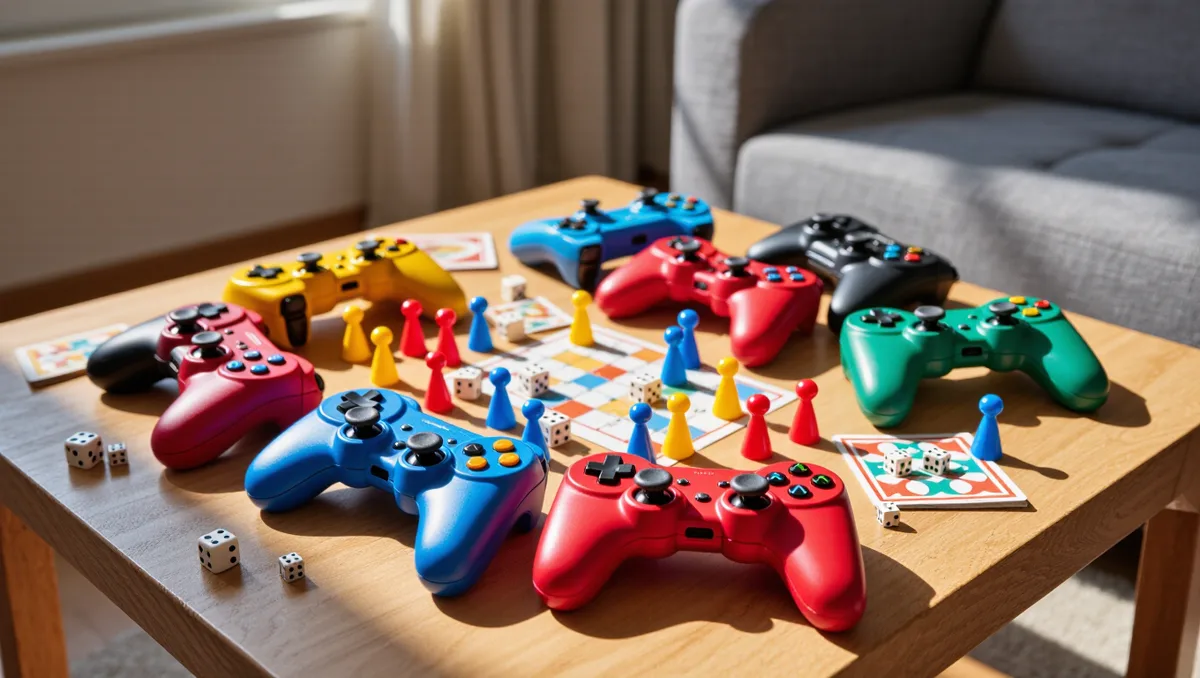
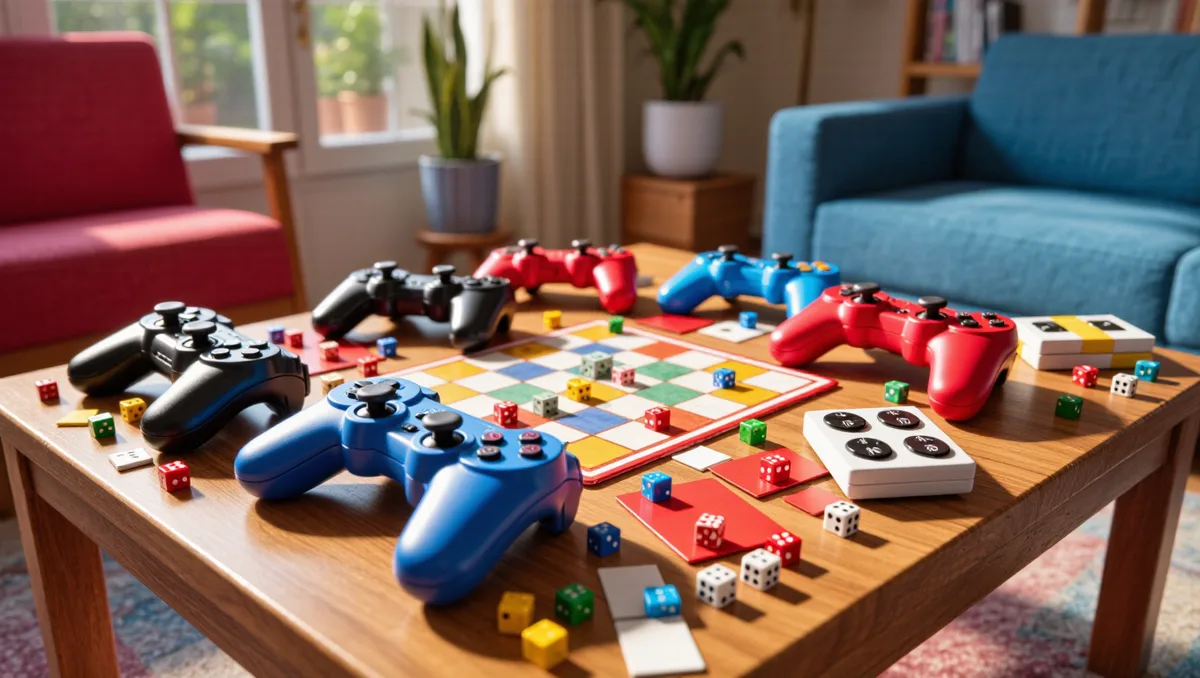
A chain store sells you a product. An independent store sells you a place. Most Indies host game nights, learn-to-play sessions, tournaments, and open tables where a family can try a game before buying it. For parents building a rotation of games the whole household enjoys, that try-before-you-buy access is worth more than a few dollars of discount, and our guide to building a weekly family game night that actually lasts leans on exactly that kind of low-risk sampling. We covered a connected angle in What Do Video Game Ratings Actually Mean? A Family Guide to the ESRB System.
Staff knowledge is the other hidden asset. Ask a chain employee for a recommendation for a seven-year-old and you may get a shrug or a shelf location. Ask the same question at a good independent shop and you'll get three options, a warning about which one has fiddly setup, and an offer to teach it. That expertise compounds over years of shopping.
Local shops are also part of the neighborhood fabric that community outlets track. According to Patch's Brooklyn coverage, the outlet maintains a community events calendar where local happenings, including store-hosted gatherings, get listed — a reminder that independent shops show up in local life in ways a national chain aisle simply doesn't.
What's the honest downside of each?
Independents have real costs, and pretending otherwise helps no one. Smaller inventory means a special order can take days. Hours can be shorter. A single location may close, and when it does, any store credit you were holding is at risk. If you carry a balance at a local shop, keep it small.
Chains have their own trade-offs. Trade-in values for older games can be low, staffing turnover means the knowledgeable employee you liked may not be there next month, and the aisle experience is built for speed, not advice. Neither problem is a scandal; it's just what each business model is.
Parent note: whichever store you choose, the same rating habits apply. Check the box before you buy, and if the ratings system itself is fuzzy, our explainer on what E, E10+, T, and M ratings really mean sorts it out in a few minutes.
Who should shop where — the verdict
Here's the format we always land on: who should buy where, who shouldn't, and what it costs you over time.
- Choose the chain if: you buy new releases on launch week, you want a fast, standardized trade-in for current-gen games, and you already know exactly what you're after.
- Choose the local shop if: your household plays board games, collects older titles, wants to try games before buying, or values a staff member who knows your kids' names and their skill levels.
- Use both if: that's most families. Buy the big new release wherever it's cheapest that week, and give the independent your trades, your special orders, and your Friday evening.
Over a year, the money difference between the two is usually smaller than people expect. The experience difference is not. A chain gets you out the door with a bag; a good local shop gets you out the door with a game your family already knows how to play. That's where your money actually goes, and for a lot of households, it's the better purchase.
The bottom line for your family
Neither option is the right answer every time, and the healthiest game-buying habit treats them as complements rather than rivals. Chains deliver convenience and predictable trade-ins on current releases. Independents deliver selection depth, play space, and expertise that grows with your family. Decide by purchase, not by loyalty: cheap and fast when that's the job, local and patient when it isn't. And whichever door you walk through, the game on the table at home is the part that matters. For more on picking what to play together, see our take on board games versus video games for family night.