Pop culture fandoms are simply groups of people who love the same show, band, game, or franchise and organize their enthusiasm around it. A century ago that meant letters, club newsletters, and the occasional convention. Today it means global online communities where fans talk, create, and spend in real time.
The through-line has not changed much. Fans want to connect with each other, get closer to the thing they love, and be taken seriously while doing it. What changed is scale and speed. A letter-writing circle that reached a few hundred people by post now has online successors that reach millions overnight.
This piece traces how we got from mimeographed zines to modern superfan platforms, and what that history means for a family whose kids are just discovering their first fandom. If you are hearing unfamiliar names at the dinner table, our culture coverage exists exactly for that.
Where did fan culture actually start?
Organized fandom is older than television. In the early twentieth century, fans of serialized fiction and silent film stars wrote letters to studios and fan magazines, and some of those letters ran in print. Science fiction readers took it further. They swapped addresses in the back pages of pulp magazines, formed correspondence clubs, and produced their own fanzines — homemade, cheaply printed booklets full of opinions, fiction, and club news.
Those zines mattered for one big reason. They let fans talk to each other instead of only consuming. A teenager could publish an essay, mail it to a club, and get replies. That loop — create, share, get a response — is the engine of every fandom that followed, whether it runs on paper or on a phone.
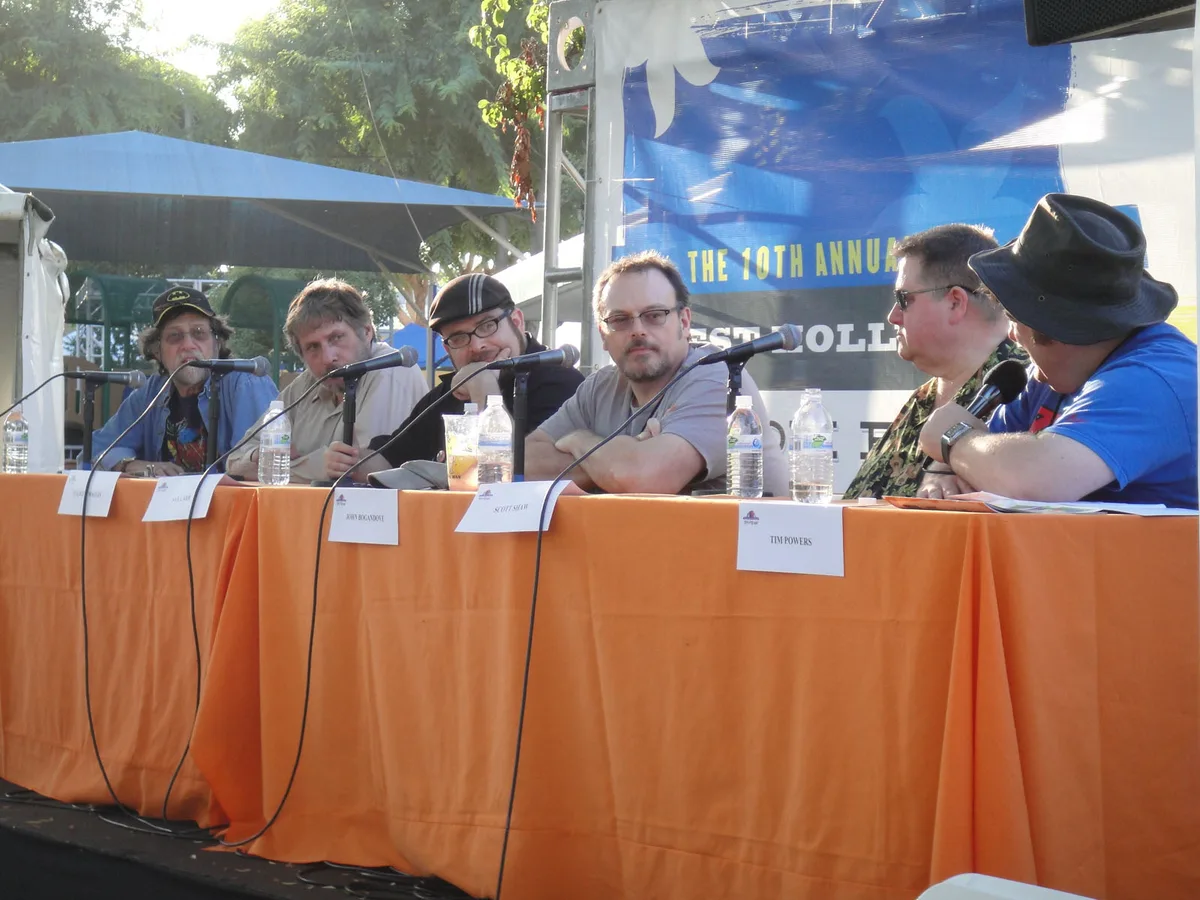
Conventions grew out of the same impulse. Small regional gatherings let fans meet face to face, hear from creators, and trade collectibles. Over the decades those gatherings grew into the large pop-culture events many families now attend, complete with costume contests and autograph lines.
How did television and music change the fan experience?
Mass media made fandom a shared, scheduled event. When a show aired once a week, millions of households watched it at the same time and discussed it the next day at school or work. Fan clubs for bands and TV stars ran through official fan-club secretaries, newsletters, and mail-order merchandise. The studio or label set the terms; fans filled in the gaps with their own letters, scrapbooks, and taped-off-the-radio recordings.
Music fandom in particular built habits that still exist. Fans collected, ranked, and debated. They made mixtapes, which were personal, handcrafted arguments about what mattered. A modern equivalent — making a playlist for a friend — carries the same impulse with far less effort.
That collecting-and-ranking instinct now lives online, where official channels do much of the feeding. You can see it in something as ordinary as YouTube's Best Pop Music Videos - Top Pop Hits Playlist, a running official playlist where fans stream, share, and argue over the biggest pop hits in one place. The platform hosts the conversation and the content on the same page, which is the core trick of modern fandom.
What did the internet actually change?
The internet removed the post office. Online message boards, mailing lists, and later fan-run wikis let a fan find their people instantly, no matter where they lived. Creation got cheaper too. Fan fiction moved from photocopied zines to websites. Fan art moved from conventions to galleries and social feeds. Video editing tools let fans make their own trailers, tributes, and commentary.
Then social media collapsed the distance between fans and the people who make the things. Actors, musicians, and game studios began posting directly, and fans responded directly. A reaction that once took a stamped envelope now takes a comment. Studios noticed, and many now treat fan communities as partners in promotion — dropping trailers, running polls, and rewarding the superfans who amplify everything.
The result is what analysts describe as fan ecosystems: communities that create, promote, organize, and spend at industrial scale. Fan campaigns have helped revive cancelled shows, push songs up the charts, and turn niche games into worldwide hits. The enthusiasm was always there; the plumbing just got much better.
What this means for families
Our analysis: fandom itself is a healthy thing to encourage. It builds reading, writing, art, argument, and belonging. The risks are not the passion — they are the plumbing. Online fan spaces can include strangers, advertising, and spending pressure, so the useful question for a parent is not "is this fandom okay?" but "where is my kid hanging out, and who else is there?"
Practical steps, in plain terms:
- Ask your child to show you the fan spaces they use, and look at them together.
- Check platform age rules and privacy settings before an account is created.
- Talk about in-app spending early, before a limited-time digital item does the talking for you.
- Encourage the creating side — drawing, writing, editing — which is where fandom skills actually build.
It also helps to keep some fandom offline on purpose. We have written before about The Quiet Comeback of Analog Hobbies in a Digital World, and fan culture fits the pattern: a paper sketchbook or a shelf of collected things gives the same belonging without a feed. For music-loving kids, our Introducing Kids to Music Genres: A Parent's Age-by-Age Playlist Plan offers a low-stakes way in. Film fans can start with our film hub, and gamers with our games coverage.
Where are fandoms headed next?
The honest answer is: more of the same engine, in new rooms. Fan communities keep moving toward whatever platform is fastest for creating and responding, and right now that includes short video, live streams, and in-game events where fans gather inside the fictional worlds themselves. Games have become fandom venues as much as entertainment, which is why our plain-English primer on What Is Roblox, Exactly? A Parent's Plain-English Primer stays one of the most useful starting points for parents.
What the history establishes is simple. Every generation of fans reinvents the same three moves — connect, create, be recognized — with whatever tools it has. The letter-writing clubs and the superfan platforms are the same animal at different sizes. What remains unknown is which specific platform wins next, and no one should pretend to know that. What a parent can count on is the pattern: wherever your child's enthusiasm goes, your job is the same one it has always been — stay curious, stay nearby, and check the doors.