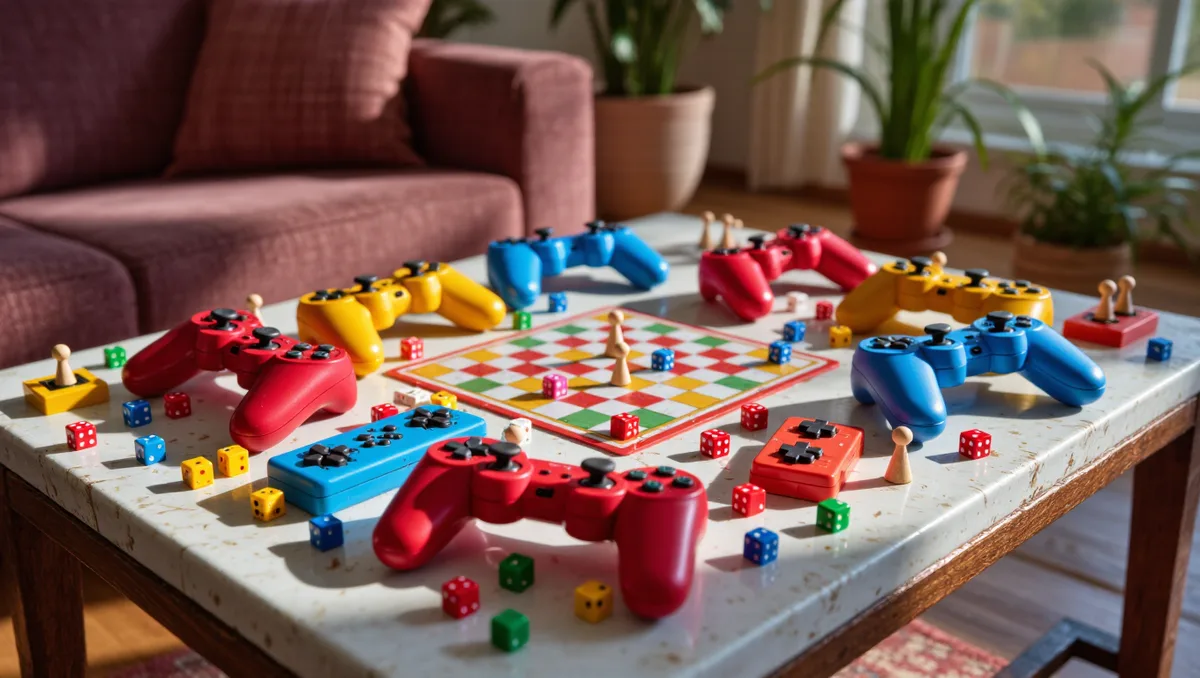
Here's the short answer to the question every parent eventually asks: Roblox is not one game. According to Roblox's own explainer, it is "a destination where users can find and play many games" — obstacle courses, racing games, creative simulations like growing a virtual garden — all built by other users and professional creators. That single fact explains almost everything else about it.
So when your child says "I'm playing Roblox," they're really saying "I'm playing one of thousands of games inside Roblox." The platform itself is free to join and play, with optional spending through Robux, the platform's virtual currency. The games inside range from simple and gentle to loud and competitive, which is why a parent's real job is understanding the shelves, not just the store.
This primer walks through what the platform actually is, how the money side works, and the basics worth setting up before a first session. For how official age ratings work across video games generally, our guide to what ESRB ratings actually mean covers the labels you'll see on game store listings. Readers following this should also see What Do ESRB Video Game Ratings Actually Mean? A Family Guide.
What is Roblox, in one plain-English sentence?
Roblox is a platform — think of it as an app store and a game console rolled into one, but everything on it is user-made games. Roblox describes these experiences as everything from obstacle courses and racing games to creative simulations. Each one is called an "experience," and each is a separate thing your child can open, play, and close.
Because every experience is made by a different creator, quality and tone vary widely. One might be a calm building sandbox. Another might be a fast-paced contest with strangers. The name on the box never changes — it all says Roblox — so the useful question isn't "is Roblox okay?" but "which experiences is my kid playing, and what do they involve?"
That structure is also why the platform has lasted. New experiences appear constantly, made by everyone from hobbyists to professional studios. Roblox says its Creator Hub documentation and Roblox Studio tool let anyone from novices to seasoned pros design, build, and publish games. For your purposes as a parent, the takeaway is simple: the content your child sees can change from week to week.
How does a kid actually get started?
The setup is straightforward. Roblox runs on phones, tablets, computers, and consoles, and the official download page is the place to get it. Creating an account is free, and the first thing a new user does is build an avatar — the character that represents them on the platform.
- Create an account with an accurate birth date, since age shapes the default settings a child gets.
- Customize the avatar. Roblox says avatars can look human or "take any form imaginable — from robots to dragons," and users dress them up with accessories.
- Browse experiences together the first time. Pick something simple, play alongside your child, and see what the experience actually involves.
- Check the communication settings before letting chat run. Roblox offers parental controls through its account settings, and its Parents page is the official starting point.
That first shared session matters more than any settings page. You'll learn quickly whether a given experience suits your child — and your child learns that you're interested, which pays off later when the questions get harder.
What's the deal with Robux and spending?
Roblox is free to join and play. The spending comes through Robux, the virtual currency, which Roblox says can be spent on avatar items or in-game upgrades. There's also an optional subscription, Roblox Plus, which the company says helps users save on in-game items and avatar upgrades and adds self-expression features like profile frames and backgrounds.
The pattern to understand: many experiences are free to enter but sell things inside. A game might offer a cosmetic outfit, a speed boost, or a special item. None of it is required to play, but the prompts are designed to be tempting, and they're aimed at players who may not yet connect a button press to a real charge.
Practical steps that most families settle on: decide whether Robux purchases happen at all, who approves them, and whether payment information lives on the device a child uses. Removing the saved card from reach converts every purchase prompt into a conversation instead of a charge. That single move does more than any lecture.
What should parents know about chat and strangers?
Because Roblox is a shared online platform, players can encounter other players — and communication settings decide how much of that happens. Roblox maintains a dedicated Parents page and account-level controls for managing who can contact a child and how. The company also publishes its own safety information, and that's the right primary source for the current options, since features and defaults change over time.
Our analysis of what actually works: treat chat settings like a dial, not a switch. Younger players generally do fine with communication limited or off. As kids get older and want to play with real-life friends, you can loosen the settings deliberately, with the understanding that they tell you before accepting contact from anyone they don't know offline. This connects to our earlier piece, Art Museums With Kids: What Actually Works at Every Age.
One more habit worth building: ask which experiences your child played today, by name. Experiences have their own names and their own followings, and knowing them turns "I played Roblox" into something you can actually talk about. It also means you can look up a specific experience yourself if something about it seems off.
What is Roblox Studio, and is the creative side worth it?
Here's the part many parents miss. Roblox isn't just for playing — it ships with Roblox Studio, the company's tool for creators. According to Roblox, artists and developers use Studio to design, build, and publish games, and its documentation supports everyone "from novices to seasoned pros." There's also Education documentation aimed at educators and self-learners.
For a kid who likes building things, this can be the most interesting part of the platform. Making a simple obstacle course teaches planning, testing, and revision — the same muscles as a science project, with faster feedback. It also shifts the relationship: your child goes from consuming other people's games to understanding how they're made.
That said, Studio is a real tool with a real learning curve, and it isn't the right starting point for every child. Some kids just want to play. Both are fine. The useful move is knowing the creative track exists, so you can point an interested kid toward it when the moment arrives.
What this means for your family
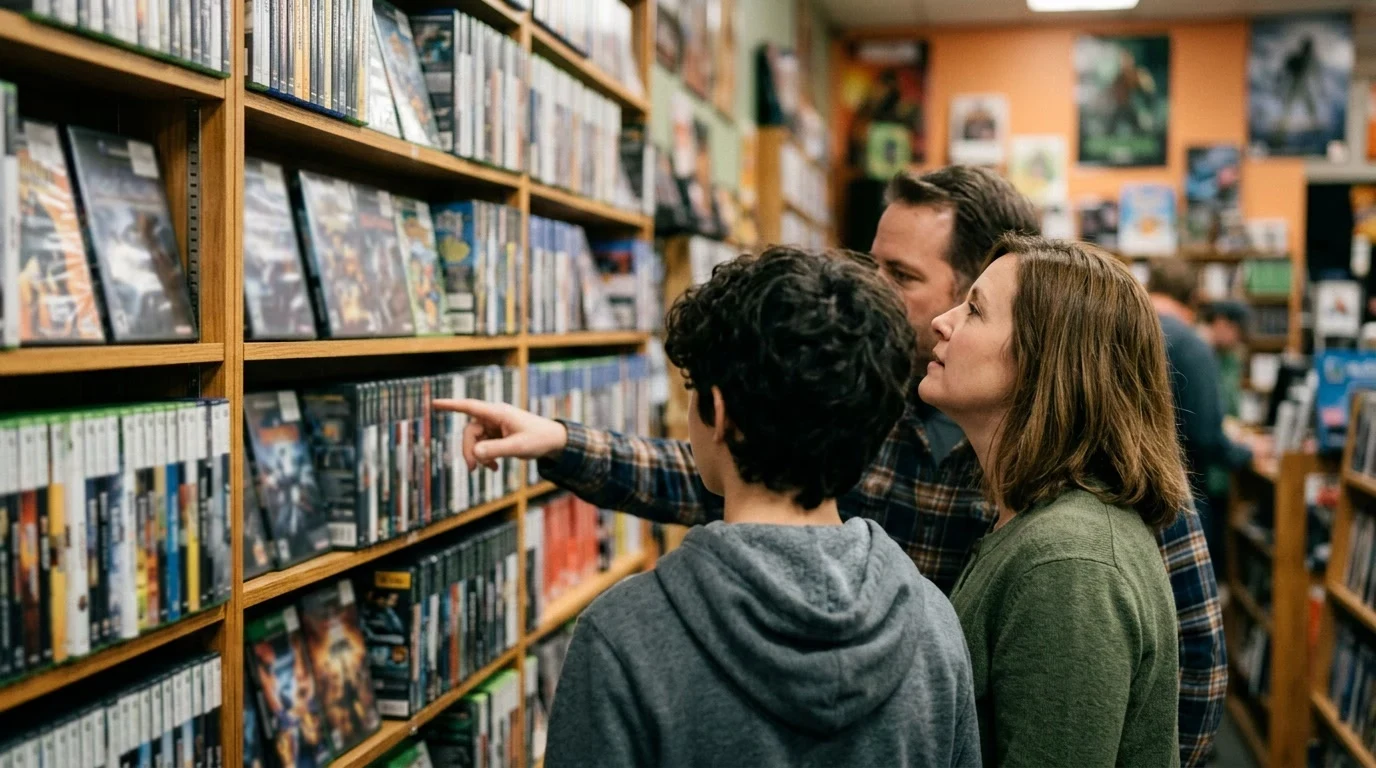
Roblox is best understood the way you'd understand a big arcade: the building is free to walk into, the games inside vary enormously, and your job isn't to judge the whole building but to know which machines your kid is standing at. The company's own materials confirm the essentials — it's a destination of many user-made games, free to join, with optional Robux spending and a subscription tier.
Start with a shared first session, set the communication dial to match your child's age, keep payment details out of easy reach, and ask about experiences by name. None of that takes more than an evening, and it converts a vague worry into a working routine. If a specific experience ever raises a question, Roblox's Parents page and the experience's own listing are the first places to look — and for the ratings language you'll see across game stores, our ESRB guide breaks down each label.
The honest verdict, compromises included: Roblox offers genuine variety and a real creative outlet, and it asks something of parents in return. The families who get the most from it are the ones who treat it as a shared space to explore, not a black box to hand over. That's not a showroom pitch — it's what the platform's own structure implies.