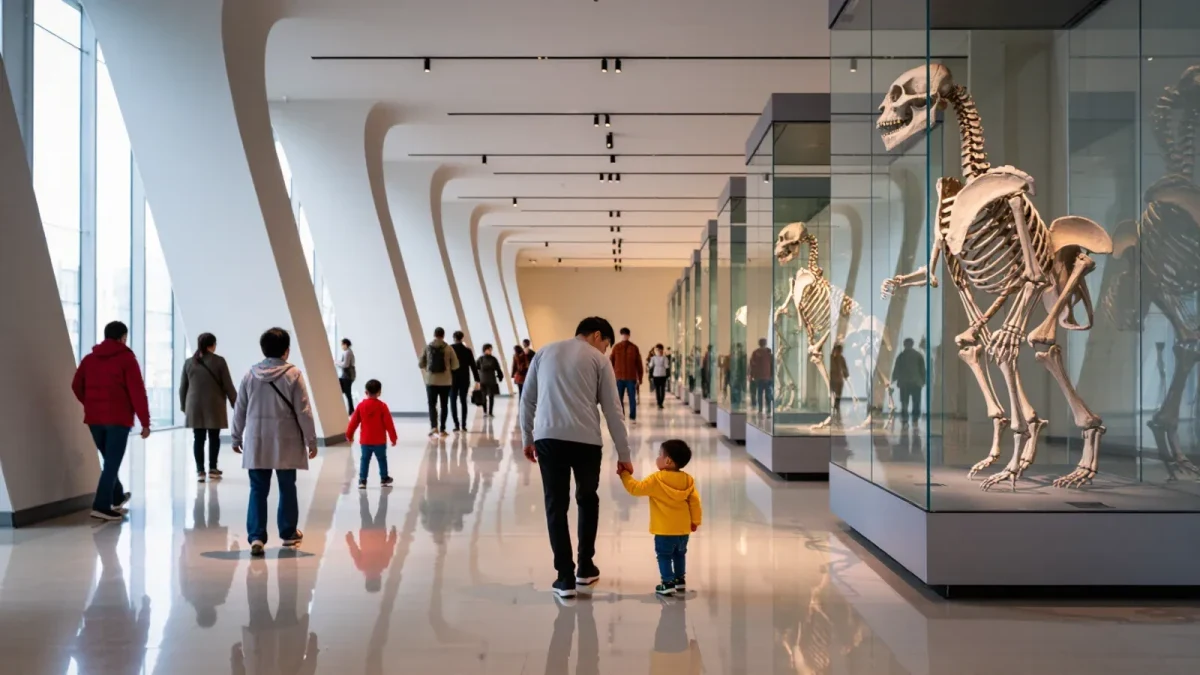
Art museums with kids get a bad reputation they did not earn. Quiet rooms full of expensive objects sound like a tantrum venue, but art is the most interactive medium a museum has — it is all looking, guessing and storytelling, which is exactly what children do anyway. The key is staging: a three-year-old and a twelve-year-old need different museums experiences, not the same one at different speeds.
Why bring kids to art museums at all?
Because art rewards opinions instead of answers. School tours have leaned on visual thinking strategies for decades — the open-ended trio of questions "What's going on in this picture? What do you see that makes you say that? What more can we find?" — and museum educators consistently report that young visitors produce sharper observations than adults once the pressure to be right is gone. An art museum is one of the few public places where a five-year-old's interpretation is legitimately as valid as anyone else's.
Ages 3–5: What does a good visit look like?
Keep it physical, sensory and short — 30 to 45 minutes, three or four works maximum.
- Play color hunts. "Find something red in this room" turns a gallery into a game board.
- Count and search. Animals, hats, boats, moons — old paintings are stuffed with them.
- Copy poses. Statue imitating is a classic for a reason (check for "do not touch" signs first; pose beside, never on).
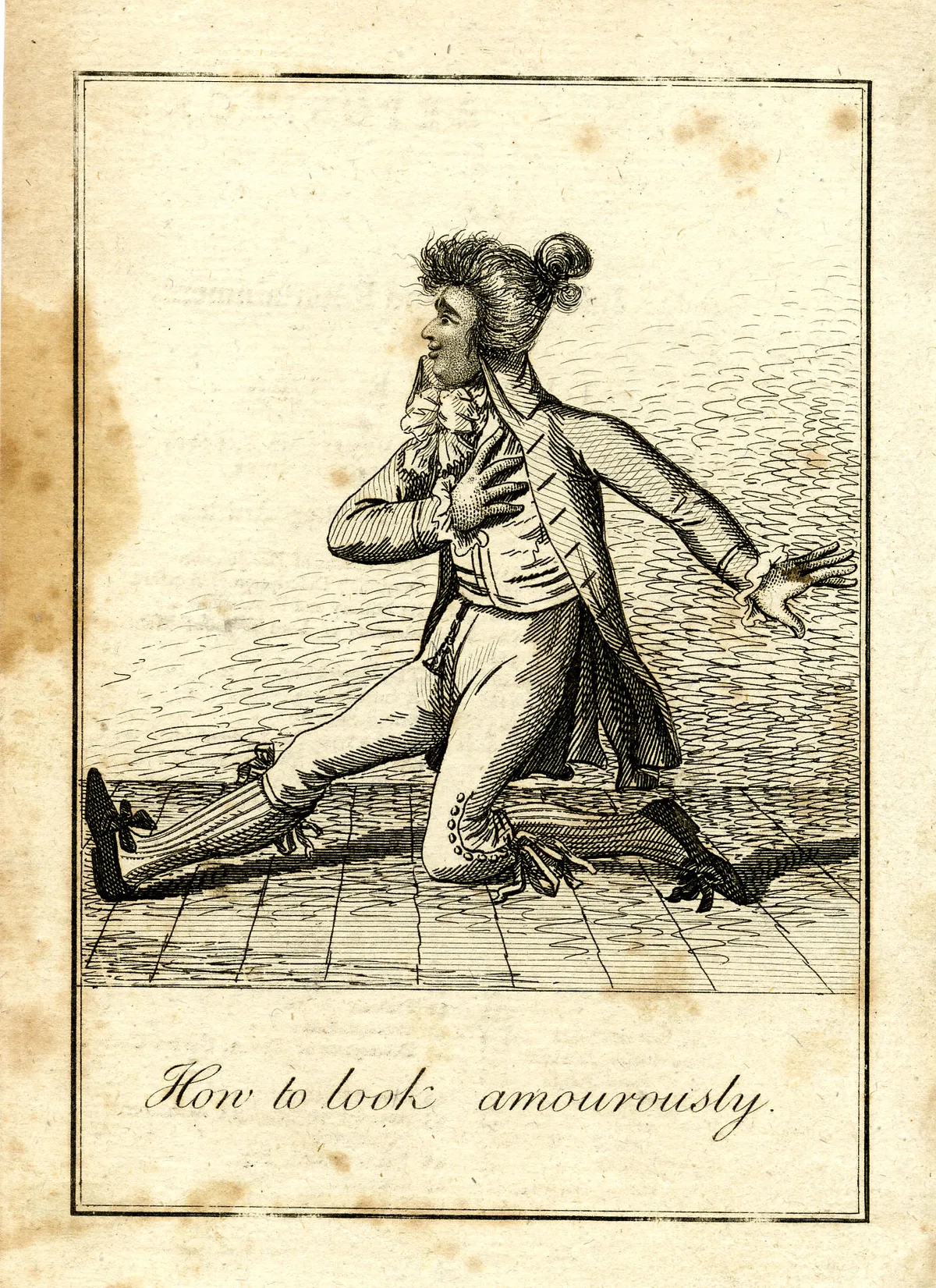
- Tell the story. Ask what happened five minutes before this scene. Any answer is correct.
Ages 6–9: What changes?
Readers and rule-noticers, this crew wants jobs and facts:
- Sketching stops. One bench, one artwork, five minutes of drawing. It builds looking stamina painlessly.
- Detail detective. Hand them a detail from a postcard in the gift shop area and have them find the painting it came from.
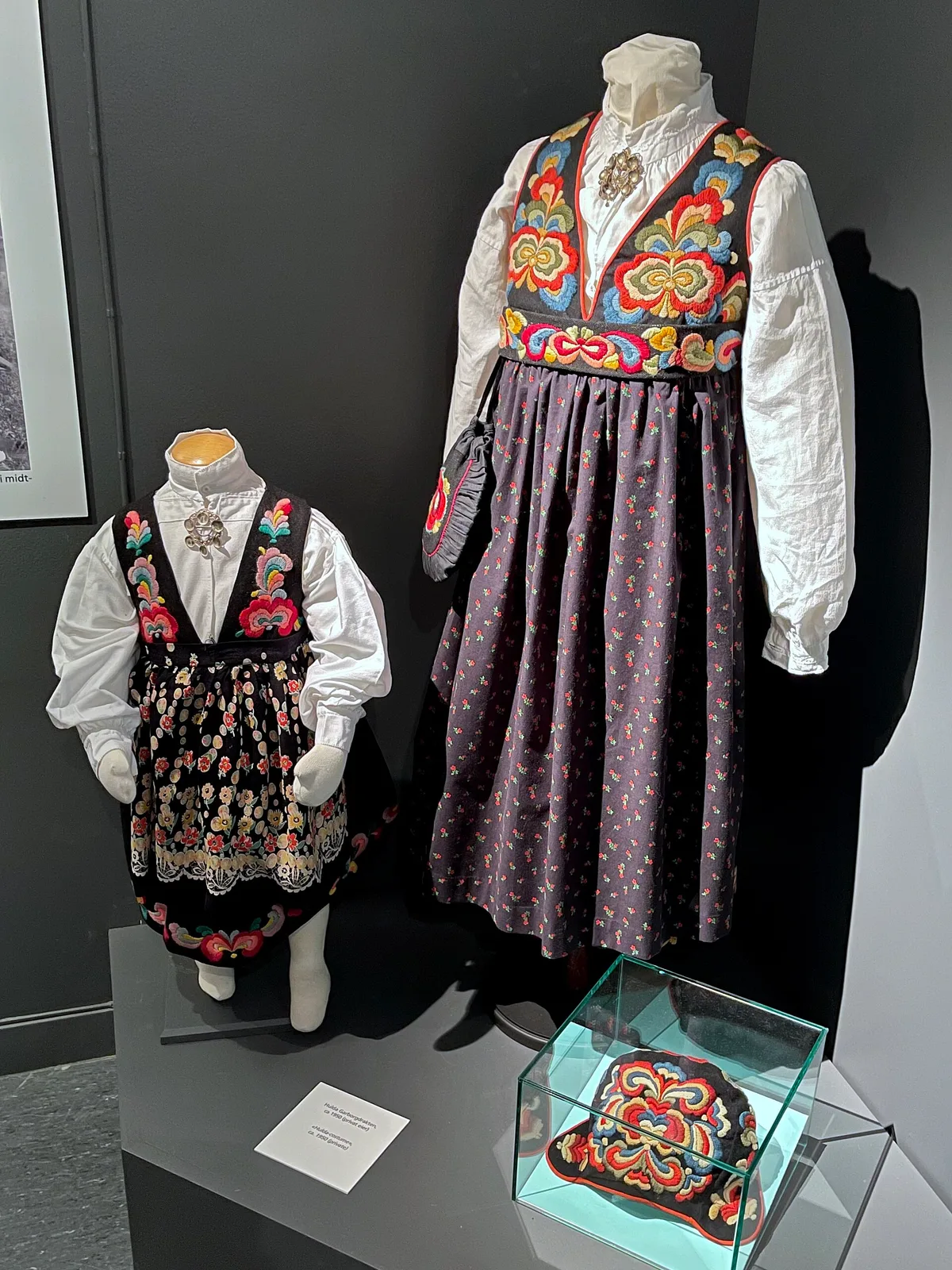
- Medium spotting. Oil, marble, bronze, photography, textile — sorting objects by material teaches more art history than any wall text.
- Audio guides. Many museums offer family or youth tours; kids this age love the private headphones.
Ages 10 and up: How do you keep them in?
Hand over the controls. Let the tween pick the wing and set the route; give them the museum map and the role of navigator. Add a critique layer — "rate everything we saw out of ten and defend your lowest score" — because arguing about art is the entire sport of art criticism. This is also the age where modern and contemporary galleries land, since conceptual pieces invite exactly the debates that tweens relish ("this is just a pile of candy — is it art?" is a genuinely productive question that real curators answer differently).
What does the full progression look like?
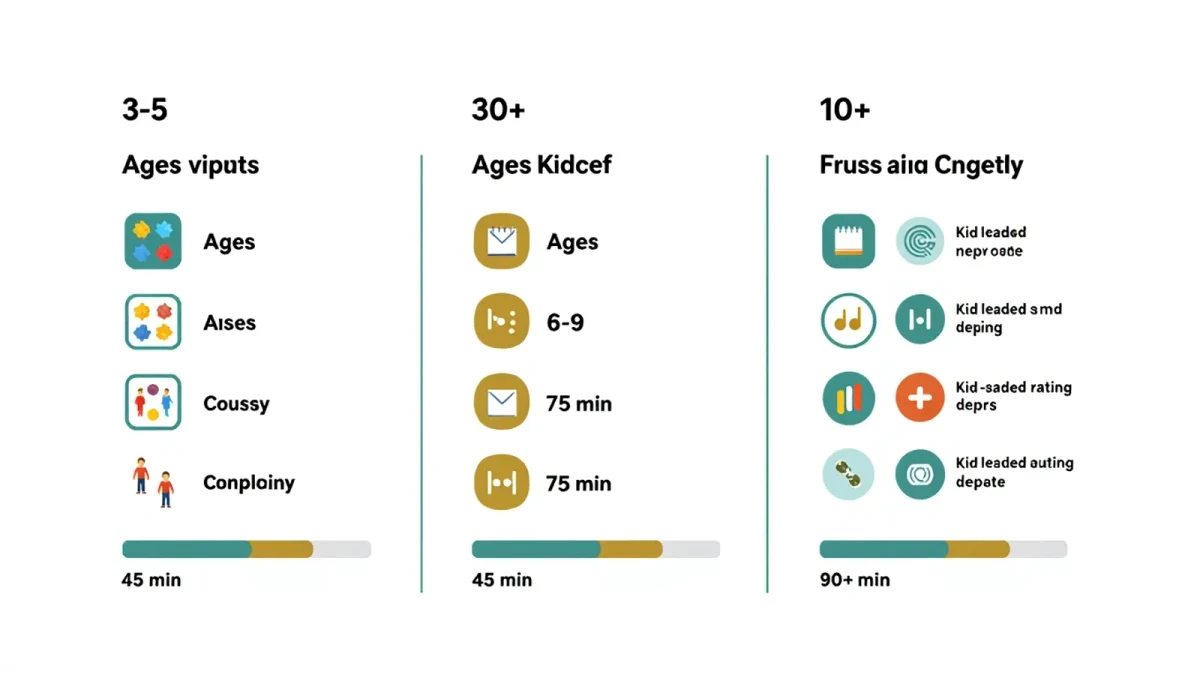
| Age | Visit length | Core activity | Skip |
|---|---|---|---|
| 3–5 | 30–45 min | Color hunts, counting games, pose copying | Long wings, quiet-context rooms |
| 6–9 | 60–75 min | Sketching, medium spotting, youth audio guides | Dense special-exhibit crowds |
| 10+ | 90+ min | Kid-led routes, rating debates, contemporary wings | Hand-holding overkill |
What practical rules make it easier?
Go at opening on a weekday if possible — attendance data tracked by the Art Newspaper's annual museum surveys shows weekends and free days draw the biggest crowds, and crowd density is the number-one variable in kid endurance. Keep an arm's-length rule, take the elevator as entertainment, and build in a lobby or sculpture-garden break at the halfway point. If your museum has a family resource room or discovery cart, start there and pick up whatever scavenger sheet they have — museum educators have already done your planning.
Which art museums work best for first visits?
Sculpture gardens are the ideal training ground: outdoors, freely loud, with room to run between encounters. Children's museums with art studios come second, followed by small university galleries, which are free, uncrowded and sized for a single focused loop. Save blockbuster special exhibitions for experienced museum kids — timed tickets, crowds and corridors do not forgive beginner energy.
Check the museum's family page before going. Many institutions publish family guides, weekend discovery carts and stroller-friendly routes; using them costs nothing and turns a wing you would have skipped into the best hour of the visit.
How do you answer "but is it really art?"
Celebrate the question, because it is the oldest argument in art criticism. Reply with questions of your own: Does it make you feel something? Did somebody decide and make it on purpose? Would it be different if you made it? A child who defends a position on a pile of candy or a blank canvas is doing exactly what curators, critics and collectors do for a living, with considerably more enthusiasm and smaller consulting fees.
What if your child says it's boring?
Boring is feedback, not failure. Usually it means too much walking, too little talking or art with no entry point — so shrink the visit, increase the games, or switch museums entirely. Photography collections, armor courts and design museums (chairs! cars! sneakers!) reliably hook kids who glaze over at oil paintings. The goal is a kid who thinks of museums as their territory, and every route counts.