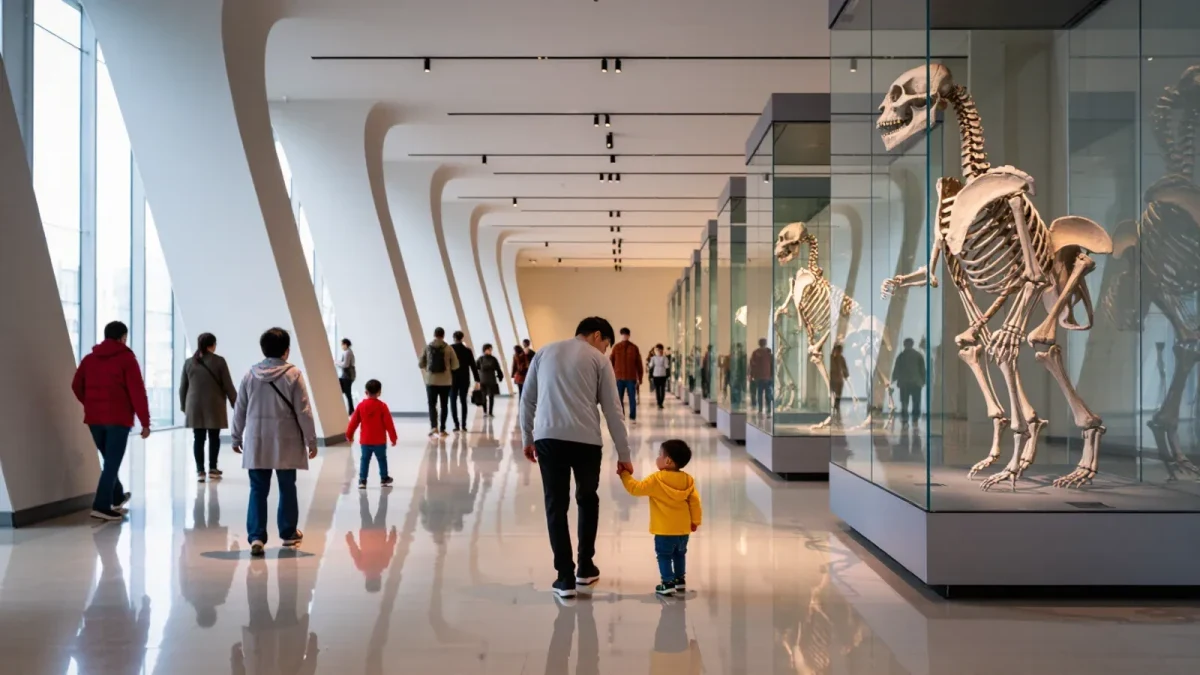
The secret to great museum visits with kids is simple: go small, go short and leave while everyone is still happy. Early-childhood educators and museum educators across the country agree that a successful first trip is measured in smiles, not in how many galleries you cover. Thirty to forty-five focused minutes beats a three-hour marathon every single time.
At what age should a child first visit a museum?
Most children are ready around age three or four, when they can walk a loop, follow simple rules and stay curious for about half an hour. Children's museums welcome toddlers, and many traditional museums now offer stroller-friendly routes and family discovery rooms. The American Alliance of Museums notes that museums are among the most trusted institutions in the United States, and that trust extends to their family programming — so you are walking into a space built to accommodate you.
If your child is younger than three, pick a museum with a dedicated hands-on area and treat the visit as sensory play, not a lesson. There is no badge for seeing the permanent collection.
How do you prepare before you go?
Preparation takes ten minutes and saves the whole trip:
- Check the map online. Choose one wing or one theme — dinosaurs, space, dolls, trains — and commit to it.
- Look at the schedule. Many museums run free or reduced-admission hours; some participate in programs that waive fees for families receiving food assistance.
- Talk about rules in the car. Two rules cover almost everything: we walk, and we touch only what an educator hands us.
- Set the promise. Gift shop at the end if the visit goes well — or skip it entirely and grab a snack outside instead.
What should you pack?
Pack like you are going on a short hike with a very opinionated tour guide. Essentials: water, wipes, a light snack for after (eating inside galleries is usually off-limits), a small notebook and crayons for sketching, and bandaids for blisters from new shoes. Leave the giant backpack at home — many museums require larger bags to be checked or worn on the front.
A stroller is fine at most museums, but call ahead or check the accessibility page; a few historic buildings restrict them in certain galleries on crowded days.
How long should you stay?
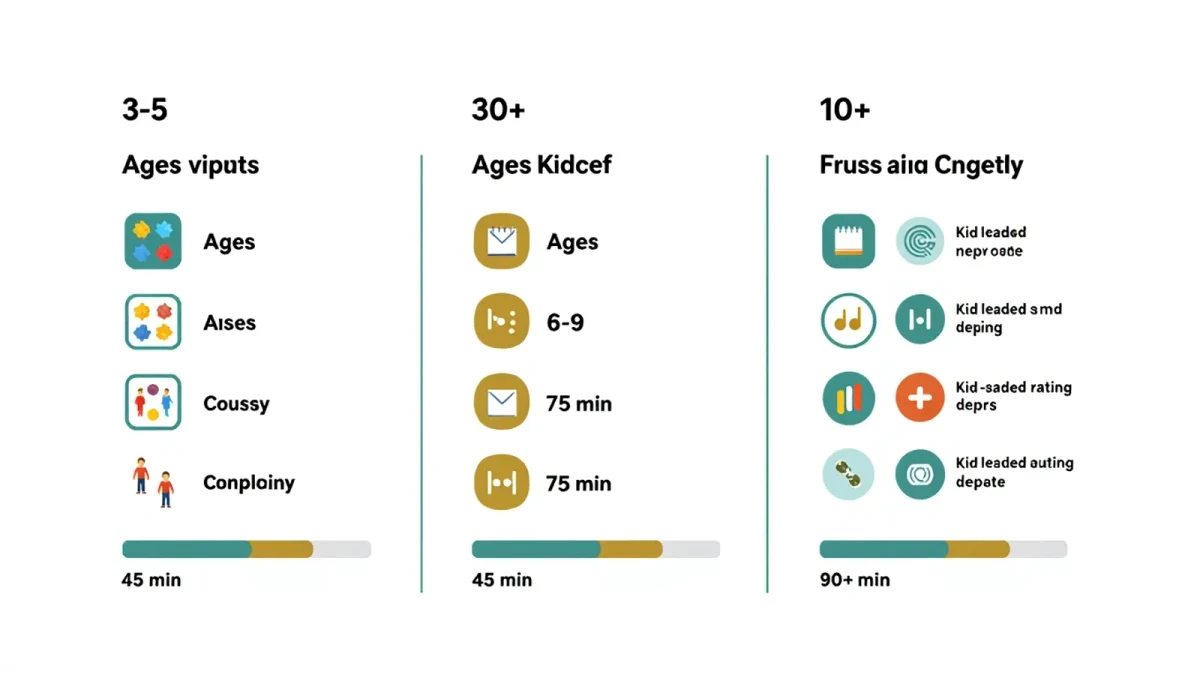
Use this rough guide and subtract fifteen minutes on a crowded day:
| Age | Good visit length | Best format |
|---|---|---|
| 2–3 | 30–45 minutes | Hands-on children's area only |
| 4–5 | 45–60 minutes | One gallery plus play zone |
| 6–9 | 60–90 minutes | Two galleries, a scavenger-hunt sheet |
| 10 and up | 90–120 minutes | Child picks the wing, audio guide optional |
Watch for the early signals of overload — speed-walking, silliness escalating, requests to be carried — and exit before the meltdown. A good ending is the whole strategy.
What do you actually do inside?
Ask questions instead of delivering facts. "What does that look like to you?" works better than any wall text. Play "find the strangest thing in this room," count animals in a painting, or invent a story about one object. Museum educators call this inquiry-based looking, and it is the backbone of every school tour your child will ever take.
Sketching is magic for restless kids: standing still feels like a chore, but drawing gives standing still a purpose. One object, five minutes, done.
How much does it cost — and how do you find free days?
Admission varies wildly, from free at many public institutions to $25 or more per adult at large city museums. Before you pay full price, check three things: free-evening hours, library pass programs (many public libraries lend museum membership passes), and reciprocal benefits on membership cards you may already hold. Bank of America's "Museums on Us" program, for example, has offered cardholders free general admission at participating museums on the first full weekend of the month for years.
What if the first trip goes badly?
Then you had a bad forty minutes, not a bad museum career. Wait a few weeks, choose a different museum style — interactive instead of quiet, small instead of grand — and try again. Consistency matters more than perfection: families who visit museums even a couple of times a year tend to raise kids who see museums as normal places, not special-occasion fortresses.
Which type of museum should you choose first?
Match the museum to your child's current obsession, not to your own taste. Dinosaur-obsessed preschoolers belong in natural history; train lovers in transport or science museums; kids who narrate stories to their stuffed animals in history museums with dioramas. Science centers and children's museums are the safest universal first stop because nearly everything is designed to be touched, and touching is how young children learn that a place is for them.
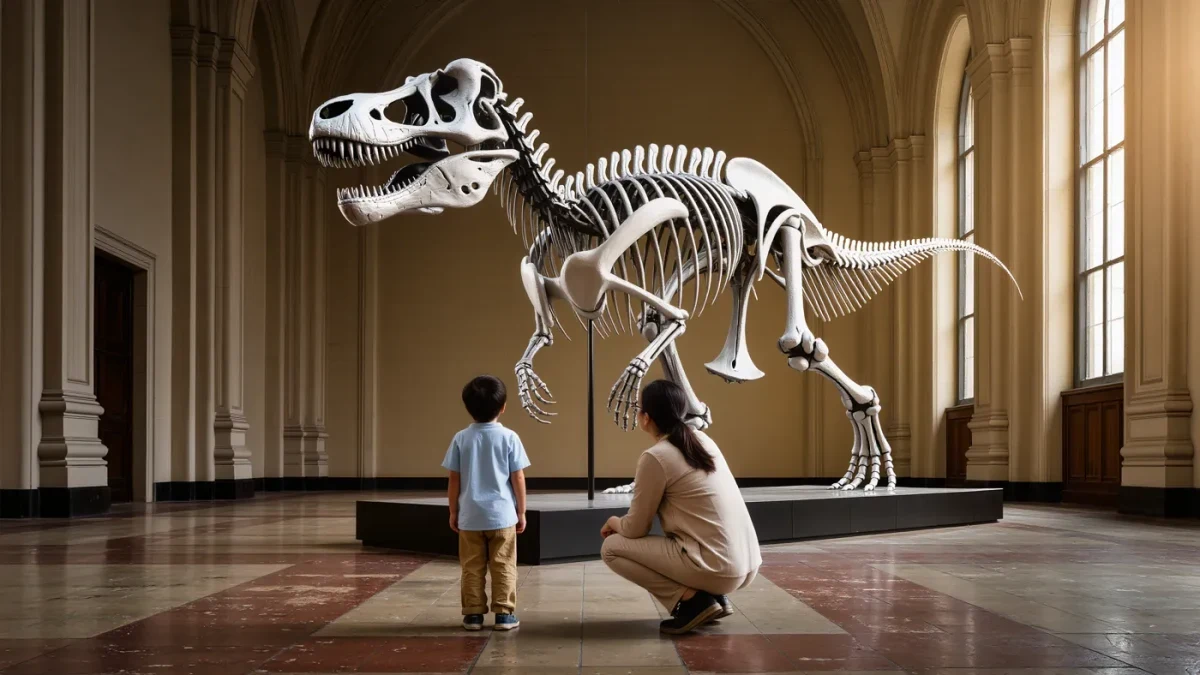
Save the grand, quiet, marble-heavy institutions for visit two or three, once your child has museum legs. A small local museum with one great room beats a famous one with eleven exhausting wings, and small museums often have the friendliest staff, with more time to answer a six-year-old's questions about armor or mummies or why the whale skeleton is hanging from the ceiling.
How do you handle food, snacks and the gift shop?
Eat before you enter, because a hungry child in a no-food zone is a timer you can hear ticking. Most museums have a cafe, but prices run high; many allow picnics in designated areas or on the grounds, which is worth checking when you plan. Pack a snack for immediately after the exit and treat it as the official debrief station: sit on a bench, review favorite things, refill everyone's mood.
The gift shop deserves a policy decided at home, not negotiated at the register. Popular options: a small budget the child can spend freely, where a postcard counts and costs almost nothing; a one-item rule for special trips only; or a clean skip with a playground stop instead. Whatever you choose, decide out loud in the car so the shop is not the boss of your afternoon.
Talk about the trip on the way home and again at dinner. Retelling cements memory, and the story your child tells becomes the trailer for the next visit.