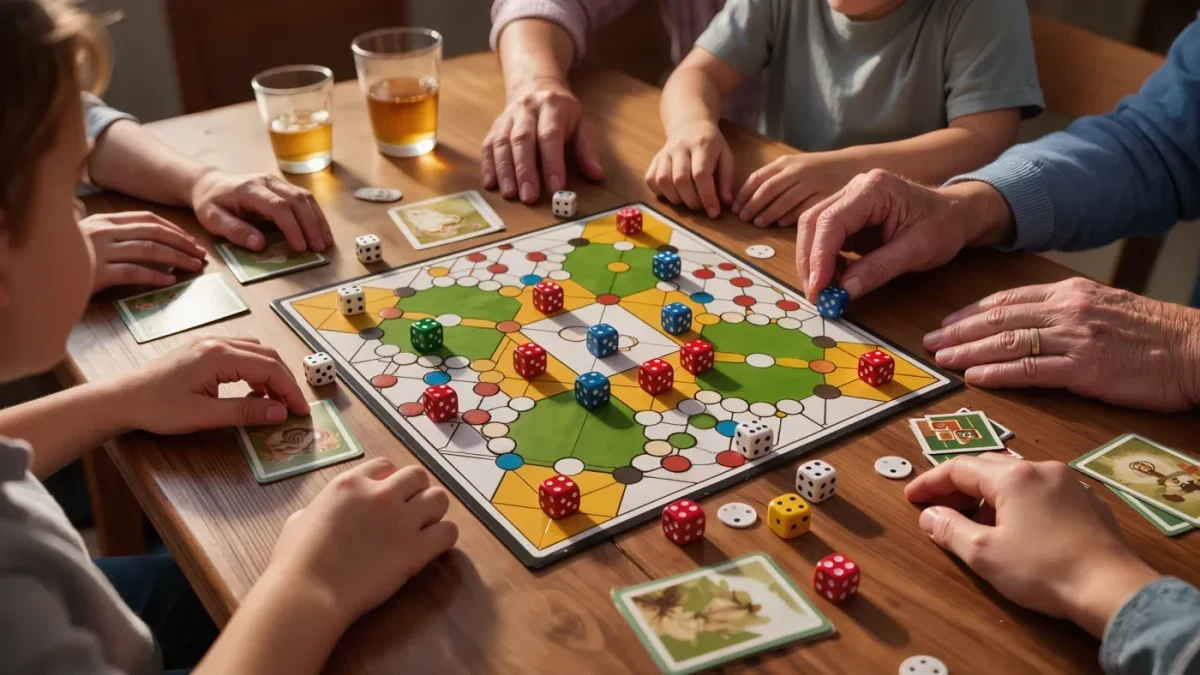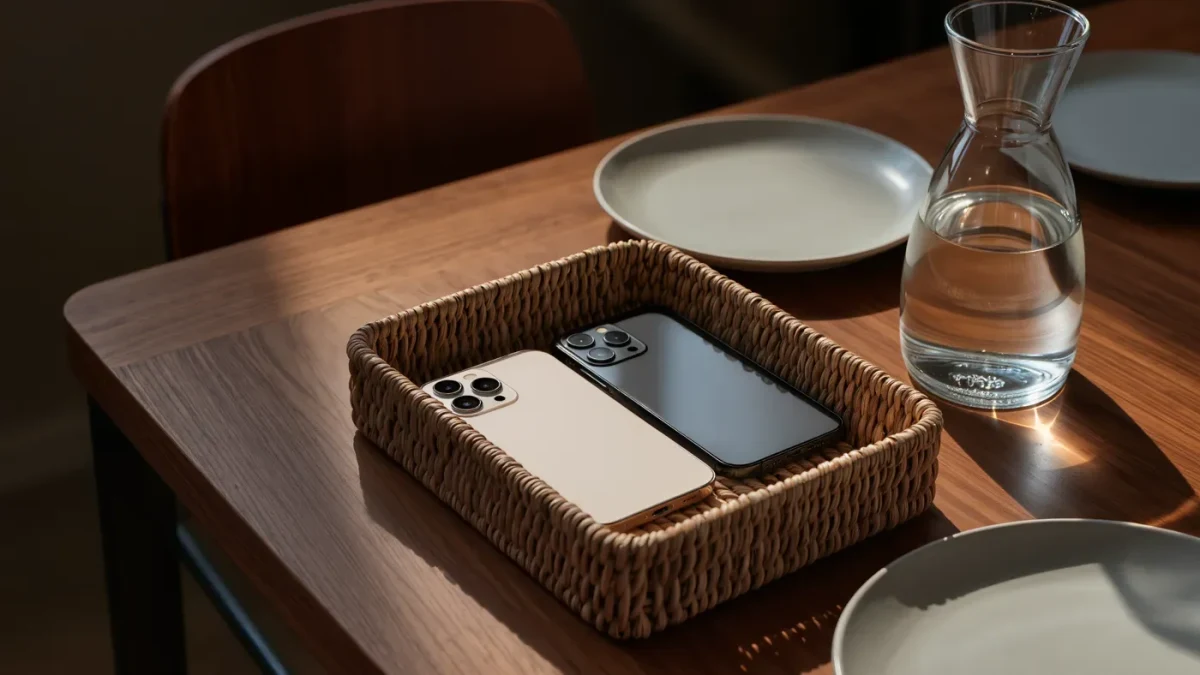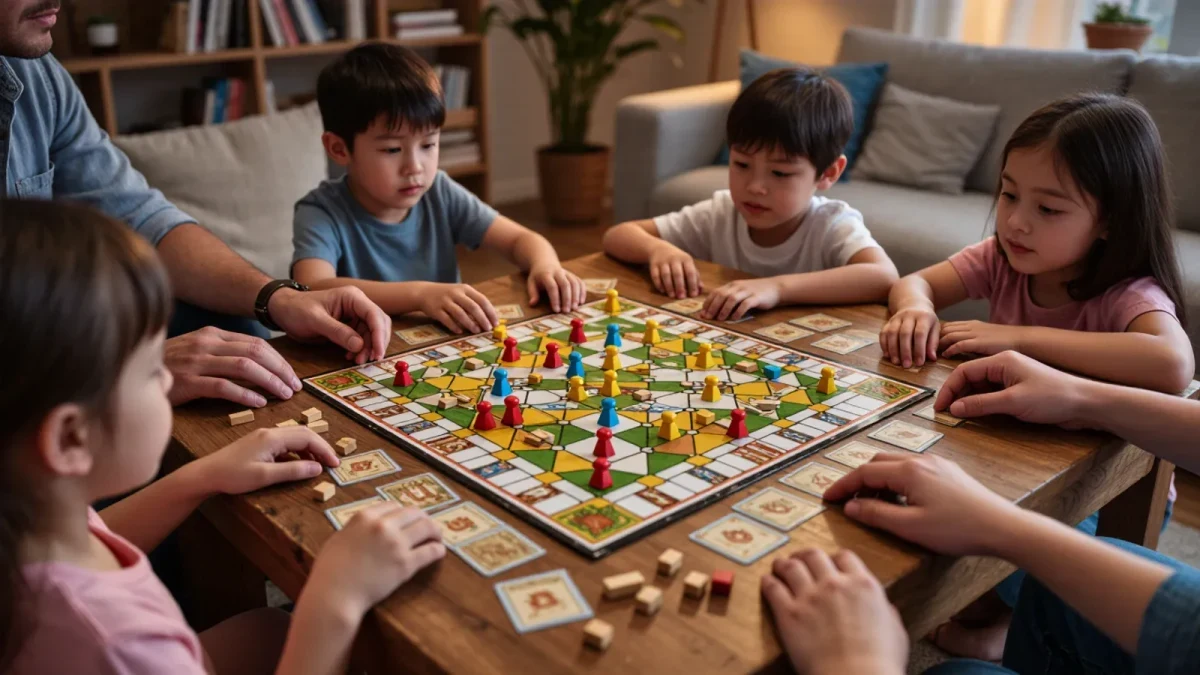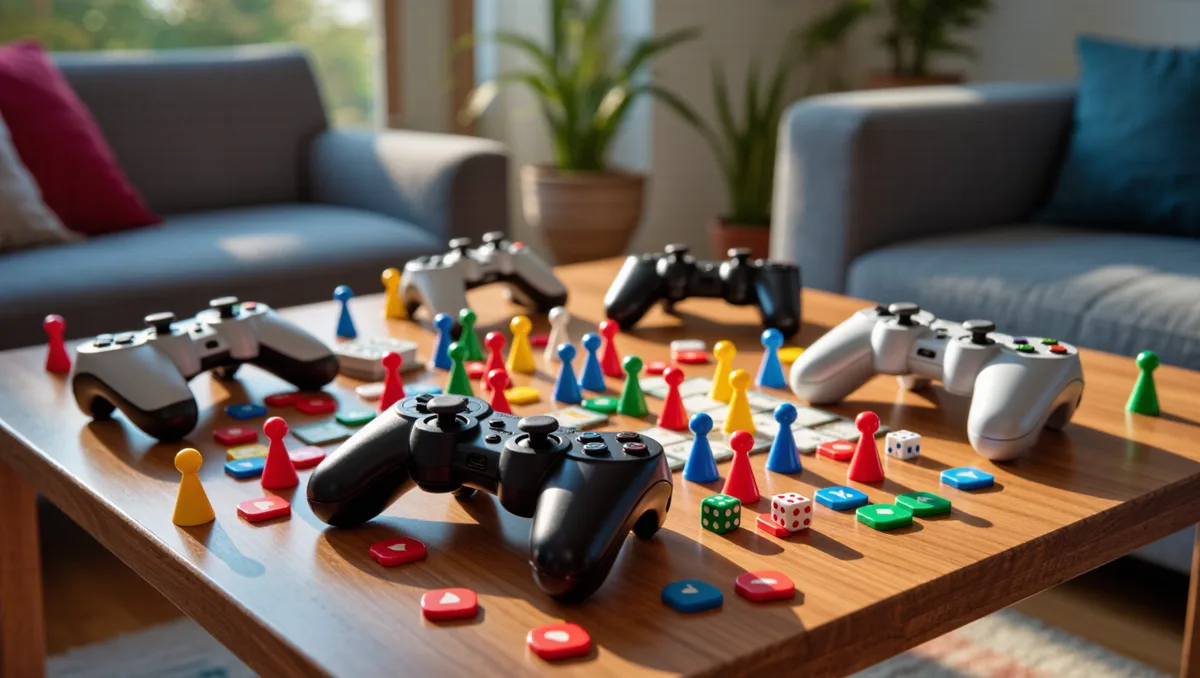
A multigenerational game night succeeds on one rule: everyone at the table must be able to cause something to happen. The moment Grandpa is just watching the kids play, or the kids are eliminated in round one and left staring at their phones, the evening stalls. The fix is game selection, team structure, and pacing designed around mixed ages — and it is easier than it sounds. Here is the playbook, from picking the right titles to keeping an eight-year-old and an eighty-year-old equally hooked.
What makes a game work for all ages?
Three features show up in almost every game that survives a mixed-age table. Look for all three when you shop or raid the closet.
- Team play: pairing a grandparent with a grandkid turns skill gaps into collaboration instead of humiliation.
- Knowledge that spans generations: picture-based clues, general trivia with mixed categories, or wordplay that rewards vocabulary rather than speed.
- Short rounds: ten-minute games let people rotate, take breaks, and never sit out for long.
Games that demand fast reflexes, sharp eyesight under dim light, or hours-long strategy tend to exclude someone. Save those for same-age sessions.
Which game categories fit best?
Think in categories rather than specific boxes — every family's shelf is different, and new titles appear constantly. The reliable buckets are below.
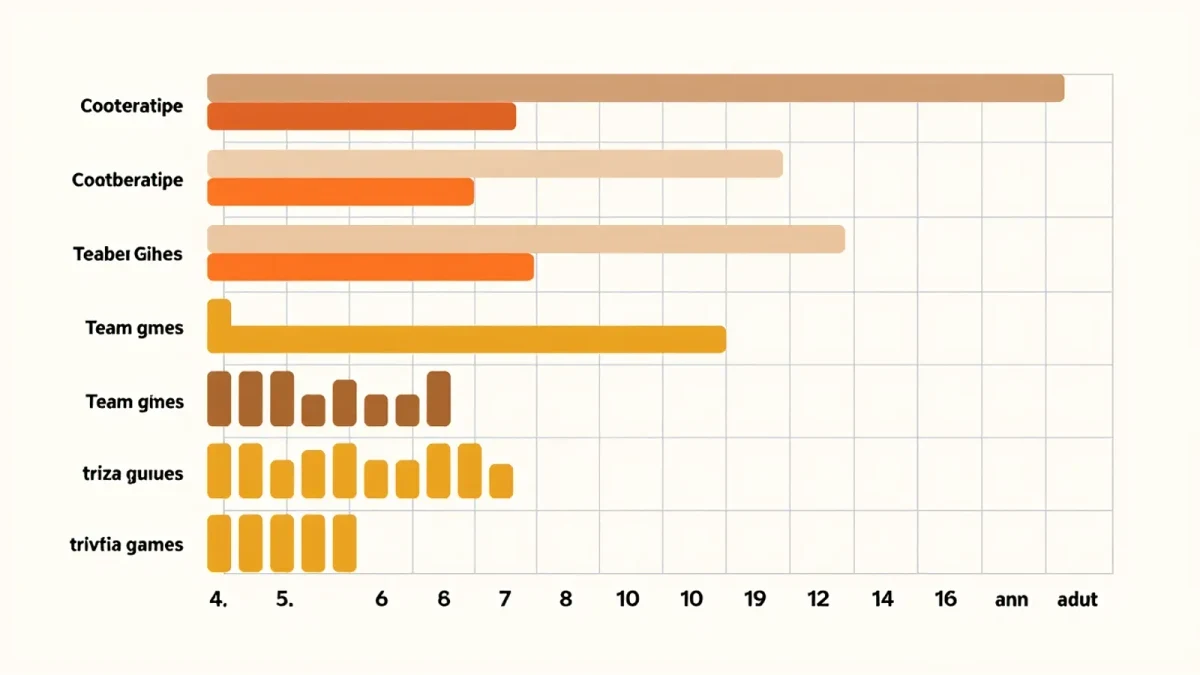
| Category | Why it works | Best for ages |
|---|---|---|
| Cooperative board games | Everyone wins or loses together against the game | 6 and up, all adults |
| Team guessing and charades-style | Mixes acting, describing, and guessing across teams | 8 and up |
| Card games with house rules | Familiar to elders, simplified for kids | 5 and up |
| Bingo and lottery-style games | Zero skill gap, pure suspense | 4 and up |
| Trivia with mixed categories | Older eras and new pop culture both score points | 10 and up |
| Simple dice games | Luck-driven, fast, playable one-handed | 5 and up |
How do you handle big skill gaps?
Handicap openly and without apology. Let younger players go first, act out the easy cards, or roll two dice and keep the better one. Pair teams deliberately: one adult or teen with one elder and one child keeps every trio balanced. Rotate partners between rounds so nobody is stuck carrying — or being carried — all evening. The goal is a final score nobody remembers, not a champion.
What about accessibility for older players?
Small logistics choices keep grandparents comfortably in the game. Light the table well — card text and small boards punish dim rooms. Choose games with larger pieces or print a big-type score sheet if handwriting is shaky. Build in standing breaks every forty-five minutes, and prefer seated formats over anything that needs the floor. Ask directly what would help; most people would rather answer one question than struggle quietly.
How long should the night run?
Ninety minutes to two hours is the sweet spot for most families. Structure it like a variety show: one warm-up round of something luck-based, one longer featured game, then a closer that anyone can win. Announce the plan at the start — knowing there is an end time keeps tired players from fading, and gives kids a countdown they can accept. Snacks at the midpoint double as a natural intermission.
Should the kids pick any of the games?
Yes, and make it official. Give each generation one pick per night: a grandparent's classic, a parent's choice, and whatever the kids are obsessed with this month. Kids' picks often involve screens or rules that mystify adults — playing them anyway, badly and with good humor, is half the charm. Elders teaching their old favorites works the same magic in reverse.
What snacks and setup help?
Keep food finger-safe and greasiness-free: anything that can be eaten with one hand and will not wreck a card deck. Set the table before guests arrive, clear a second surface for drinks, and assign a scorekeeper who is not also a player when the group is large. Background music low or off — a room full of cross-generational trash talk needs no soundtrack.
How do you turn one night into a tradition?
Pick a fixed rhythm — first Sunday of the month, every holiday eve, whatever survives your calendars — and keep a running trophy, silly crown, or bragging-rights list that passes between generations. Rotate who hosts and who picks the featured game. Traditions stick when they are easy and slightly competitive, and a standing game night is the rare ritual that a six-year-old and an eighty-six-year-old will both ask about if you skip it.
What if the group is very small or very large?
Two generations and four people still make a night: cooperative games and head-to-head card duels scale down naturally, and a best-of-three series adds the drama a bigger crowd would have supplied. For crowds of ten or more, split into stations — a quiet table for cards and dominoes, a loud corner for charades-style games, and a snack station between them — then rotate groups every half hour so everyone plays with everyone. Station nights also let tired players sit one rotation out without leaving the room.
The bottom line
Choose games with team play, mixed-knowledge fun, and short rounds. Handicap the skill gaps, light the room well, cap the night at two hours, and give every generation a pick. Do that, and the game box becomes the least expensive cross-generational entertainment your family will ever own.