The first movie theater trip is ready to happen when your child can sit through a full feature at home, tolerate loud sound, and follow simple public-behavior rules — usually somewhere between ages 3 and 5, but age alone is a poor guide. Some three-year-olds sail through a ninety-minute animated film, while some six-year-olds are done at minute forty. Readiness signs are far more reliable than birthdays, and you can test most of them in your living room this weekend.
What readiness signs should you look for?
Watch for a cluster of behaviors rather than a single skill. The clearest signals look like this:
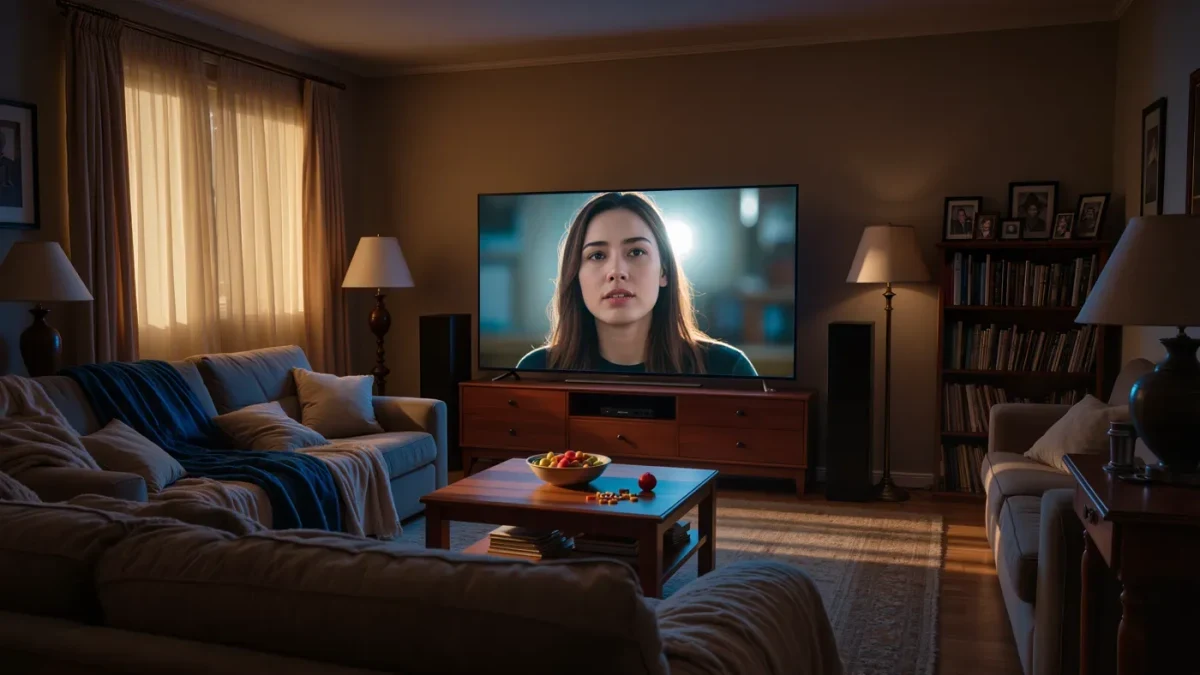
- Sitting through a full film at home: roughly 75–90 minutes with normal pauses, not fifty viewings of the first twenty minutes.
- Understanding "whisper voice" and staying seated: the two core theater manners.
- Tolerating loud, sudden sound: vacuum cleaners, fireworks on TV, and thunder are decent proxies.
- Handling darkness: a child who needs lights on at bedtime may find a dark auditorium scary at first.
- Expressing needs in words: "I need the bathroom" said early beats an emergency at the climax.
If four of five are in place, buy the tickets. If two or more are missing, wait a season and retest — there is no prize for going early.
Does the AAP say anything about screens and age?
The American Academy of Pediatrics recommends limiting screen use for preschool children to about one hour per day of high-quality programming, and a single movie outing does not violate that pattern — daily habits matter more than one special event. The AAP also encourages watching together and talking about what kids see, which a theater trip naturally provides. In short: the guidance is about everyday routines, not about banning the big-screen experience.
Which movie should the first one be?
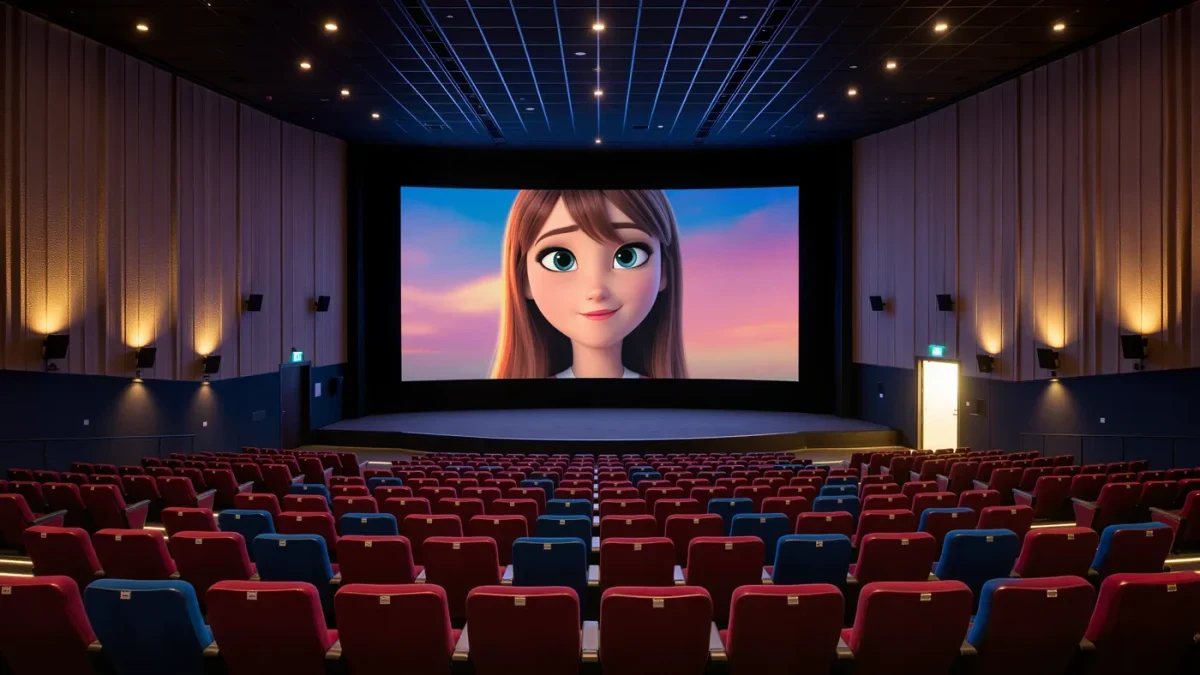
Pick a film your child already knows or one based on a familiar book or character. Familiarity lowers the fear factor and keeps attention anchored. Length matters too: aim for 90 minutes or under, skip intense 3D for a first outing, and check a review site's content notes for scary scenes. A matinee of a gentle animated comedy is the classic first-timer's choice for good reason.
What are the best seats and showtimes for beginners?
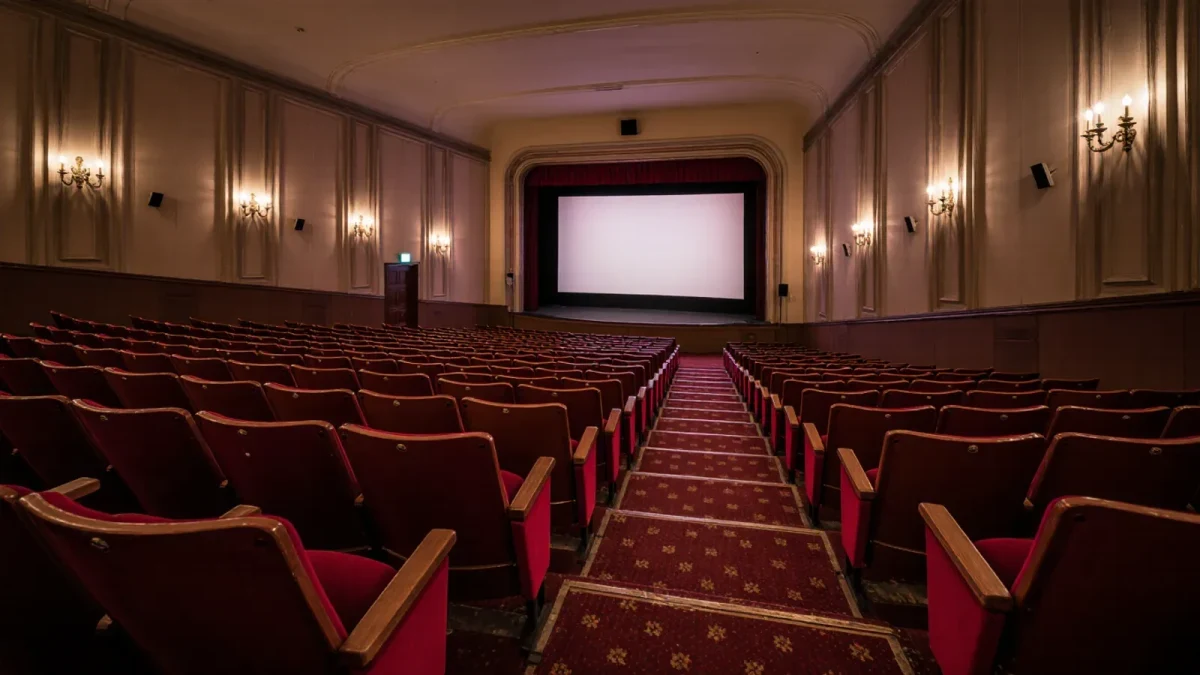
Choose a weekday matinee or the first weekend show, when auditoriums are quieter and full of other kids who will not judge a loud question. Sit near the aisle and about two-thirds back — close enough that the screen feels big and fun, near enough to the exit for a fast retreat. Some theaters also run sensory-friendly screenings with lowered volume and raised house lights; those are excellent training-wheels showings for cautious kids.
| Readiness check | How to test at home | Passes if... |
|---|---|---|
| Sitting span | Watch a full movie with one bathroom break | They stay engaged most of the runtime |
| Sound tolerance | Play a movie at theater-ish volume | No hands over ears or distress |
| Theater manners | Practice whisper voices during a show | They can hold it for 20+ minutes |
| Darkness comfort | Dim the room during the film | No fear reaction |
What should you pack for the big day?
Keep it simple: a light snack from home if the theater allows outside food for allergy needs, a small comfort item that fits in a pocket, and a jacket because auditoriums run cold. Skip the giant drink — a mid-movie bathroom sprint is the most common early exit. Arrive twenty minutes early so you can walk in slowly, explore, and settle before the lights drop.
What if it goes badly?
Have a graceful exit plan and use it without drama. If your child is scared or restless after thirty solid minutes of trying, step out to the lobby, walk around, and decide together whether to go back in. Leaving early is not a failure — it is data, and it teaches your child that you respond to their signals. Nearly every family has one abandoned first attempt and one triumphant second one.
How do you set up the trip for success?
Talk through the plan beforehand: what the theater is like, that it gets dark, that people whisper, and that you can leave any time. Frame it as an adventure with a known map. Afterward, debrief on the walk home — the American Academy of Pediatrics emphasizes co-viewing and conversation as the healthiest way for young children to engage with screens, and that habit starts on day one.
Is a dress rehearsal a good idea?
A practice run builds both skills and excitement. One weekend, dim the living room, put phones away, and watch a full-length film together with only one pause allowed — treat it like the real event, whisper voices and all. Talk about the plan over breakfast that week: the lights will go down, the sound will be big, and there is a bathroom right outside the door if needed. Kids who know the script in advance walk in curious instead of anxious, and parents who have rehearsed know exactly which skill still needs work.
The takeaway
Readiness is about attention, sound tolerance, and manners — not a birth certificate. Test the skills at home, pick a short familiar film, choose a quiet matinee, sit near the aisle, and keep the exit door open, literally and figuratively. Do that, and the first movie becomes a core memory instead of a cautionary tale.