Weekly family traditions that stick share three traits: they are short, they attach to something already in your schedule, and they survive a chaotic day without collapsing. The rituals that fade are the ambitious ones — the elaborate Sunday dinner that takes four hours, the craft night that needs forty dollars of supplies. Families who keep traditions for years almost always run something under sixty minutes, on the same day every week, that any adult can execute while tired. Here is how to design rituals with that DNA.
Why do most family traditions fade out?
Rituals die of friction, not of boredom. If a tradition requires a store run, a clean house, or all three children in cooperative moods, one bad week breaks the streak — and a broken streak is psychologically hard to restart. Researchers who study family routines consistently find that the health benefits of shared rituals come from their regularity and predictability, not their size. In other words, a fifteen-minute pancake breakfast every Saturday outperforms a quarterly production.
What is the formula for a tradition that lasts?
Use four tests before committing to any weekly ritual:
- The twenty-minute test: can it happen, start to finish, in about twenty minutes when needed?
- The anchor test: does it attach to an existing weekly rhythm — a specific meal, a school night, a weekend morning?
- The sick-day test: can a tired or absent parent run it, or skip it once without guilt?
- The kid-agency test: do children get a real role, not just attendance?
If a candidate ritual passes all four, it has the structure of a keeper. If it fails two, redesign it before launching.
Which weekly traditions work best?
The most durable traditions tend to cluster around food, screens, conversation, and play. A few proven formats:
| Tradition | Typical length | Why it sticks |
|---|---|---|
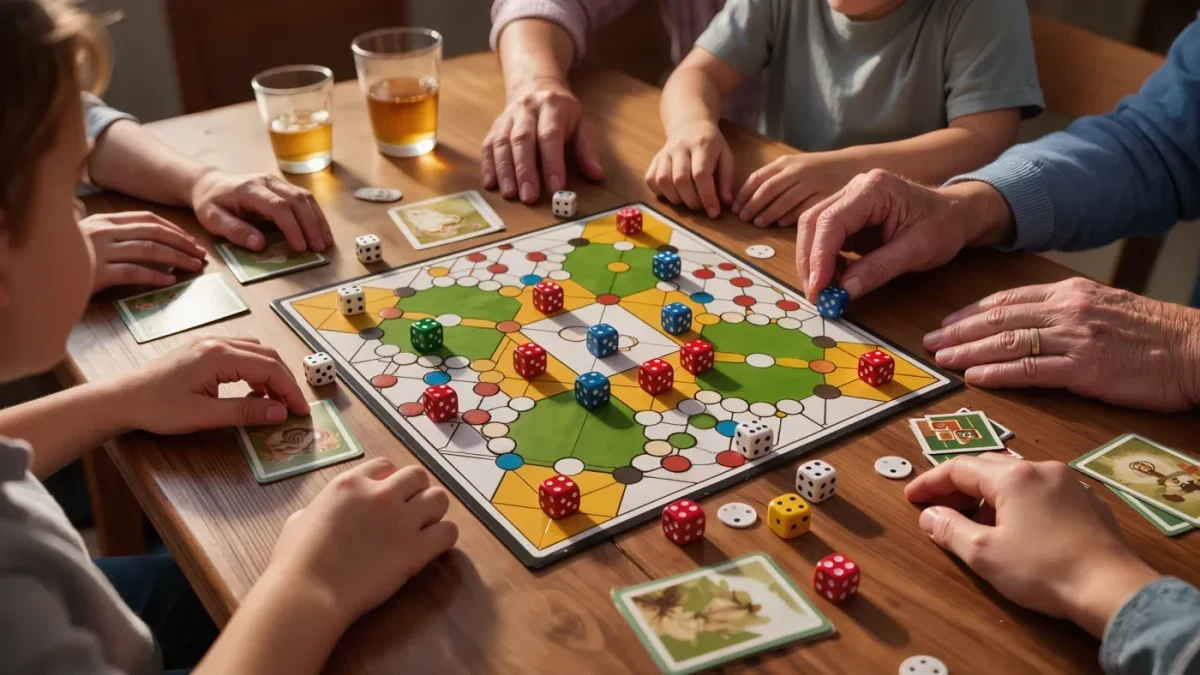
| Friday pizza-and-movie night | 90 min | Zero cooking effort, fixed weekday slot |
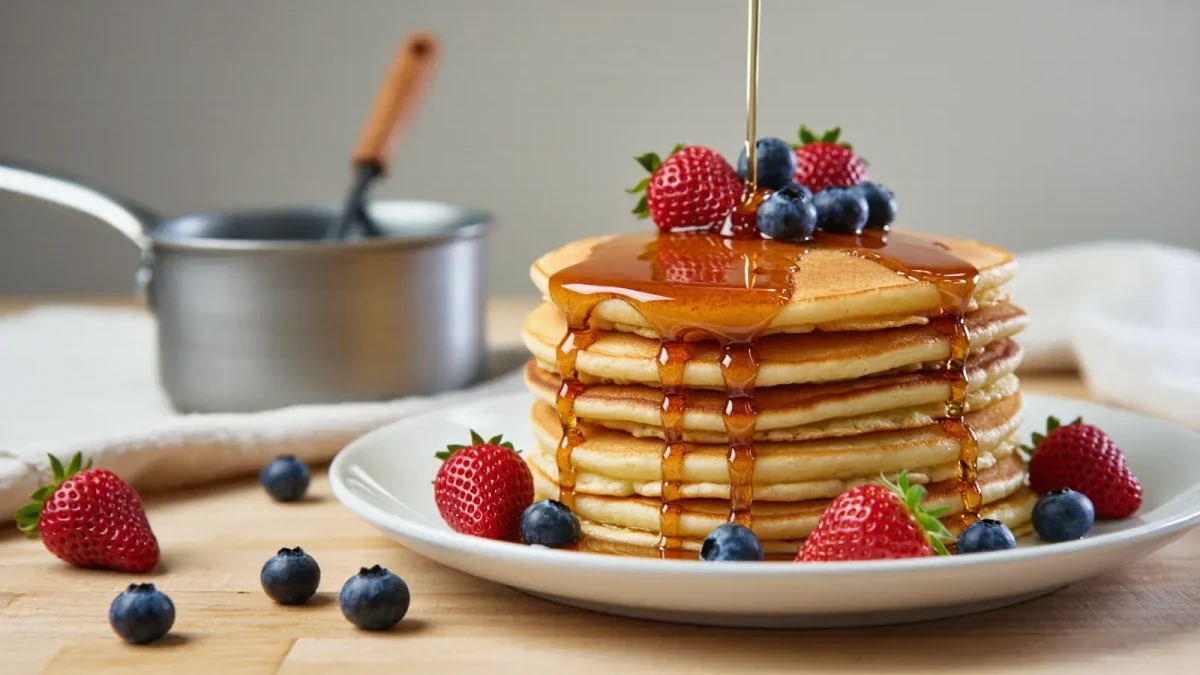
| Sunday pancakes | 45 min | Kids can help; smells become memory |
| Two-question dinner | 10 min | Adds ritual to a meal you already have |
| Weekend walk with the dog | 30 min | Anchored to a pet's needs, not willpower |
| Saturday-morning playlist | 20 min | Everyone gets DJ minutes; zero setup |
| Sunday preview meeting | 15 min | Calendar check dressed up as family time |
Notice how many of these piggyback on obligations you already have — meals, dog walks, the calendar review you would do anyway. That is the anchor test in action.
How do you start one without overpromising?
Announce it as an experiment, not a constitution. Say you are trying Saturday pancakes for four weeks and will decide together whether to keep it. Run it small: one recipe, no themed toppings, paper plates allowed. Keep the bar so low that a hard week still counts — cereal-for-dinner pizza night is still pizza night. Traditions earn their rituals over months; they do not start with them.
How do you keep kids invested?
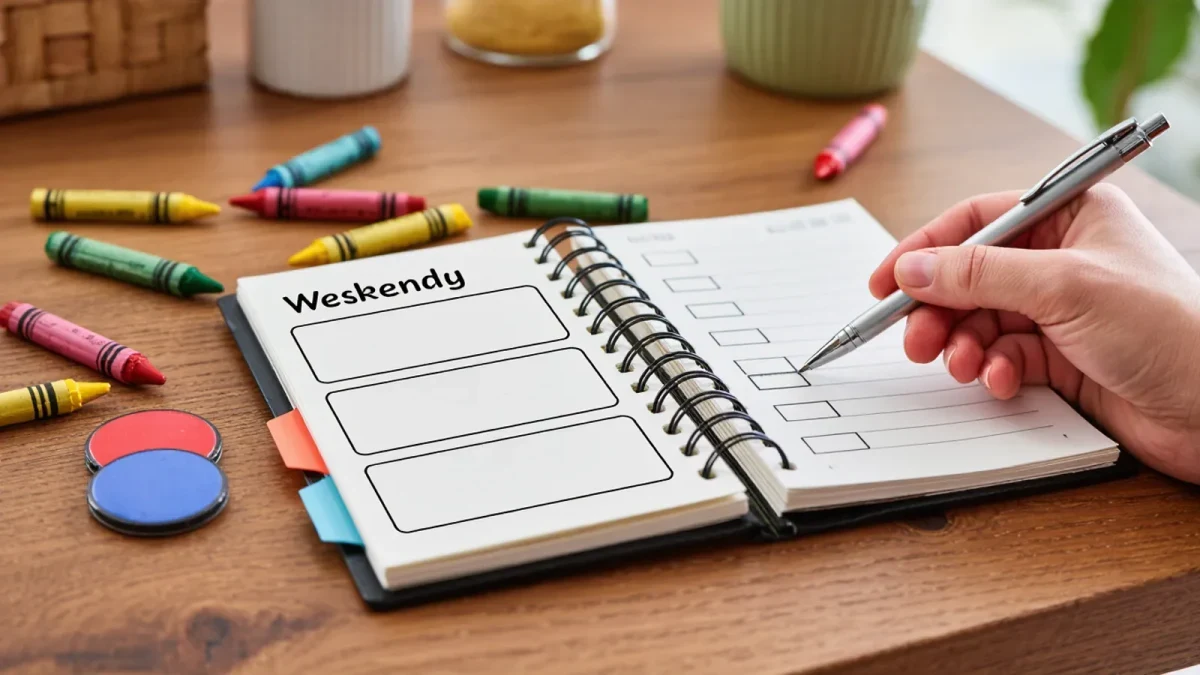
Give them rotating jobs with real stakes. A child who picks the movie, flips the pancake, or calls the first trivia question is an owner, not an audience member. Rotate a visible role weekly — a checklist on the fridge works — and let the kids name the tradition. A family that calls it "Waffle Saturday" because a five-year-old coined the phrase will defend that tradition more fiercely than any parent could.
What happens when a week gets missed?
Miss it, say so, and move on — the streak is not the point, the average is. Research on family routines ties their value to the overall pattern of predictability, and one skipped Saturday changes nothing. What kills rituals is the guilt-driven all-or-nothing restart: skipping twice, deciding the tradition is dead, and quietly retiring it. A simple "we missed it this week, same time next week" keeps the thread unbroken.
How do traditions change as kids grow?
Plan for the pivot instead of resisting it. Around age ten, kids want friends included — build a standing plus-one rule. In the teen years, shorten the time and shift later in the evening, when teens are naturally awake and more talkative; a ten-minute shared snack at 9 p.m. often outperforms a 6 p.m. dinner. When kids leave home, convert the ritual rather than canceling it: the same Sunday call, the same two questions, now over video. Traditions that flex survive decades; traditions that fossilize survive only until middle school.
Why do these small rituals matter at all?
Because predictability is a quiet form of care. The American Academy of Pediatrics describes consistent family routines as supportive of children's sense of security and adjustment, especially during stressful periods. A weekly marker a child can count on — pizza on Friday, pancakes on Sunday — tells them the family clock is running reliably even when everything else is chaotic. That reassurance costs twenty minutes, which is the best deal in parenting.
The takeaway
Pick one small ritual, anchor it to something you already do, run it as a four-week experiment, and let the kids own a piece of it. Protect the average, not the streak. Do that, and in a year you will have a tradition your family refers to by name — the surest sign that it stuck.