Road trip entertainment for kids is not one-size-fits-all: a game that keeps a ten-year-old happy will bore a toddler in ninety seconds, and vice versa. The trick is matching activities to attention spans, which range from roughly ten minutes for a two-year-old to a couple of hours for a preteen with a good audiobook. Below is a stage-by-stage kit that has saved many miles of backseat whining, plus a few ground rules that make any drive smoother.
Why does age matter so much for car activities?
Attention span grows with age, and so does tolerance for sitting. The American Academy of Pediatrics notes that young children learn best through play and hands-on interaction, which is why a stack of flashcards can outperform an app for a preschooler. Older kids, meanwhile, can follow multi-step games and long stories. Planning around those limits — instead of fighting them — is the difference between a peaceful drive and a rolling meltdown.
What works for toddlers (ages 1–3)?
Think short, physical, and repeatable. Toddlers love novelty, so rotate a small bag of surprises rather than dumping everything out at mile five.
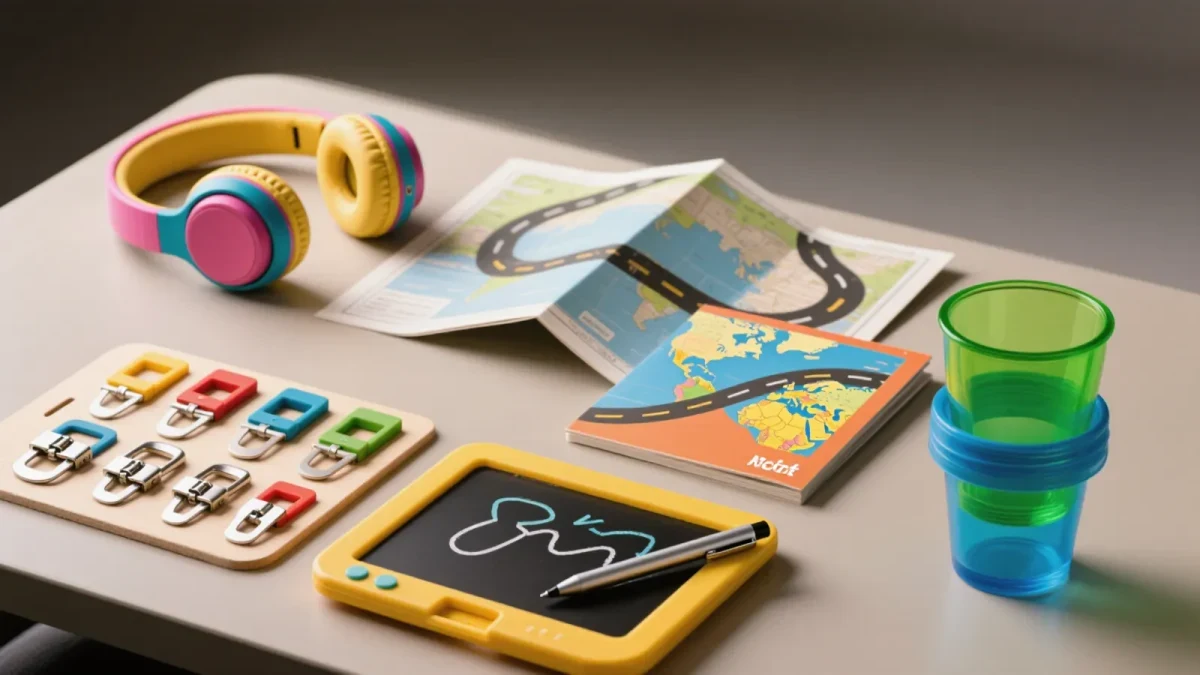
- Busy boards and buckles: anything with zippers, snaps, and latches buys ten quiet minutes at a time.
- Peekaboo scarves and suction toys: they stick to the window and double as a view-blocker game.
- Snack ladders: string cereal on dry pasta or serve finger foods in a muffin tin lid — eating becomes the activity.
- Familiar music: the same six songs on repeat is soothing, not boring, at this age.
Plan a stop every two to three hours. A fifteen-minute leg stretch at a rest area resets everyone's mood, and it is easier than managing a cranky toddler at hour four.
What keeps preschoolers busy (ages 3–5)?
Preschoolers are the sweet spot for simple verbal games and sticker books. They can follow rules now, but not for long stretches.
- License plate hunt: print a checklist of state plates and let them cross off finds.
- Story podcasts for kids: episodes of fifteen to twenty minutes fit their attention perfectly.
- Magnetic drawing boards: no dropped crayons, no melted markers.
- "I Spy" with colors: limit it to things inside the car for a calmer version.
Save one brand-new toy for the final stretch of the day. The surprise factor is worth more than the price tag.
What do school-age kids enjoy (ages 6–9)?
This is when classic car games come alive. Kids can read, count, and compete, so structured fun wins.
- Twenty Questions and the Alphabet Game: zero supplies, infinite rounds.
- Audiobooks as a family pick: a gripping middle-grade series makes hours disappear — and gives you things to talk about at dinner.
- Travel journals: a notebook plus a glue stick turns brochures and ticket stubs into a trip scrapbook.
- Mad Libs: still the champion of shared backseat laughter.
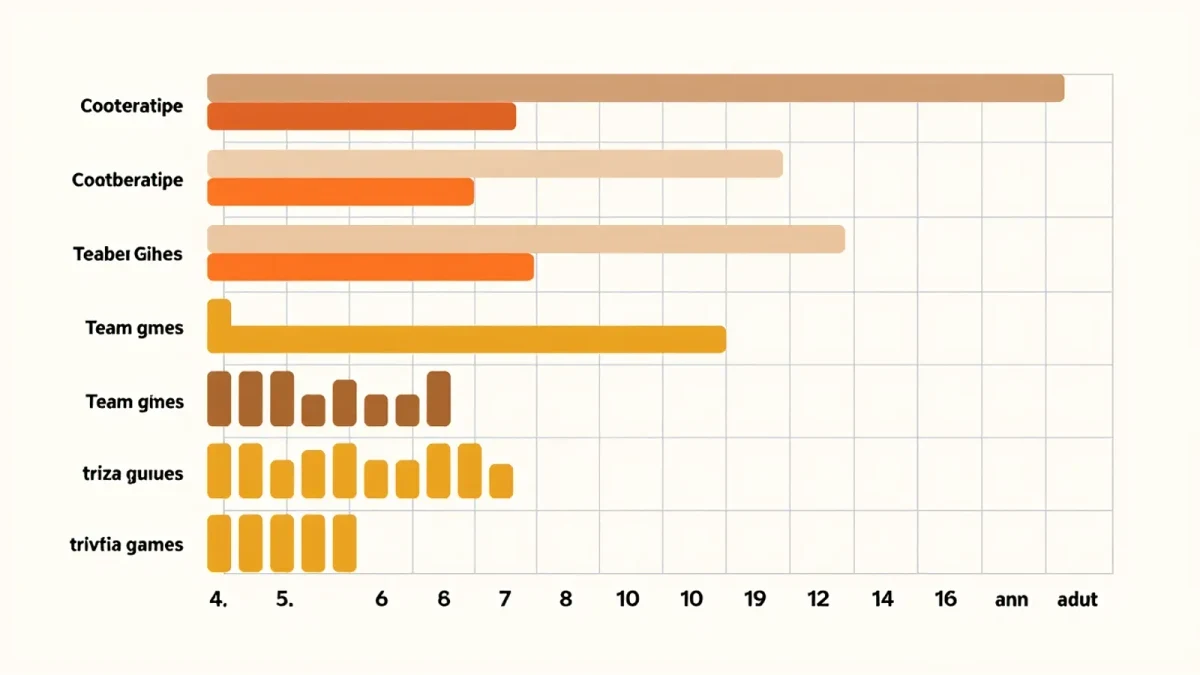
| Age | Best bet | Backup plan | Swap every |
|---|---|---|---|
| 1–3 | Busy board, snacks | Familiar music | 15–20 min |
| 3–5 | Sticker books, kids' podcasts | Color-based I Spy | 20–30 min |
| 6–9 | Car games, audiobooks | Mad Libs, journals | 45–60 min |
| 10–14 | Playlist DJ rotation, series audio | Trivia, road atlas | By chapter or album |
What about tweens and teens (ages 10–14)?
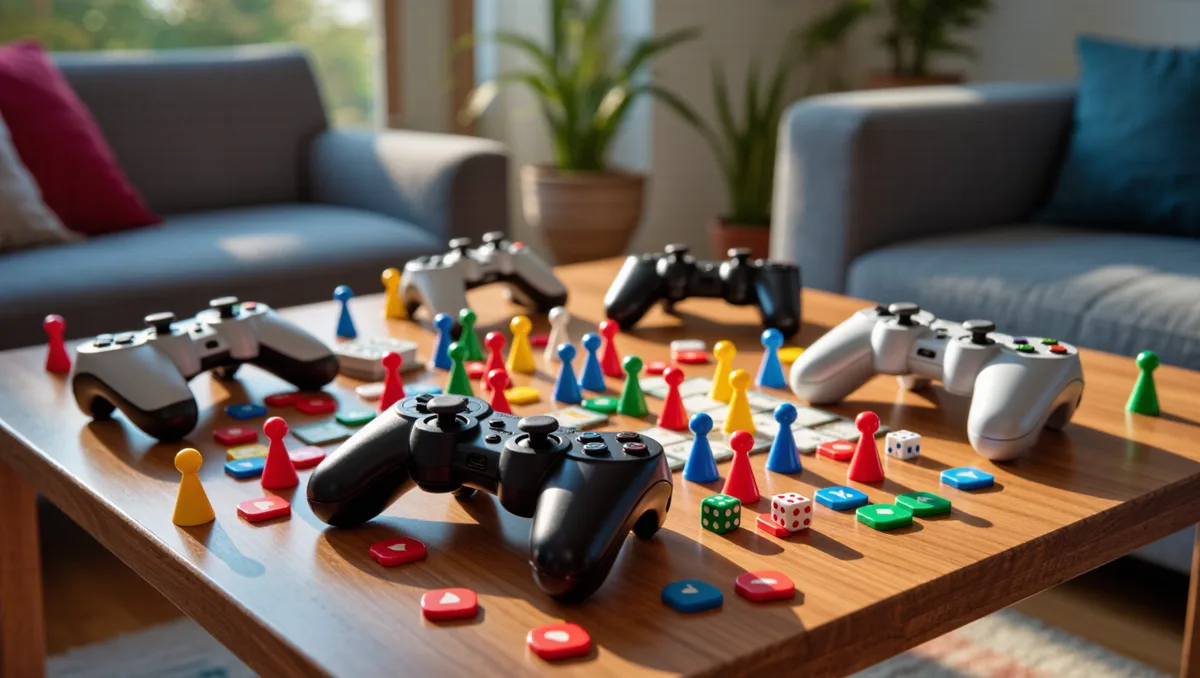
Older kids want autonomy, so give it to them. Let your tween build the family playlist — each person owns thirty minutes of DJ duty. Hand a real paper road atlas to a navigation-minded teen and let them co-pilot. Trivia apps played as teams, downloadable playlists for offline stretches, and a movie for the last hour of a long day all work well. The goal is making them a participant rather than a passenger.
How much screen time is okay on a long drive?
Most families relax usual screen rules on travel days, and that is a reasonable call — the American Academy of Pediatrics describes screen use during travel as one of the practical exceptions families can make, since limits matter most as an overall daily pattern rather than a single long drive. The smoother move is sequencing: active games and snacks first, audio in the middle, screens saved for the final hours when energy is lowest. Kids who know the plan complain less about it.
What should every family pack besides activities?
A few unglamorous items do heavy lifting on any road trip with kids.
- A trash bag and wet wipes: mess escalates fast in a moving vehicle.
- Refillable water bottles: spilled water is the friendliest possible car liquid.
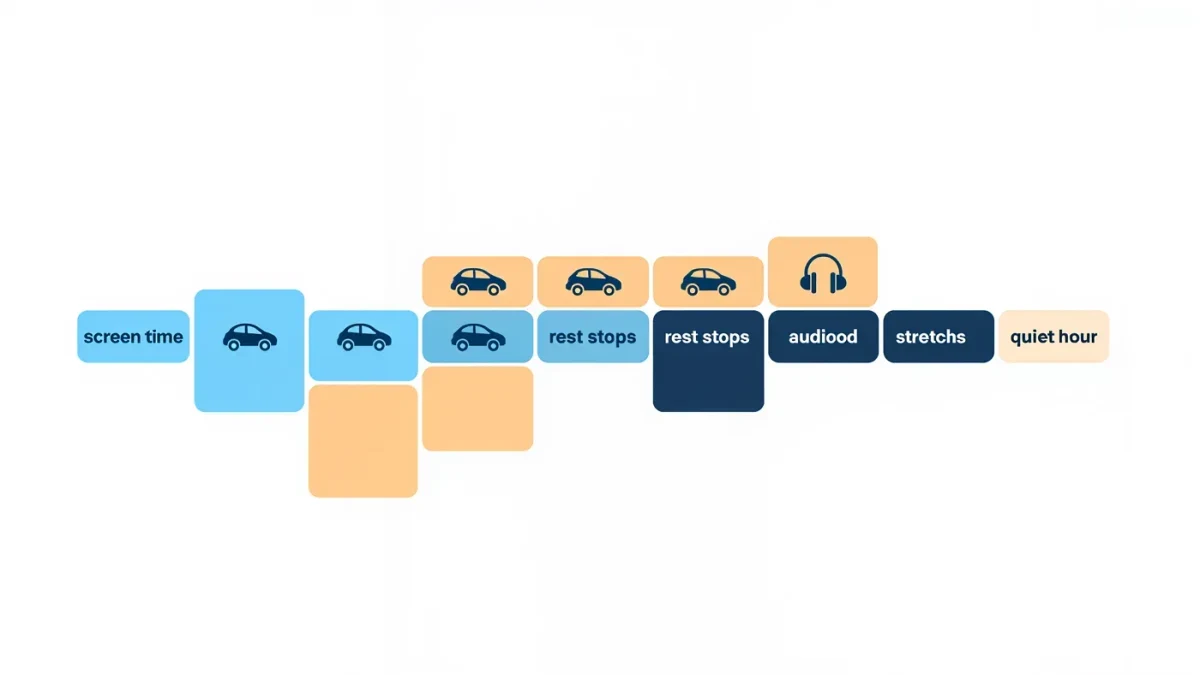
- A "first hour free" rule: no screens and no snacks for the first stretch — it sets a calmer tone.
- Motion sickness basics: forward-facing view, light snacks, and breaks matter more than any activity if a child gets queasy.
How do you keep the peace between siblings?
Give each child their own bag, their own headphones, and their own snacks — shared supplies are the number one trigger of backseat disputes. Seat-based DJ rights and rotating "picker" privileges for the next audiobook also cut arguments dramatically. When friction spikes, a scheduled stop beats arbitration every time.
The bottom line
Match the activity to the age, build in surprises, and sequence screens for the home stretch. A five-dollar busy board used at the right moment beats a fifty-dollar gadget used at the wrong one. Pack light, stop often, and let the drive be part of the vacation instead of the price of it.