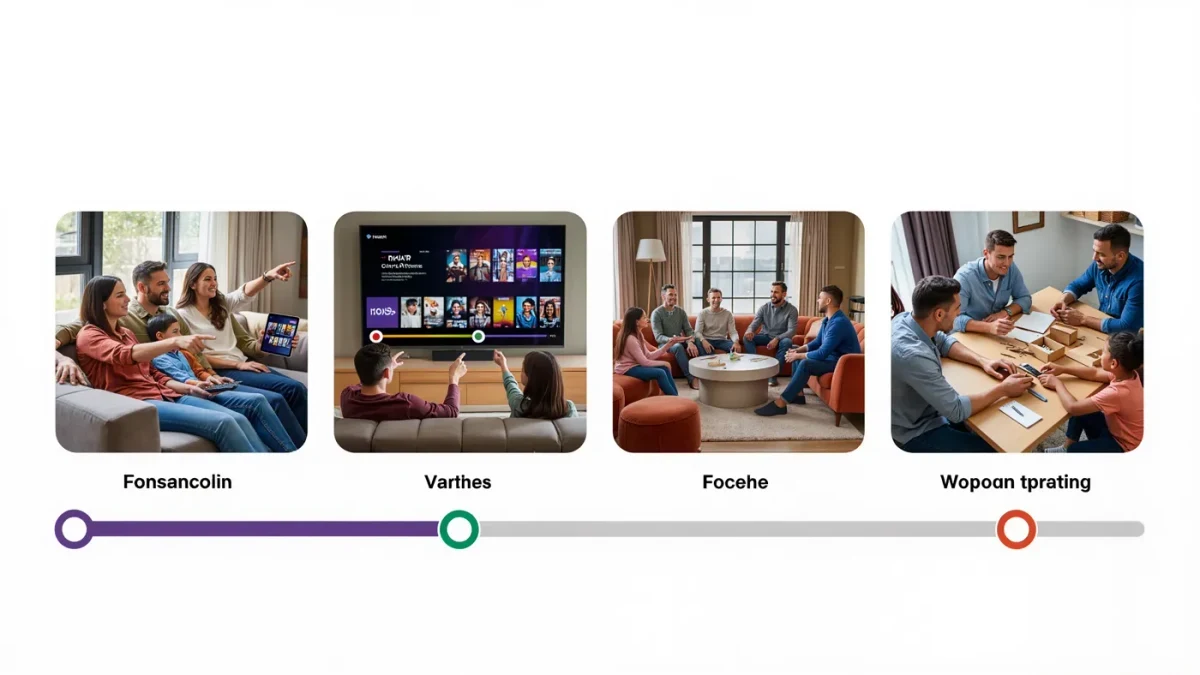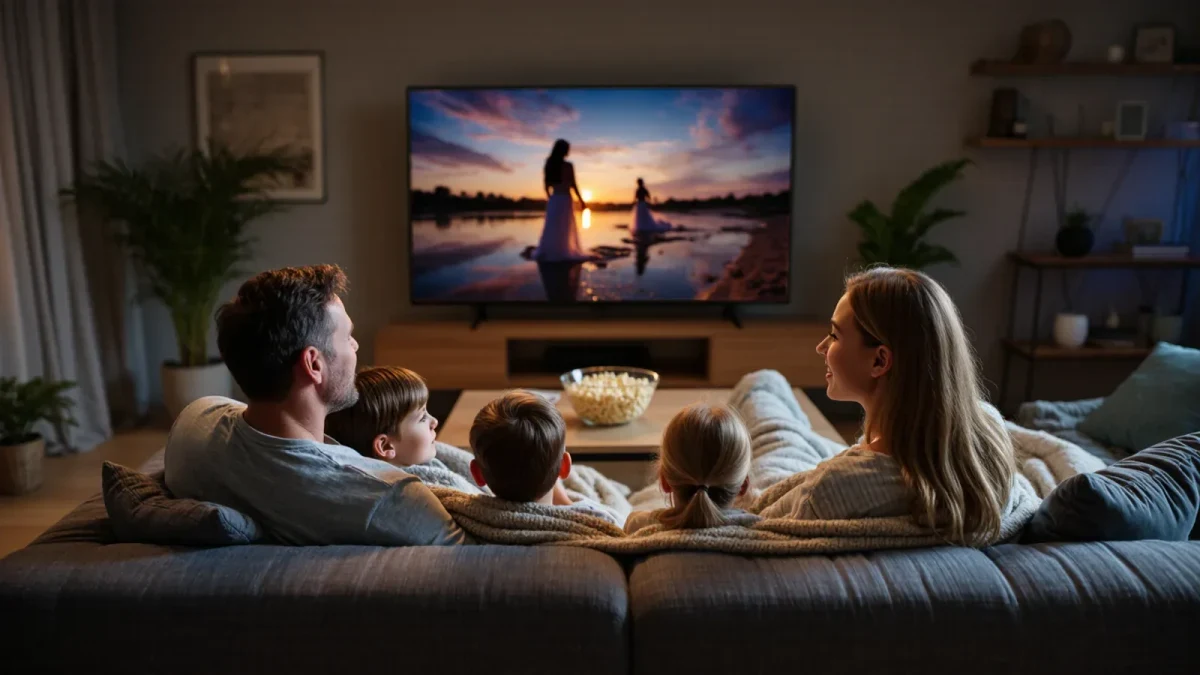
A great family movie night starts with matching the movie to your youngest viewer, not your oldest. The practical rule used by parents and librarians alike is simple: choose around the age of the youngest child, keep the runtime under 90 minutes for kids under 8, and let older siblings take turns picking the title so family movie night stays fair. The MPAA and TV Parental Guidelines ratings are your baseline filter, but age-appropriate family movies need more nuance than a single letter grade.
Why does the youngest child set the movie choice?
Because attention and tolerance spread downward, not upward. A 10-year-old can enjoy a gentle animated film made for a 5-year-old, but a 5-year-old cannot sit through a PG fantasy with loud battle scenes. When you pick above the youngest child's comfort zone, you spend the night pausing, explaining, or comforting instead of watching. Common Sense Media, which rates films for age appropriateness, suggests that intensity and peril matter more than runtime when parents judge readiness.
The flip side matters too. Movies aimed far below your oldest child's level invite eye-rolling and phone-checking. A age-tiered approach keeps everyone in the sweet spot.
What works for each age group?
Here is a practical table parents can reuse every week, built around typical developmental stages and common rating benchmarks.
| Age | Look for | Typical rating | Runtime ceiling |
|---|---|---|---|
| 2-4 years | Short episodes or 60-70 min films, slow pacing, no peril, familiar characters | TV-Y / G | 70 minutes |
| 5-7 years | Clear story, mild suspense resolved quickly, humor over action | G / PG | 90 minutes |
| 8-10 years | Adventure, light scares, heroes with real stakes | PG | 110 minutes |
| 11-13 years | PG epics, sports stories, heist and mystery films | PG / PG-13 | No strict limit |
| Teens | Let them pick within your family's PG-13 boundary; join in rather than judge | PG-13 | No limit |
How do you handle a big age gap between siblings?
Alternate picks week by week and post the rotation on the fridge. When it is the 6-year-old's turn, the 12-year-old gets first pick of the snacks. When it is the teen's turn, the little one can watch an earlier bedtime episode in another room. Another reliable move is the double feature: one short film for the youngest, then a longer title after they go to bed.
Classics solve the gap problem surprisingly often. Films like My Neighbor Totoro, The Muppet Movie, or Honey, I Shrunk the Kids play genuinely well across a decade of ages, which is why they keep getting recommended in family roundups year after year.
What content red flags should parents check before pressing play?
Three triggers cause the most early bedtimes: jump-scare moments, on-screen death of a parent, and prolonged peril. A 30-second skim of a review on Common Sense Media or the IMDb parents guide tells you whether a film contains them before you commit an evening. For kids under 7, also watch for loud, sudden sound design, which unsettles young viewers more than visuals do.
- Check the parents' guide, not just the rating. PG covers everything from talking animals to surprisingly intense sequences.
- Preview sequels carefully. Franchise sequels often skew darker than the original.
- Trust your own memory with caution. Films you loved in the 1990s often hold scenes you forgot were scary.
How do you make the night itself work?
Logistics decide whether family movie night survives past January. Pick a fixed night, usually Friday or Saturday, and defend it. Start the film early enough that it ends before bedtime melt-downs, which for most families means a 7 p.m. start. Build a small ritual around it: homemade popcorn bar with two toppings, blankets on the floor, phones in a basket by the door.
Keep a running family watchlist in a shared note so nobody spends fifteen minutes scrolling. When someone nominates a title, it goes on the list with the nominator's name next to it. This turns choosing into a five-second decision instead of a negotiation.
Should you talk about the movie afterward?
A quick two-minute chat beats a formal debrief. Ask one question on the way to teeth-brushing: what was the funniest part, or what would you have done in that hero's place. For films that touched on something heavy, a short conversation helps kids file the experience properly. Child development experts consistently note that co-viewing and conversation, not just content selection, shape how children process what they watch.
What if the movie bombs?
Quit without guilt. A family movie night is a habit, not a contract. If a film loses the room by the 30-minute mark, switch to a backup short, call it a popcorn-and-pajamas night, and move the title off the list. Kids remember the popcorn and the blanket fort far longer than they remember any single film.
The goal of matching family movie night picks to your kids' ages is simple: end the evening with everyone still on the couch, still talking, and asking whether you can do it again next week. Start with the youngest, keep the rotation fair, and the tradition builds itself.
How do you rotate movie picks fairly between kids?
Rotation is the oldest problem in family movie night, and the fix is boringly effective: a fixed turn order that everyone can recite. One child picks this Friday, the next picks the following one, and parents take a turn too. Write the order on the fridge so "whose turn is it" never starts an argument.
Protect the picker's choice from commentary. Siblings must watch the pick respectfully, which means no groaning during the trailer and no lobbying to switch. In return, the picker learns that their choice commits everyone for two hours — a small lesson in using power well. House veto still applies for age-rating reasons only, stated before movie night, never during.
What do themed movie nights look like?
A theme is three easy moves: a movie, a snack, and one decoration or costume element. Space night means foil stars on the ceiling and freeze-dried ice cream; dinosaur night means green Jell-O and a roaring contest before the opening credits. Nothing here takes more than fifteen minutes of prep.
Let a different kid design each theme, and lower the bar on purpose — a theme is a mood, not a production. Even a "everyone wears pajamas backward" night counts. The goal is anticipation on Thursday, and a gimmick delivers that far better than a perfect film choice does.