Movie length matters more for kids than for adults, and it is the single most overlooked factor in planning a family film night. A 156-minute epic is not a discipline problem for a seven-year-old — it is a biology problem. Understanding how movie runtimes map to children's attention and stamina will save you money, meltdowns, and a lot of paused movies.
How long is a typical kids' movie?
Shorter than you think. Theatrical animated features cluster tightly around 90-105 minutes: per studio runtime data, Toy Story runs 81 minutes, Frozen 102, Moana 107, How to Train Your Dragon 98, and Encanto a brisk 99. Live-action family films run longer — E.T. sits at 114 minutes and Jurassic Park at 127 — and that gap is deliberate. Animators are building for an audience that includes six-year-olds; blockbuster directors mostly are not.
| Film | Year | Runtime (min) | MPA rating |
|---|---|---|---|
| Toy Story | 1995 | 81 | G |
| Encanto | 2021 | 99 | PG |
| How to Train Your Dragon | 2010 | 98 | PG |
| Frozen | 2013 | 102 | PG |
| Moana | 2016 | 107 | PG |
| E.T. the Extra-Terrestrial | 1982 | 114 | PG |
| Jurassic Park | 1993 | 127 | PG-13 |
What runtime fits which age?
Use these practical bands, built from how studio features are actually paced rather than any single study. Preschoolers (3-5) do best at 60-80 minutes — the classic Toy Story at 81 minutes is the ceiling, and a pausable home viewing beats a theater for this age. Early elementary (6-8) comfortably handles 90-105 minutes, which is exactly why nearly all animated features live there. Ages 9-11 can manage 105-130 minutes with a planned intermission. Tweens and teens can go the full blockbuster distance, though late-night showtimes of 150-minute films will still win against them.
Theater changes the math in two ways. A locked auditorium with no pause button demands a ten-minute stamina buffer — the 100-minute film your child watches fine at home may wobble in hour two at the cinema. And trailers add 15-25 minutes before the feature, so a listed 7:00 PM start for a 100-minute film means an 8:50 finish. For under-7s, aim for showtimes that end before bedtime, not at it.
Is pausing a movie bad for kids?
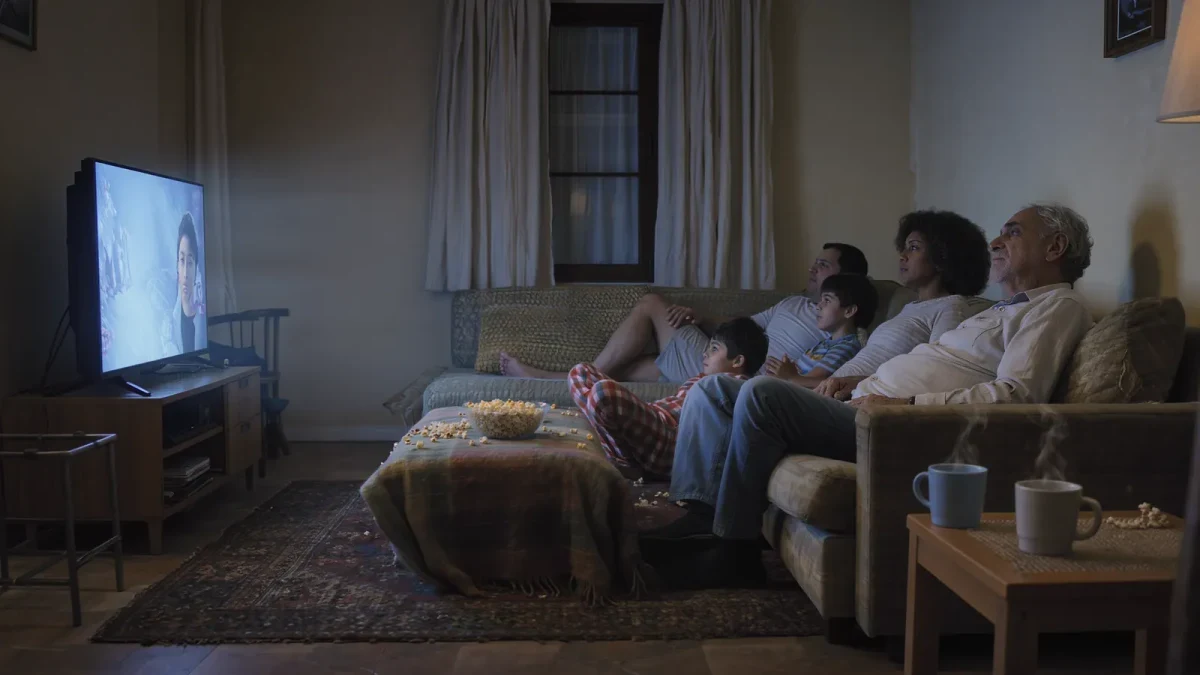
No — and for younger children it is often the smarter choice. A bathroom-and-stretch pause at the hour mark resets attention and teaches kids that movies are an activity they control, not a stream that controls them. The one caveat: pause at a scene break, not mid-action, or you will spend the break answering 'what's happening.' Some families formalize this as an intermission with popcorn refills; it turns a long film into an event instead of an endurance test.
Do longer movies mean worse attention spans?
Attention is trainable in both directions, and runtime is only one variable. Story speed matters more than story length: a fast 120-minute adventure often holds a child better than a slow 85-minute drama. Content intensity matters too — a scary 95-minute film exhausts a child faster than a calm 110-minute one. When in doubt, preview the first fifteen minutes yourself, or check whether the pacing suits your particular kid rather than their age cohort.
- Under 6: 60-85 minutes, home viewing preferred, one planned pause.
- 6-8: 90-105 minutes, matinee showtimes, trailer buffer included.
- 9-11: up to about 130 minutes with an intermission.
- 12+: full-length features; watch late finishes on school nights.
How do you find a film's runtime before buying tickets?
Every major ticketing site and theater listing shows the exact runtime next to showtimes, and it is also listed on most studio pages for current releases. Before a family theater trip, add twenty minutes for trailers to the posted runtime and check that total against bedtime. That one habit — runtime plus twenty, compared to bedtime — prevents the majority of family movie-night disasters, including the classic half-asep exit through a crowded lobby.
Finally, reframe short movies as a feature, not a limitation. The 81-minute Toy Story is a masterpiece precisely because it respects its audience. A great 90-minute film your family finishes happy beats an epic you finish frustrated — every single time.
When should you split a long movie into two nights?
Splitting is not cheating — it is smart pacing for kids whose attention runs out before the credits do. If a movie runs past two hours and your viewer is under eight, plan the split in advance instead of improvising it mid-meltdown. Pause at a natural story break: the end of a big set piece, a scene change, or the moment right after a question has been answered.
Announce the plan before you press play. "Tonight is part one, tomorrow is part two" sets expectations and builds anticipation instead of disappointment. Some families make the intermission itself a tradition — pajamas, a small snack, and a cliffhanger to argue about until tomorrow. A two-night epic often gets talked about more than a single sitting ever would.
What makes a good mid-movie break?
A break works when it resets bodies, not just screens. Five to ten minutes is plenty: a bathroom trip, a stretch, a glass of water, maybe a quick lap around the living room. Avoid opening a game or a video during the pause — pulling attention fully out of the movie makes the second half harder to sit through, not easier.
Time the break for the story's halfway lull, which in most blockbusters lands somewhere between the fifty- and seventy-minute mark. If your child asks to stop earlier, that is useful data too. Note where they checked out and pick a shorter title next time.