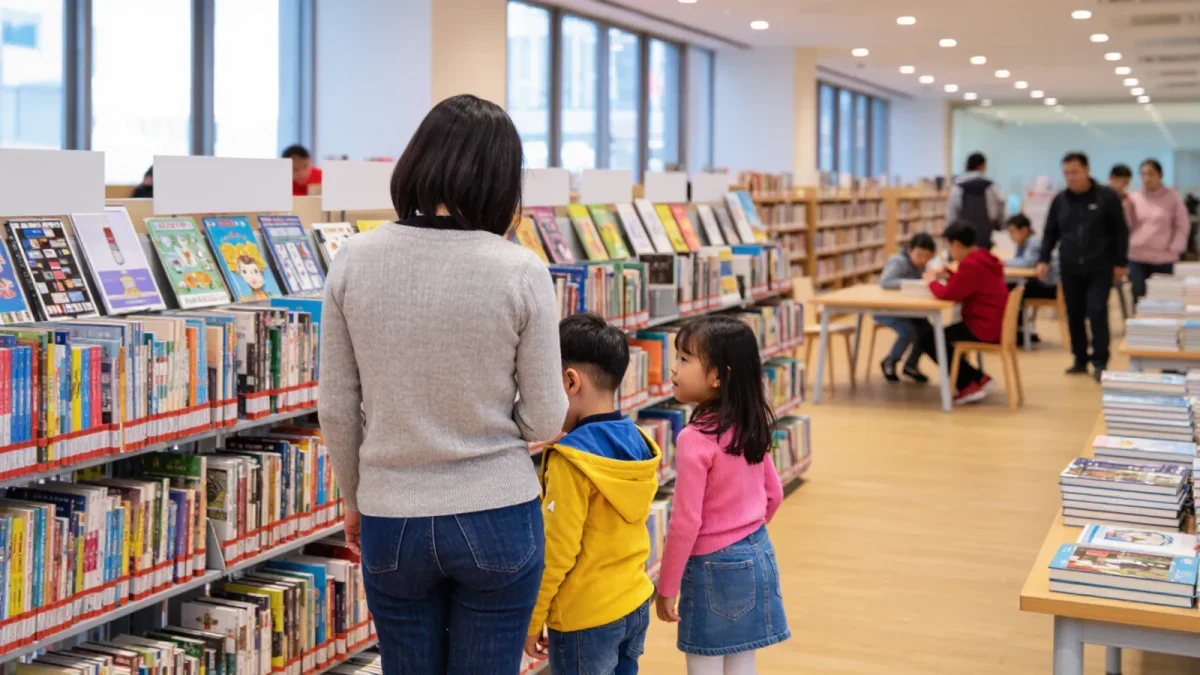
Library programs for families are the best deal in parenting, and most households use about ten percent of what their card covers. Public libraries in the United States run more than 100,000 programs for young children every month, according to the Institute of Museum and Library Services — story times, STEM clubs, summer reading games, teen maker labs — and nearly all of it is free with a library card, which is also free.
What programs do libraries run for babies and preschoolers?
Story time is the flagship, and it is more engineered than it looks. Librarians model early-literacy practices — repetition, rhythm, dialogic reading — that parents can borrow at home. Beyond the classic lapsit story hour, most systems offer:
- Baby and toddler rhyme times with songs, bounces and board books.
- Bilingual story times in Spanish, Mandarin, Somali and other community languages, depending on your area.
- Play-and-learn corners with blocks, puzzles and pretend kitchens.
- 1000 Books Before Kindergarten challenges — a national movement most branches now host, where families log read-alouds toward a milestone.
What is available for school-age kids?
Once kids hit elementary school, libraries quietly become an after-school multitool. Typical offerings include homework help and tutoring sessions, coding and robotics clubs, Lego build hours, book clubs by grade, craft drop-ins and summer lunch partnerships in some districts. Many branches add "read to a dog" sessions, where reluctant readers read aloud to certified therapy dogs — a consistently popular program because the audience never corrects pronunciation.
How does summer reading work?
Summer reading programs are the single biggest family event on the library calendar, usually kicking off right after school ends. The format is consistent nationally: kids track minutes or books, earn prizes or raffle entries and attend themed events through July. The stakes are real — students who do not read over summer lose measurable ground, a pattern teachers call summer slide, and public-library programs are a free counterweight that requires no tutoring budget. Signing up takes five minutes and the tracking sheet lives on the fridge.
What non-book items can families borrow?
This is where jaws drop. Depending on the system, library cards can unlock:
| Borrowable | Common at | Why it matters |
|---|---|---|
| Museum and zoo passes | Many US systems | Free family admission to partner institutions |
| Seed libraries | Suburban and rural branches | Free vegetable and flower seeds by season |
| Instruments and telescopes | Selected systems | Try-before-you-buy for pricey gear |
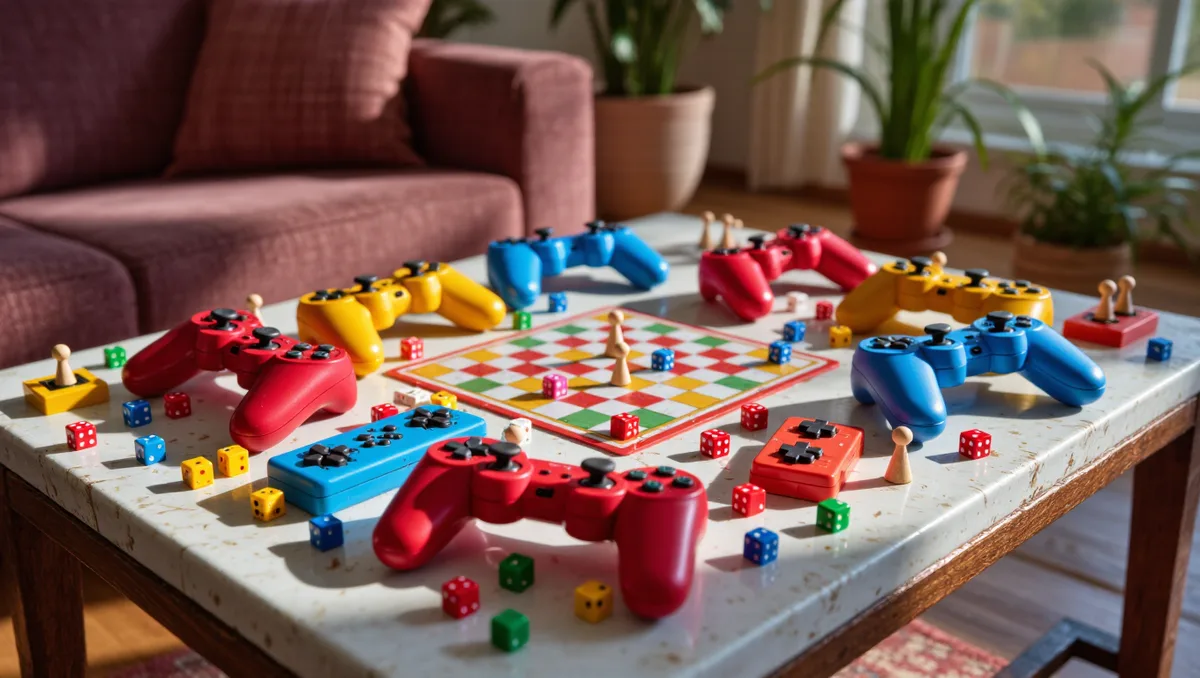
| Board games and puzzles | Widely | Rotation without storage wars |
| Wi-Fi hotspots and laptops | Urban systems | Connectivity for homework and job searches |
| Ebooks and audiobooks | Virtually all | Instant downloads via free apps with a card |
How do you actually get started?
Get a card for every family member, including babies — most systems issue cards from birth, and kids who choose their own books read more. Then do three things in the first month: grab a printed program calendar or bookmark the online events page, put two recurring programs in your weekly schedule, and ask at the desk about passes and equipment loans, which are rarely advertised on shelves. Reference librarians answer questions like this all day and are startlingly pleased to do it.
What if your schedule never matches the schedule?
Digital collections run 24/7. With a card, families can stream audiobooks for car rides, download ebooks for bedtime and use free homework databases that cost money anywhere else. Many libraries also record virtual story times, so a missed Tuesday does not mean missing out.
How do you make the library a weekly habit?
Anchor it to an existing slot: toddler story time after the Saturday grocery run, a Tuesday-after-school stop that replaces the vending machine, a Sunday browse while laundry runs. Give each child their own book bag that lives by the door, and set a household return basket so due dates stop generating suspense. Kids choose better with limits that expand with responsibility — three books at three, five at five, and negotiate upward from there.
Talk to the children's librarian by name and let your kids see you doing it. Librarians are matchmakers with a professional degree in it, and a child who asks for "a book like the last one" is learning a research skill most adults never develop.
What does the library offer teens?
Quite a lot, and teens use it more privately. High schoolers get quiet study rooms, test prep databases, college and financial aid resources, volunteer hours that count toward graduation requirements, teen advisory boards with real influence over collections, and maker equipment from 3D printers to sewing machines at many branches. For a teenager, the library is one of the only free public places where hanging out is the point rather than a problem, which makes it a rare and valuable territory.
The habit compounds. Families who treat the library as a weekly stop — the way they treat the grocery store — rack up hundreds of dollars in avoided book costs, a steady stream of weekend plans and kids who grow up thinking unlimited books is normal. Which, thanks to a public library card, it is.