A first live theater show with kids is one of those milestones parents remember longer than the children do. The trick is matching the production to the kid, not the other way around. Run time, volume, story familiarity and start time matter more than reviews — a perfectly mediocre puppet musical at the right hour beats a brilliant three-hour drama at bedtime.
When is a child ready for live theater?
Readiness is about attention and stamina, not a birthday. Most children can enjoy a 45- to 60-minute production around age four or five, especially when the story is already familiar from books at home. Many theaters set a minimum age — commonly three or four — and "sensory-friendly" performances have become standard offerings for children who find darkness, loud sound or sudden movement difficult.
How do you choose the right show?
Use this checklist before buying tickets:
- Run time. Under an hour for first-timers under six; intermission counts as a bonus escape hatch.
- Familiarity. A story your child already knows lowers the processing load dramatically.
- Volume. Check reviews for sudden loud effects; ask the box office if the show has startling moments.
- Format. Puppetry, musicals and interactive shows forgive wandering attention; plot-heavy dramas do not.
- Start time. Matinees win. A 10:30 a.m. Saturday show works with naps and dinners.
- Venue size. Small community theaters are cheaper, closer to the stage and easier to exit quickly.
How much stamina should you plan for?
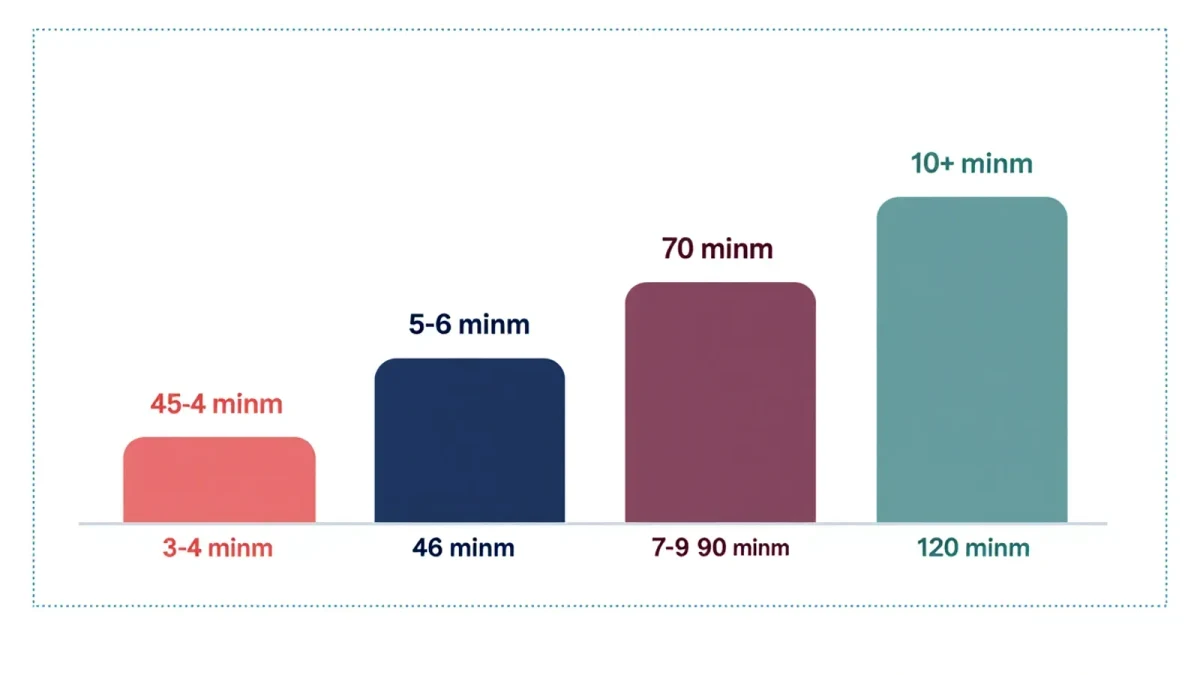
A useful rule of thumb from family-theater programmers: one hour of seated show per five years of age is a comfortable ceiling. The chart below shows how typical expectations scale.
| Age | Comfortable run time | Best formats |
|---|---|---|
| 3–4 | 30–45 min | Puppet shows, toddler theater, interactive story plays |
| 5–6 | 45–70 min | Fairy-tale musicals, one-acts |
| 7–9 | 60–90 min | Full musicals with intermission |
| 10+ | 90+ min | Dramas, Shakespeare adaptations, opera for kids |
What theater etiquette should you teach beforehand?
Cover the basics at breakfast, not in the lobby:
- We stay in our seat; if we truly need to leave, we whisper and an adult takes us out.
- We clap when the audience claps — laughing out loud is allowed and encouraged.
- Phones stay in the pocket; theaters forbid photos and recording during the show.
- We do not kick the seat in front of us, even during boring songs.
Rehearse the whisper. Seriously — one round of "quiet mouse practice" in the car saves fifty shushes later.
What should you bring and where should you sit?
Pack small: water in a closed bottle, a small quiet snack for emergencies (check venue policy), a sweater because theaters run cold, and tissues for loud emotional finales. Sit near an aisle and near the back on the first try — the exit is your friend, and little kids often see better from a slight distance than from the front row, where the stage tower looms.
Arrive thirty to forty minutes early to find parking, use the bathroom twice and explore the lobby without rushing. The theater itself — gold paint, red curtains, giant light board — is half the experience.
What if your child talks, fusses or needs to leave?
It is fine, and every ushers' corps on Earth has seen worse. Quietly walk your child to the lobby, decompress, and return if possible. House staff consistently recommend planning the exit route at seating time so the walk-out is calm instead of a fifteen-person standing excavation. Do not hiss apologies to the row — parents dragging kids to culture is exactly what theaters want; the field trip audience of today is the subscription audience of 2040.
How do you make the night stick?
Afterward, keep it concrete: which character was funniest, which costume you would steal, what the set was made of. If programs are available, take one home for the keepsake box. Many children spin a single show into weeks of living-room theater — clear the coffee table and let the run extend.
How much do family theater tickets usually cost?
Prices range from free library and park productions to $15 to $40 a seat at professional children's theaters, with Broadway-scale tours running far higher. For a first show, spend as little as possible: community theaters, school drama-program fundraisers, puppet companies and library performance series regularly deliver full theatrical magic for pocket change, and the stakes stay low if the night goes sideways.
Two money habits pay off. First, buy at the box office or through the theater's own site rather than resellers, which keeps costs honest. Second, check age discounts — many venues price children's tickets lower and lap infants free at designated family shows.
How do you build excitement before the curtain?
Read the story beforehand if it is based on a book, play two songs from the cast album in the car, and watch a short trailer together. Talk up the rituals: the ticket taker, the program, the lights dimming. Kids who know what happens next spend their attention on the how — the costumes, the puppets, the actor playing three characters — which is exactly where the wonder lives.
And if show one goes sideways, wait a month and try a different format. Live theater is a habit, not a test. Families who treat it as an ordinary Saturday activity — the way they treat the playground — tend to end up with kids who ask to go back.