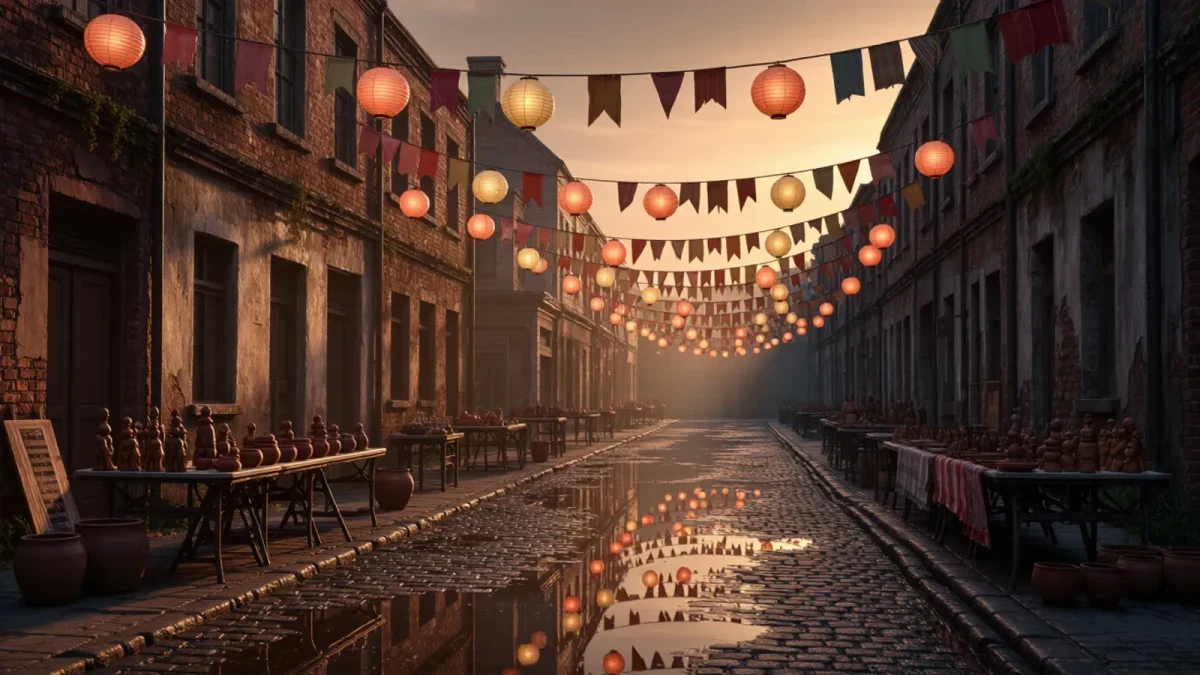
Building a cultural festivals family calendar is the easiest way to give your kids the world without boarding a plane. Nearly every community hosts a rotating slate of festivals through the year — food, film, folk, light, harvest, music — and most are free or cheap, outdoors and famously kid-tolerant. This guide maps the season so you can plan months ahead instead of finding out about the lantern festival the day after it happened.
Why plan festivals by season?
Festivals track the calendar of the earth: planting, blooming, harvest and the return of light. UNESCO's intangible cultural heritage lists — which include hundreds of festival traditions from dragon boat racing to carnival arts — reflect how deeply these celebrations are tied to seasonal rhythms. When you plan with the seasons, you always have a next event on deck, and kids start to read the year as a story rather than a school grid.
What festival types happen in spring?
Spring is the season of renewal celebrations, and it is the friendliest weather window of the year:
- Nowruz and lunar new year events — often in late winter or early spring, with food, music and craft markets that welcome children.
- Holi-style color celebrations — many cities run family hours with gentler powder throwing; wear clothes you have already mourned.
- Easter-season and Passover public events — egg hunts, community meals and craft workshops at libraries and cultural centers.
- Cherry blossom festivals — picnics, performances and the single best photo backdrop of the year.
- Film festivals with family sidebars — spring programs commonly add shorts collections for young viewers.
What should families target in summer?
Summer is peak season, which means choice and crowds in equal measure:
| Festival type | Typical features | Family strategy |
|---|---|---|
| Folk and heritage festivals | Dance, crafts, food stalls | Arrive at opening; leave before the 2 p.m. heat |
| Music festivals | Multi-stage, all-day | Pick one family day with a kids' area |
| Dragon boat and water events | Races, riverside picnics | Shade, water toys, watch from upstream of crowds |
| Street and neighborhood fairs | Local food, parades | Free, flexible — go early evening instead of noon |
| Indigenous powwows (public) | Drumming, dance, food | Check posted etiquette; many welcome respectful visitors |
What does fall offer?
Autumn belongs to harvest. Apple and pumpkin festivals, Oktoberfest-style family days, Dia de los Muertos observances with community altars and marigold crafts, Diwali celebrations with lamps and sweets, and mid-autumn moon festivals with lantern-making for kids. Fall events cluster in late afternoon and evening, which suits school schedules — a Wednesday-evening lantern walk is a workable weekday adventure.
What about winter?
Winter is festival season in disguise. Holiday markets, lantern festivals, winter solstice events, Lunar New Year parades and light installations turn the darkest months into the brightest ones. Dress in layers, plan for a hot drink and keep outdoor stays to about an hour for small children — lights look exactly as magical from inside a warm vestibule as at the far end of the path.
How do you find out what is happening near you?
Use a three-source check a month ahead: your city or county events calendar, the websites of museums and cultural centers in range, and library bulletin boards (librarians know the community calendar cold). Tourism boards maintain festival lists even for locals. Then set two calendar reminders: one a month out for tickets, one three days out for logistics like parking and weather.
How do you make festivals work with little kids?
Four habits cover almost everything. Go for the first hour, when energy and parking are both plentiful. Bring noise-canceling headphones for drum-heavy events. Set a meeting spot and write your phone number on a wristband for wanderers. And give each child one job — pick the snack, choose the craft, lead the lantern walk — because participation beats observation at every age.
What should you bring to a festival with kids?
The festival kit is short and non-negotiable: water bottles, sunscreen, hats, wipes, noise-canceling headphones for drum and amplifier events, a small blanket, and cash for the two or three food stalls that do not take cards. Dress children in bright, easy-to-spot colors and tuck a card with your phone number into a pocket or shoe for the wanderers. Layers matter more than fashion — festival weather changes on its own schedule.
Plan the exit before you arrive. Decide your outside limit — two hours is a solid family maximum — and leave at the first sign of the screen-glaze, the whine or the seventh request for one more thing.
How do you talk about culture at a festival?
Name the origin out loud and keep it light: "This dance is from a tradition hundreds of years old — what do you think the moves are telling?" Let food do half the teaching; a curious bite of something new respects the culture more than a lecture about it. At home, follow up with one library book about the festival's country or tradition, and the weekend becomes a unit of cultural education that cost you a few tickets and a plate of dumplings.
Aim for one cultural festival a month as a household rhythm. Over a year that is a dozen traditions, a dozen cuisines and a dozen rounds of "when can we do that again?" — which is exactly what a living cultural education sounds like.