Celebration traditions around the world are the world's best parenting resource: ready-made rituals with food, color and meaning attached. Borrowing a tradition from another culture is a gentle way to teach children that people everywhere mark the same milestones — birth, growth, harvest, light — with wonderfully different flavors. The only rules are curiosity and respect: learn the real story first, then adapt it honestly.
Why teach kids traditions from other cultures?
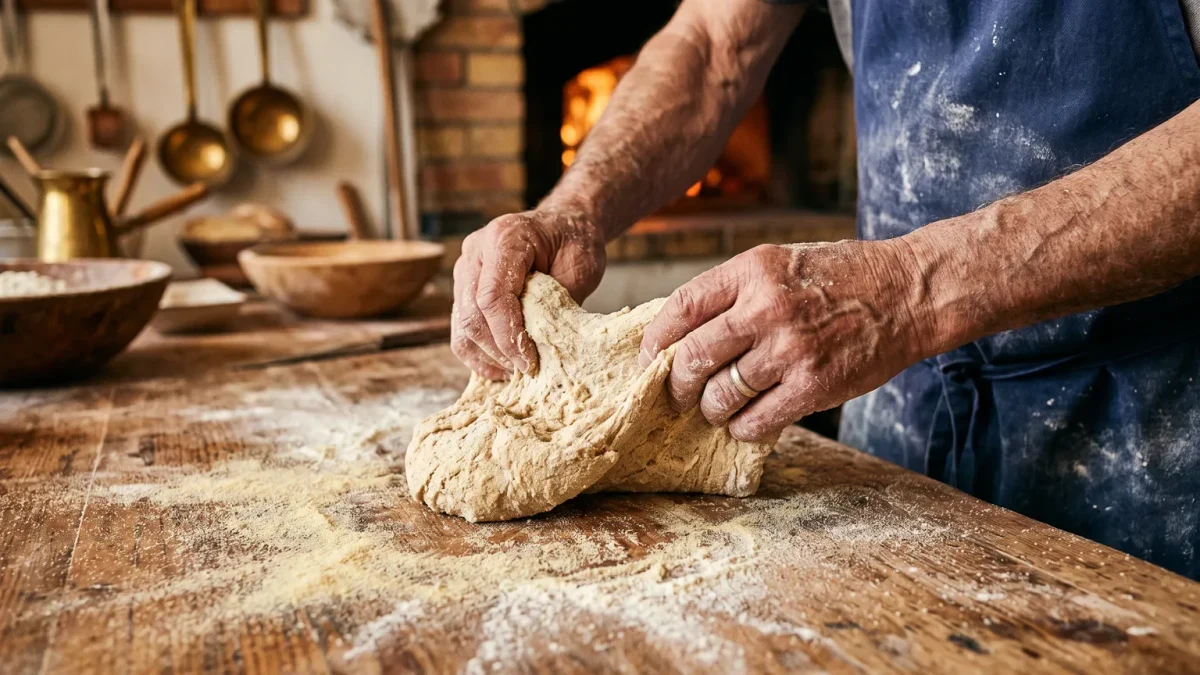
Because celebration is the friendliest door into geography, history and religion alike. A child who has rolled dough for mooncakes or hunted for a hidden flatbread at Nowruz remembers the culture behind it far better than from any worksheet. UNICEF and education researchers alike emphasize intercultural understanding as a core life skill, and the dinner table is where it starts. One tradition per season is a sustainable pace — four a year, twelve by the time a toddler reaches kindergarten.
Which light-based traditions can families borrow?
Light celebrations are the easiest entry point because children love candles and lamps, full stop:
- Diwali — the Hindu festival of lights, with diyas (small oil lamps), rangoli patterns drawn in colored powder or rice at the entrance, and sweets. Family version: paper lanterns, salt-dough lamps and a sweets-baking afternoon.
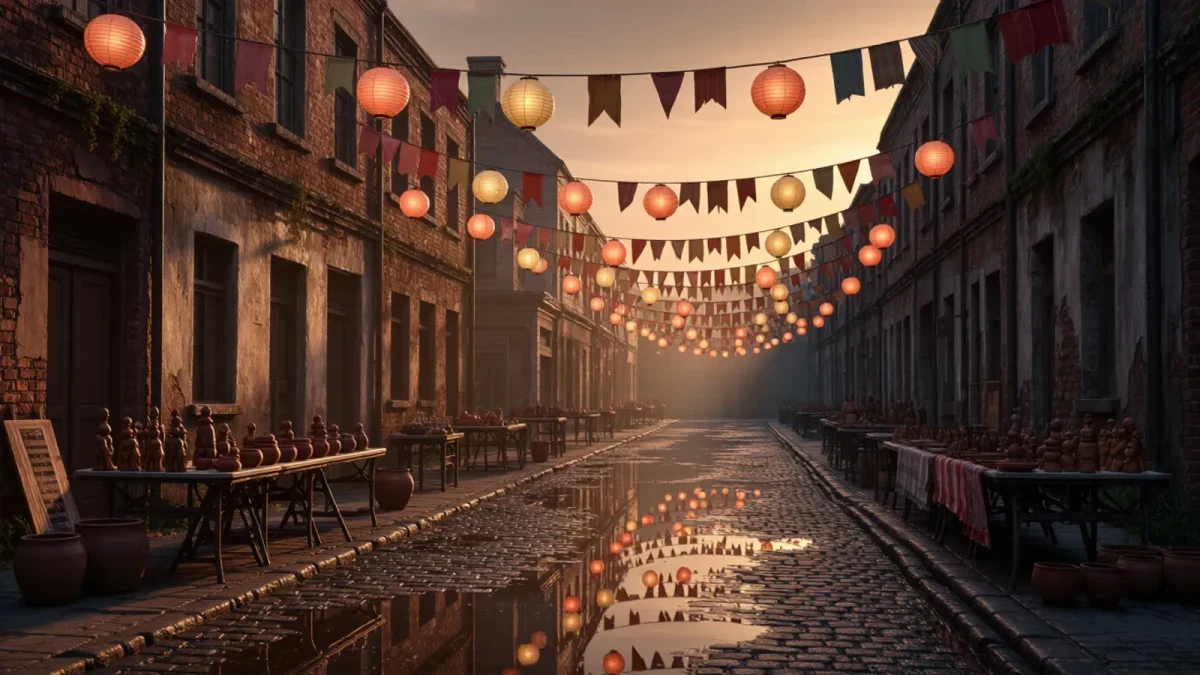
- Lantern Festival — closing the lunar new year period in China and beyond, with red lanterns, riddles and tangyuan (sweet rice balls). Family version: jar lanterns with battery teas lights and a riddle hunt.
- St. Lucia Day — December 13 in Scandinavian countries, processions and saffron buns led by a girl wearing a crown of candles. Family version: buns (or cinnamon rolls in a pinch) and paper crowns with foil flames.
- Hanukkah — the Jewish festival of lights, eight nights of candles, latkes and dreidel games that outsiders can respectfully learn about, ideally with Jewish friends or community events.
Which new-year traditions work at home?
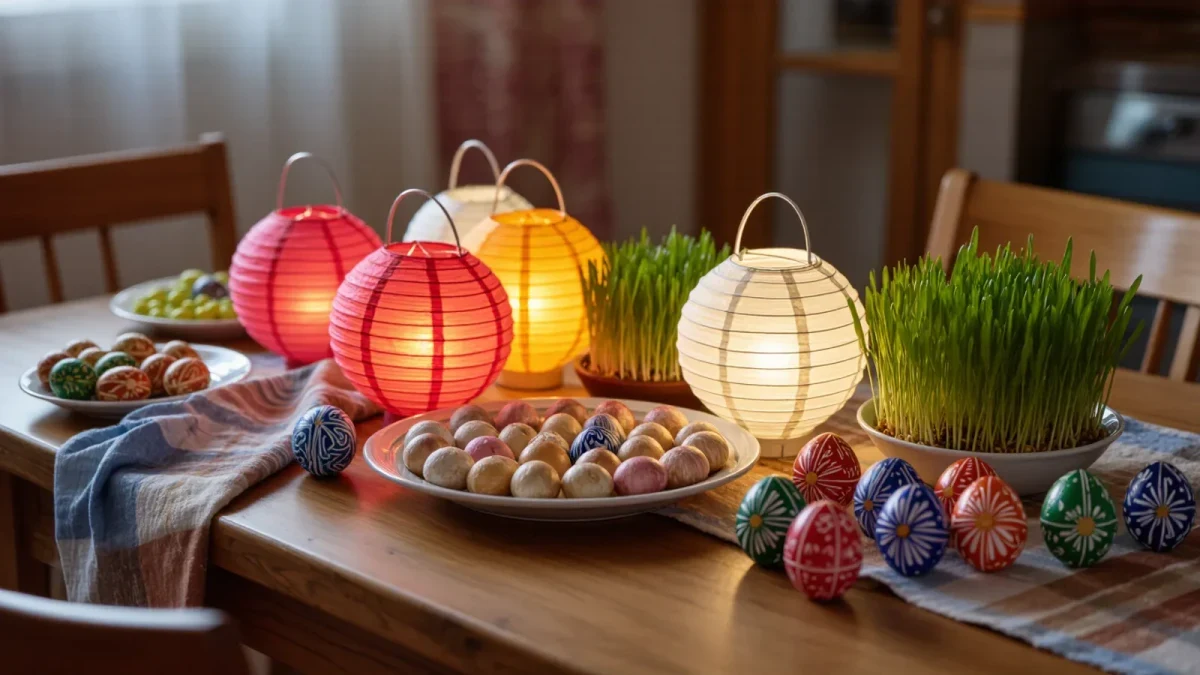
New-year customs are compact and craft-friendly. Nowruz, the Persian new year at the spring equinox, sets a haft-sin table with seven symbolic items starting with the letter S — sprouts, apples, garlic and more — plus goldfish and painted eggs; children love assembling it and jumping over small bonfires is the outdoor highlight where practiced. In Spain and much of Latin America, eating twelve grapes at midnight, one per chime, is a joyfully chaotic tradition kids can rehearse at 7 p.m. In Japan, families eat toshikoshi soba noodles before midnight for long life and watch the first sunrise of the year.
What growth and gratitude traditions are worth copying?
Not every borrowed ritual needs a festival. Some of the warmest traditions worldwide mark ordinary growth:
| Tradition | Origin | Family adaptation |
|---|---|---|
| Name days | Widely observed in Greece, Hungary, Poland and beyond | Celebrate the day of the name a child is named for, with cake and a small toast |
| Turning of the year letters | Various, incl. Japanese nengajo New Year cards | Everyone writes a letter to open next year |
| First-day-of-school cones | Schultüte in Germany | A decorated cone of school supplies and treats on day one |
| Sunday family tea | British afternoon tea customs | Weekly treats table with everyone's favorite pastry |
| Gratitude at meals | Many cultures' pre-meal customs | One good thing from today, said before eating |
How do you borrow respectfully?
Four habits keep it right. Learn from sources created by people inside the tradition — books by own-voices authors, local cultural centers, museum educators. Keep the meaning attached to the activity; a lantern without its story is just a jar. Distinguish participating from observing: public festivals usually welcome guests, while religious rituals may be family- or community-specific. And credit the origin out loud — "this is how families in Mexico celebrate" teaches more than the craft itself.
What harvest and food traditions can families try?
Autumn offers the tastiest teaching moments. For Dia de los Muertos, families of Mexican heritage build ofrendas with photos, marigolds and favorite foods to honor the memory of loved ones; public workshops in many cities teach sugar-skull decorating and pan de muerto baking that newcomers can attend as guests. The mid-autumn moon festival brings lanterns and mooncakes shared under the full moon, with the legend of the moon goddess to retell. Harvest festivals across Europe and West Africa — like Ghana's homowo, which marks the end of hunger with a ceremonial meal — round out the season's lessons in gratitude.
In winter, bake a three kings cake for Epiphany, when families in France, Spain, Mexico and beyond hide a small figurine in the dough and crown whoever finds it — a five-ingredient lesson in holiday geography.
How do you explain a tradition's meaning to kids?
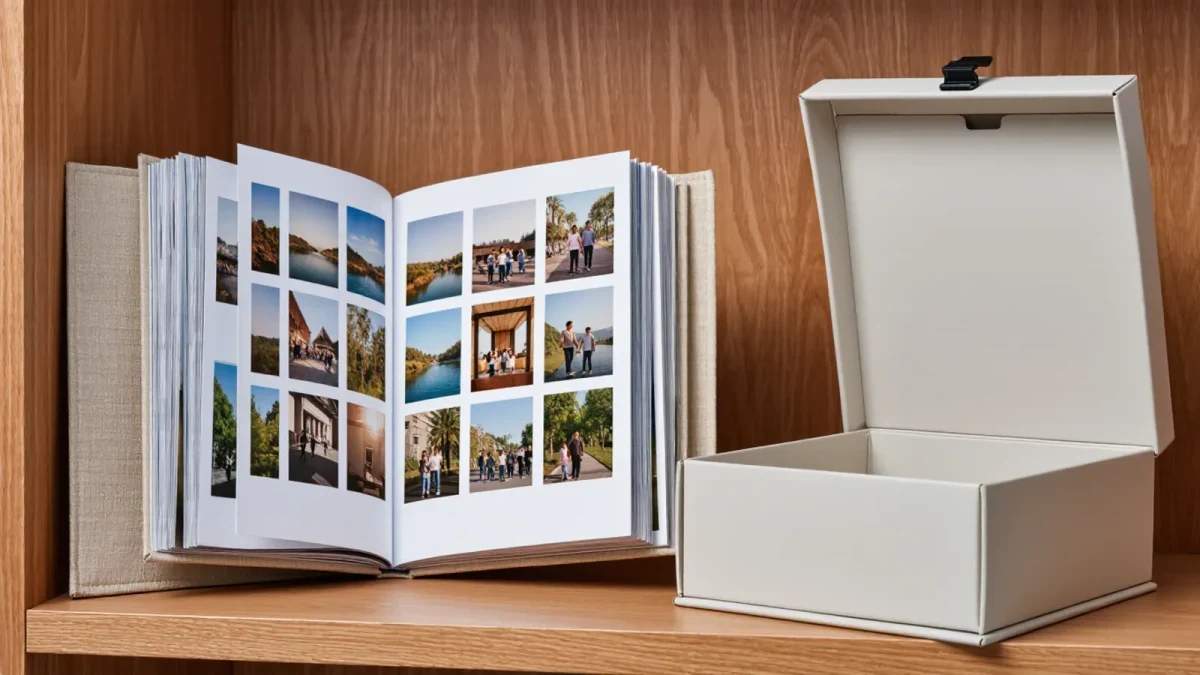
Use the one-sentence rule: before any craft or recipe, offer the story in a single plain sentence — "these lamps mean light winning over dark." Then let the doing carry the depth. Children integrate meaning through their hands and taste buds far better than through explanations, and the follow-up questions will come at bedtime, when they actually land. Keep a tradition journal afterward: one page per borrowed celebration with a photo, the country of origin and each family member's one-line verdict.
How do you start this weekend?
Pick the nearest seasonal tradition, get one book about it from the library, cook or craft one element and ask your kids what they would keep. Children are ruthless editors of rituals: the ones they ask to repeat are the ones that survive. Over a few years your family ends up with a hybrid calendar — your holidays plus a borrowed handful — which is exactly how living traditions have always grown.