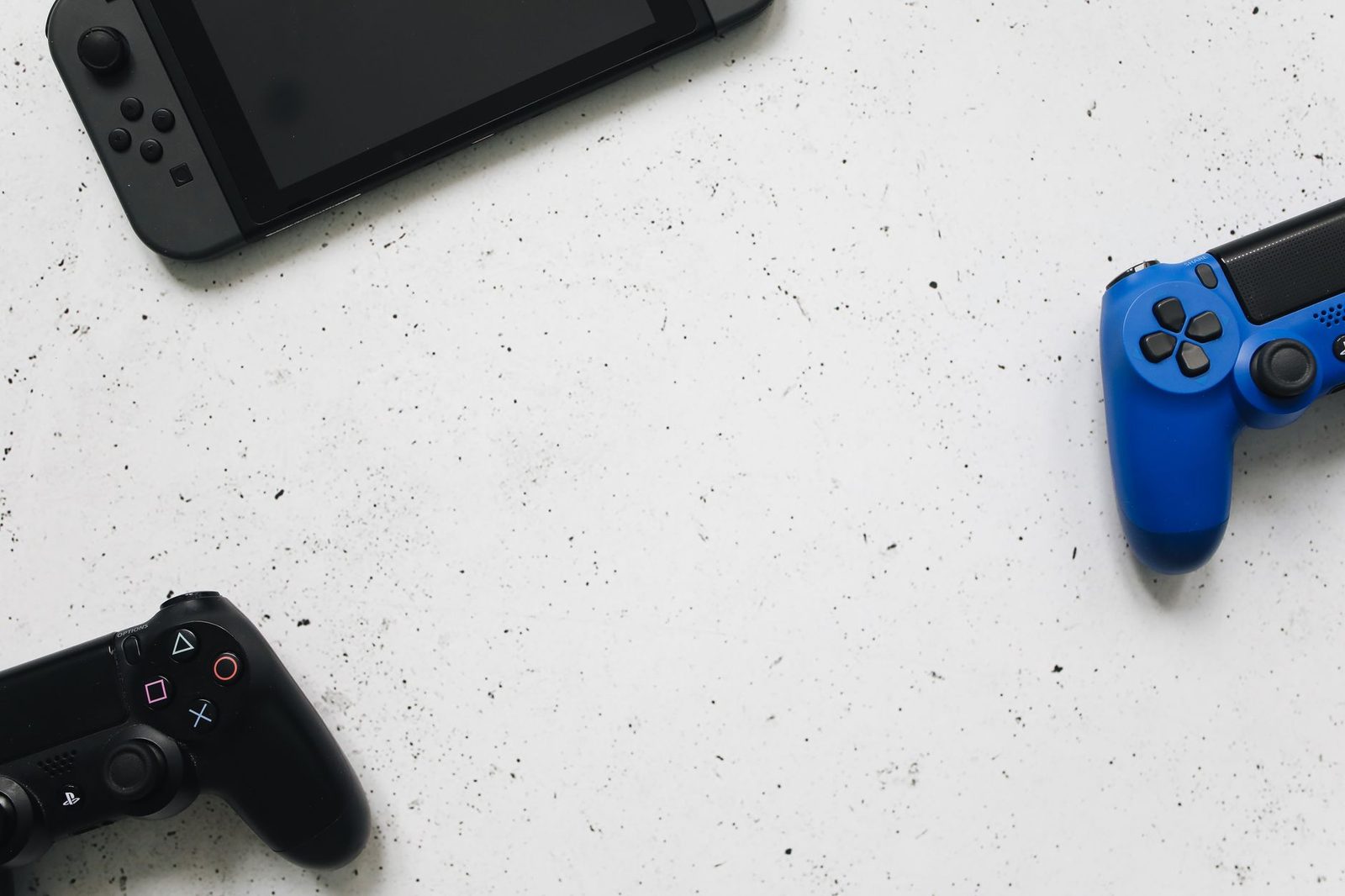
Picking a gaming platform feels harder than it should be. Every option promises the best experience. Every forum thread turns into a debate. But your gaming platform choice really comes down to a few practical questions: what do you want to play, how much do you want to spend, and how much control do you want over your setup.
There is no single right answer here. A PC gamer chasing frame rates has different needs than someone who just wants to relax with a controller after work. Fighting game fans, in particular, often have strong opinions shaped by tournament scenes and input lag debates. This guide breaks down performance, game libraries, cost, and exclusive titles across PC, PlayStation, Xbox, and Nintendo, so you can match the platform to your actual habits instead of the hype.
By the end, you should have a clear sense of which direction fits your budget, your favorite genres, and how much tinkering you enjoy. Let's get into it.
Performance: Raw Power vs Consistent Experience
Performance is usually the first thing people argue about. A gaming PC, when built well, can outrun any console. Higher frame rates, sharper resolutions, and faster load times are all possible if you buy the right parts. You can also upgrade piece by piece instead of buying a whole new machine every few years.
But that power comes with a catch. PC performance depends on your hardware, your settings, and sometimes your patience with troubleshooting. Two people with the same game can have very different experiences if their computers are not built the same way.
Consoles take a different approach. PlayStation, Xbox, and Nintendo systems are fixed hardware. Every player with the same console gets the same experience. Developers optimize their games for that one setup, which often means smoother performance right out of the box, even if the raw power is lower than a high-end PC.
This matters a lot for competitive gaming. In fighting games especially, consistency matters more than flashy graphics. A steady frame rate and predictable input response can matter more than having the highest-end graphics card. That's part of why so many tournament setups still lean on consoles or purpose-built arcade sticks rather than gaming laptops.
If you care most about squeezing out every drop of performance and don't mind spending time on setup, PC wins. If you want something that just works the same way every time, consoles have the edge.
Game Libraries and Exclusive Titles
This is where your gaming platform choice often gets personal. Every platform has games you simply cannot get anywhere else, and those exclusives shape a lot of buying decisions.
PlayStation has built a strong reputation around story-driven single-player games. If you enjoy games with movie-like drama and rich characters, PlayStation exclusives are usually where the buzz lands each year.
Xbox has leaned into service-based gaming. Its subscription model bundles a large library of games for one monthly fee, which appeals to players who like trying lots of different titles instead of buying each one individually.
Nintendo plays a different game entirely. Its exclusives are built around inventive gameplay and family-friendly design. You won't find realistic graphics here, but you will find some of the most creative game design in the industry. Nintendo also holds a unique spot for local multiplayer, since many of its titles shine best with friends on the couch.
PC gaming has a different kind of exclusivity. Instead of one company controlling releases, PC benefits from an enormous back catalog, indie experimentation, and modding communities that can extend a game's life for years. Many competitive and niche genre fans, including fighting game communities, gravitate toward PC because of custom controls and modding support.
If you want big cinematic single-player games, PlayStation and Xbox libraries are strong. If you want variety of quirky indie titles or classic strategy games, PC is hard to beat. If family-friendly creativity is your thing, Nintendo stands alone.
Cost: Upfront Price vs Long-Term Spending

Cost is where a lot of people get surprised. Consoles usually look cheaper upfront. You buy the machine, plug it in, and start playing. PCs can cost more initially, especially if you want strong performance.
But the long-term math shifts depending on habits. PC games often go on sale more aggressively and more often than console titles. Digital storefronts run frequent discounts, and older PC games can become extremely cheap over time.
Consoles also come with subscription costs for online play, which adds up over several years. PC gaming typically does not require a subscription just to play online with friends, though certain launchers and services may still charge for extras.
Another cost factor is longevity. A console usually stays relevant for its full console generation, roughly five to seven years, before a new one replaces it. A PC can be upgraded gradually, spreading costs out over time instead of paying for a full new system all at once.
If you want predictable spending and don't want to think about upgrades, consoles are simpler. If you don't mind occasional investment in exchange for long-term flexibility, PC can even out over the years.
Comfort, Setup, and Everyday Use
Beyond specs and libraries, day-to-day comfort matters more than people expect. Consoles are built for simplicity. You turn it on, sit on the couch, and play. There is very little setup involved, which makes it an easy option for casual sessions or shared households.
PC gaming often means sitting at a desk, though more players are now connecting PCs to TVs for a console-like feel. This flexibility is a real advantage, but it does require more effort to set up correctly.
Controller preference plays a role too. Console controllers are standardized and consistent. PC gaming allows more customization, including mechanical keyboards, specialty controllers, and fight sticks favored by competitive players. If you're curious about how genre habits shape these preferences, it connects closely with what we cover in the broader gaming genre landscape, since certain genres naturally favor certain control setups.
Accessibility is another factor worth mentioning. Platforms have made real strides in accessible design, including customizable controls and visual aids. If accessibility needs are part of your decision, checking resources like official accessibility guidelines can help you understand what features to look for across devices.
Practical Steps: How to Match the Platform to Your Habits
Instead of asking "which platform is best," it helps to ask which platform fits your life. Here are some practical steps to guide your gaming platform choice:
- List the three games you want to play most. Check which platforms support them.
- Decide if you prefer simplicity or customization. Consoles offer ease; PC offers control.
- Set a realistic budget, including subscriptions and future upgrades, not just the upfront price.
- Think about where you'll play. Desk setups favor PC; living room setups favor consoles.
- Consider your social circle. If friends are on a certain platform, multiplayer is easier there.
Our analysis suggests most casual players are happiest with a console because of its simplicity and steady performance. Competitive players, especially those drawn to fighting games or esports, often benefit from PC's customization, even if it takes more effort to set up. Families usually find the most value in Nintendo's approach, especially for shared, local multiplayer sessions.
None of these paths are wrong. What matters is matching the platform to your actual play style, not chasing whichever system is loudest online.
Conclusion
There is no universal winner in the PC versus console debate. Your gaming platform choice should depend on the games you love, the budget you're comfortable with, and how much effort you want to put into your setup. PC offers power and flexibility. Consoles offer simplicity and consistency. Nintendo offers something entirely its own. The best platform is the one that fits how you actually want to play, not the one with the loudest fans online.